

Handling Transport Disputes: What to Do When Your Deposit is at Stake
When you're involved in road transport, whether as a shipper, carrier, or consignee, disputes can sometimes arise, putting your deposit or the value of your goods at risk. From delays to damages, these issues are common, but how should one navigate them effectively? Understanding the legal framework and knowing your rights are the first steps towards a resolution.
Understanding the Legal Framework
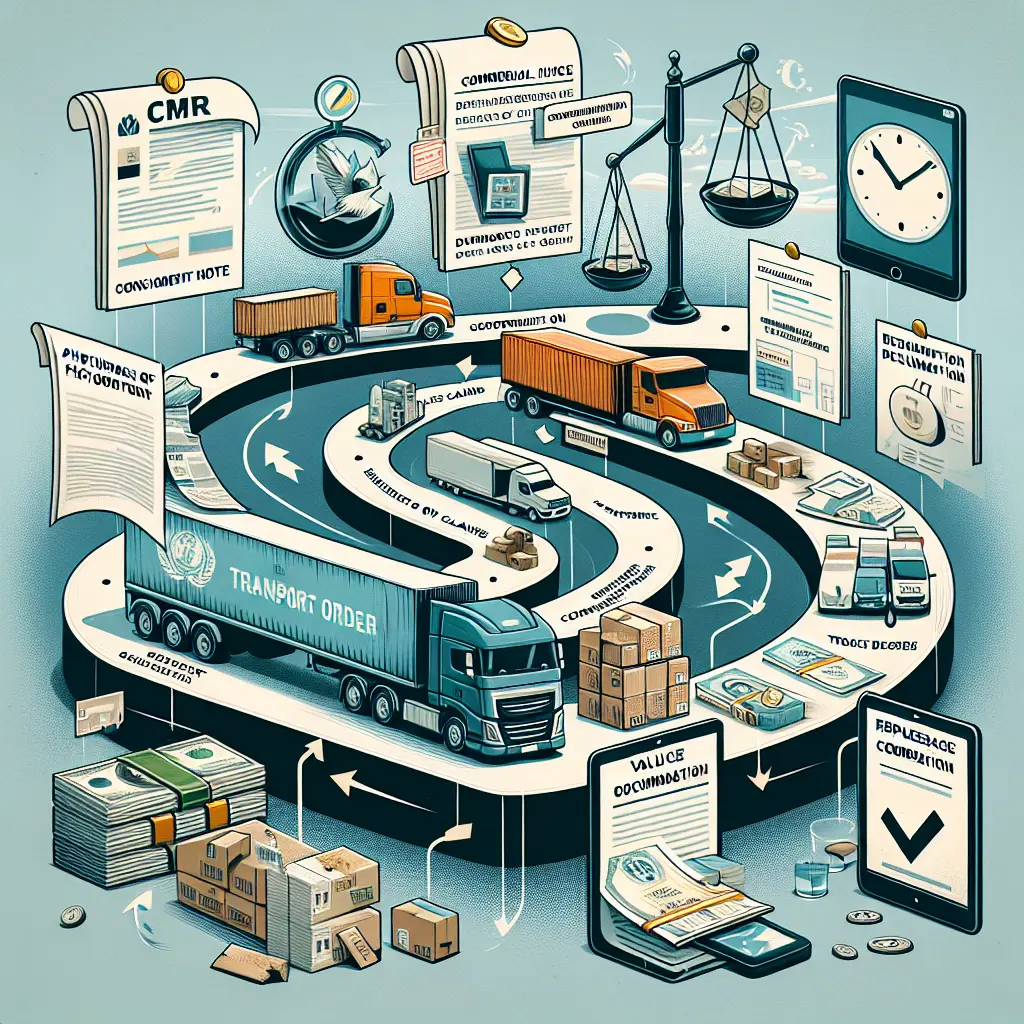
The CMR Convention (Convention on the Contract for the International Carriage of Goods by Road) is a cornerstone for international road transport laws. Ratified in 1956, it outlines the obligations and rights of carriers, shippers, and consignees. [Learn more about the CMR Convention](#) by exploring authoritative legal sources.
Key Provisions of the CMR Convention
- Payment and Delivery: Consignees are responsible for transport costs; carriers may refuse delivery without full payment.
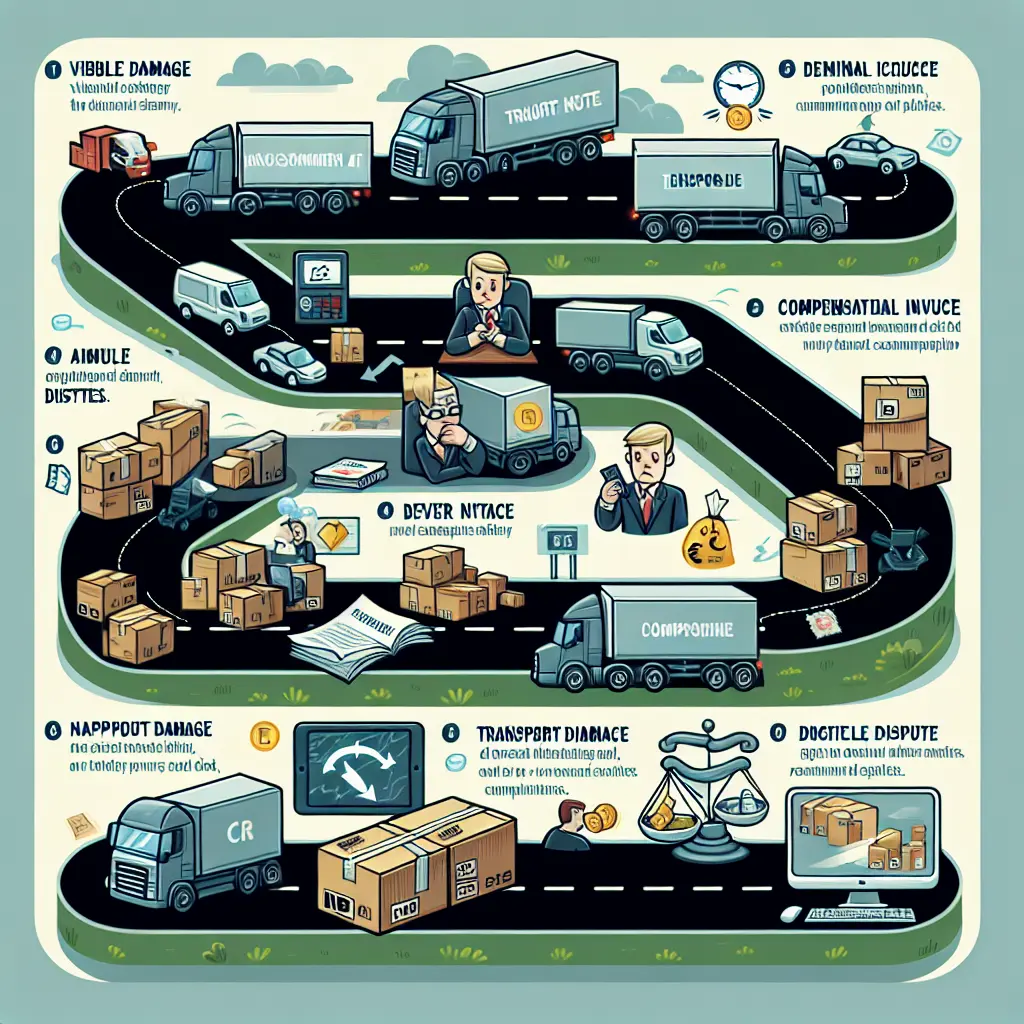
- Damage and Loss: Consignees should make visible damage reservations upon delivery. Non-apparent damages are reserved within 7 days.
- Delays: Reserve late delivery claims within 21 days. This timeframe is critical to maintaining your rights under the CMR Convention.

Essential Documents for Dispute Resolution
Handling a dispute effectively hinges on the documentation. Key documents include:
- CMR or Consignment Note
- Photographs as evidence of the condition of goods
- Commercial Invoice to establish the value of goods
- Transport Order outlining specific transport conditions
- Description of the claim's nature and conditions
- Evidence detailing goods' weight assisting in compensation calculations
- Locations for potential goods inspection
- Contact information for all involved parties
Having these documents accessible can significantly bolster your case in case of a dispute.
Calculating Compensation
Compensation for Damaged or Lost Goods
For goods below 3 tonnes, compensation could peak at €33 per kg of gross weight, up to €1000 per lost/damaged package. Above this weight, the maximum reimbursement is €20 per kg. Understanding these limits can help strategize your claim proceedings effectively.
Compensation for Delays
The compensation for delays is typically bounded by the transport cost, further emphasizing the importance of the service terms chosen initially. Consider this when adjudicating disputes of this nature.
Using Electronic Documentation to Streamline Disputes
Implementing electronic documentation, such as the electronic Consignment Note (eCMR), can expedite handling disputes. Here are a few advantages:
- Hastens the transmission of reservations and supporting evidence.
- Minimizes errors previously common with paper documents.
These digital advantages can make a significant impact on your dispute's resolution timeline.
Declaration of Value or Special Interest
If the standard compensation limits do not suffice, consider making a declaration of value. This can raise your compensation ceiling, proving invaluable if your goods' value surpasses typical reimbursement limits.
Steps to Handle a Dispute
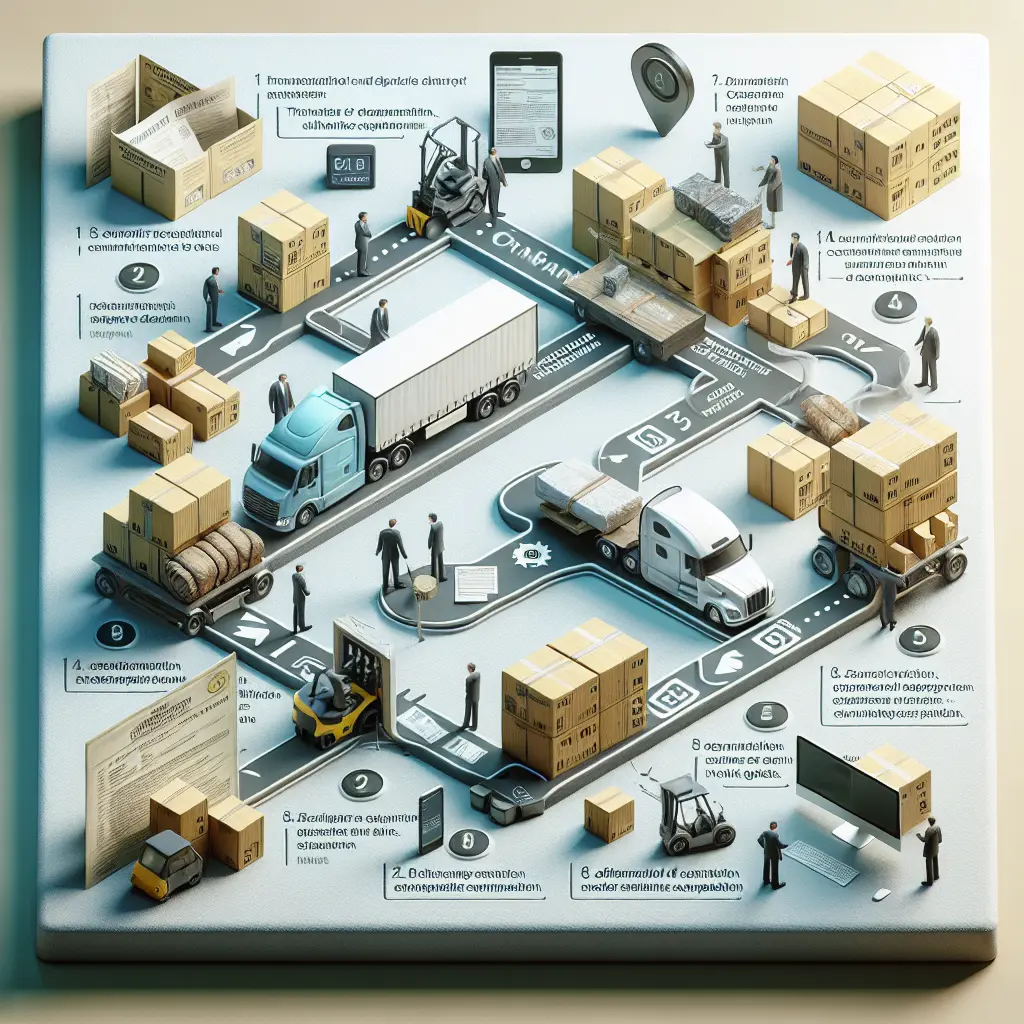
Identify the Type of Dispute
Disputes can arise from damaged, refused, lost goods, or delivery delays — each requiring different strategies. Determine the dispute type to inform your response approach effectively.
Gather Evidence
Collect all potential evidence, including photographs, invoices, and consignment notes. Comprehensive evidence can greatly increase the success of your claim.
Notify the Carrier
Immediate notifications for visible damages are crucial. Non-apparent damages require reservations within seven days, while delays must be reported within 21 days. Timely submissions are essential under the CMR Convention.[^1]
Seek Compensation
Submit a well-documented claim, including necessary transportation documentation and proofs like original invoices. Your diligence in preparing this dossier is a testament to your seriousness in resolving the dispute.
Conclusion
Handling transport disputes is indeed a nuanced dance between documentation, legal knowledge, and timely actions. Embed frameworks like the CMR Convention into your dispute resolution processes to safeguard your deposits and goods ideologically. Actively documenting every transport step extends beyond practicality, establishing a shield between you and any unforeseen disputes.