

Are Hay Grid Systems Worth the Investment for Slowing Horse Feeding?
For horse owners looking to balance their horses' diet while ensuring their mental and physical well-being, hay grid systems present a compelling solution. Often referred to as slow feeders, these systems emulate the natural grazing habits of horses. In this article, we will assess the benefits of hay grid systems, evaluate different types of slow feeders, and discuss whether investing in these systems pays off in the long term.
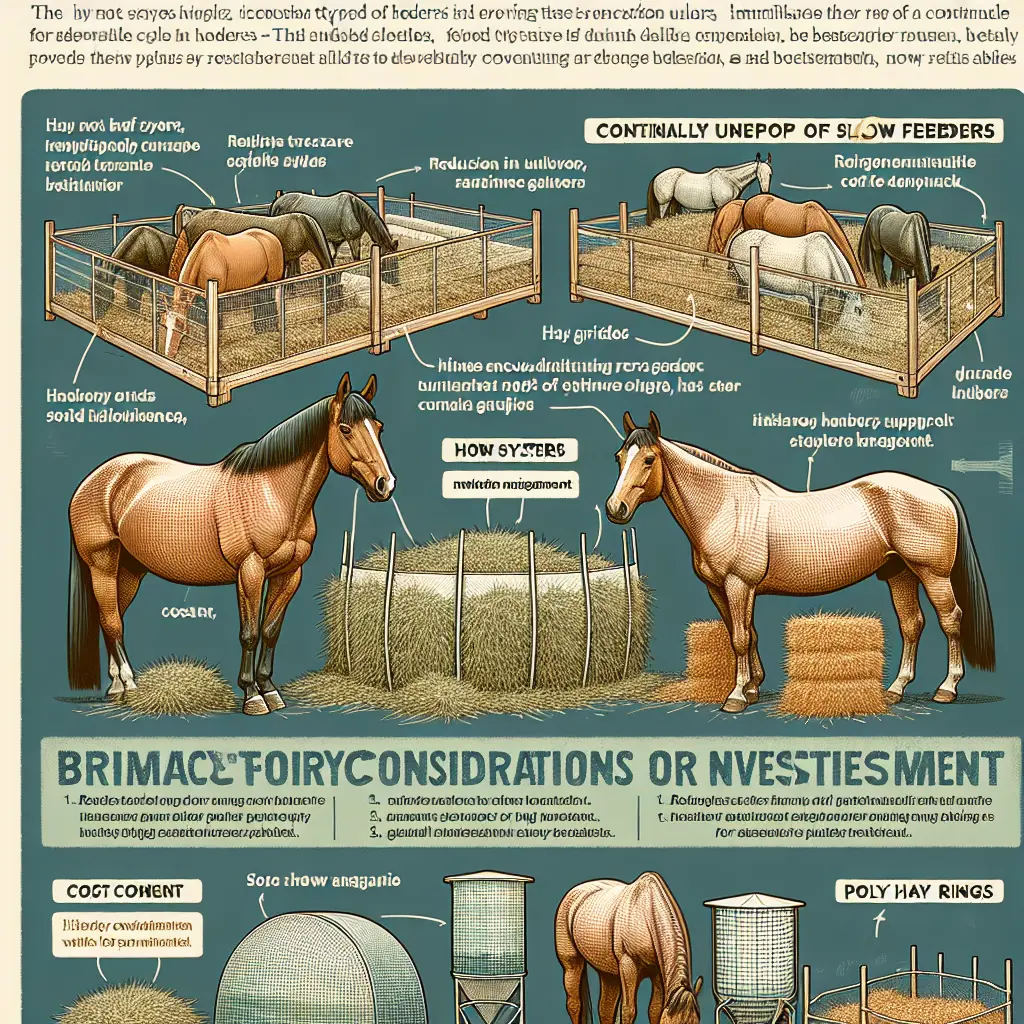
Benefits of Slow Feeding
Understanding the advantages of slow feeding is crucial for any informed decision. Let’s delve into the primary benefits.
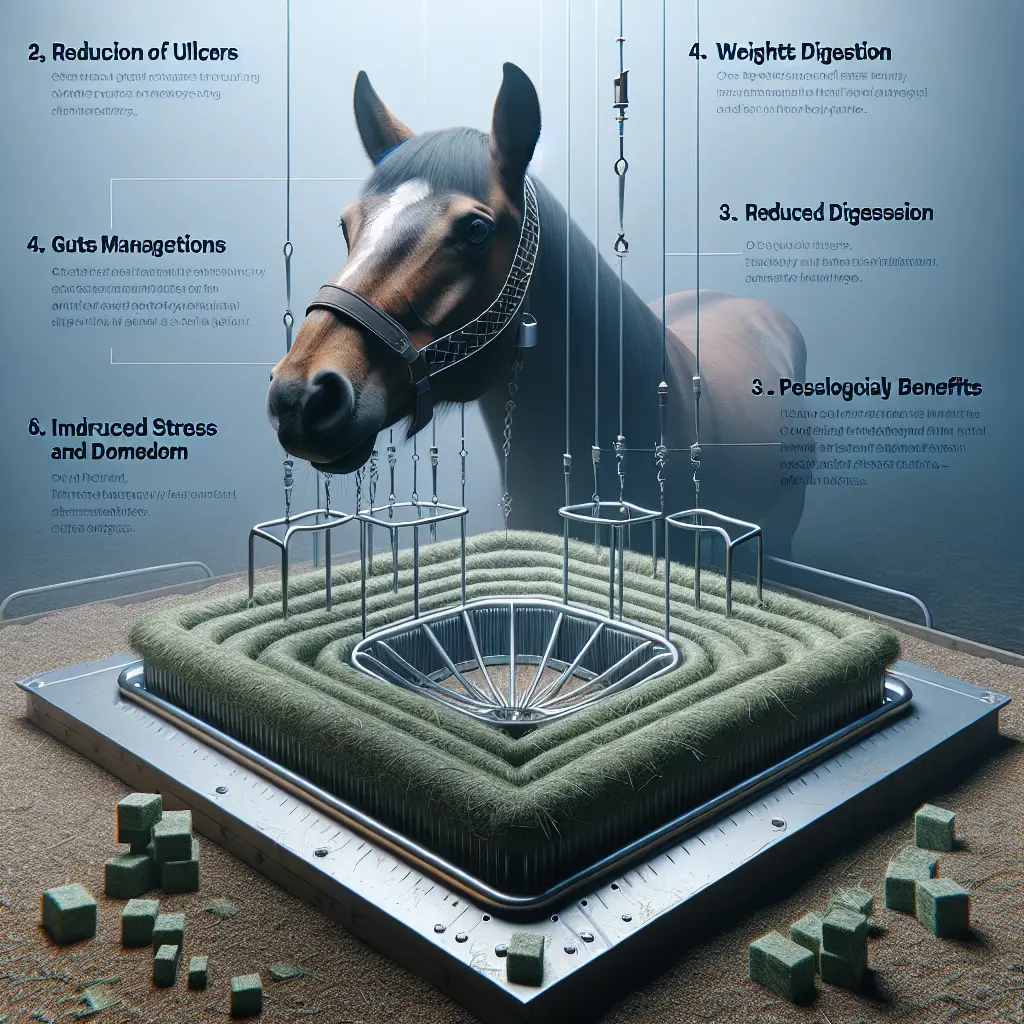
Reduction in Ulcers and Gut Dysfunction
Horses naturally graze up to 14 hours daily. Keeping their stomachs full by simulating this natural behavior minimizes the risk of gastric ulcers and gut dysfunction. Mad Barn provides insights on preventing colic and maintaining gut health through continuous feeding.
Weight Management
Slow feeding strategies can assist in controlling weight. By extending the time spent eating while limiting the overall hay intake, slow feeders help manage obesity and promote healthier weight-related outcomes.
Improved Digestion
A steady forage intake supports a favorable balance of gut bacteria, which is vital for preventing digestive issues such as colic. Regular feeding aids digestion consistency, promoting overall well-being.
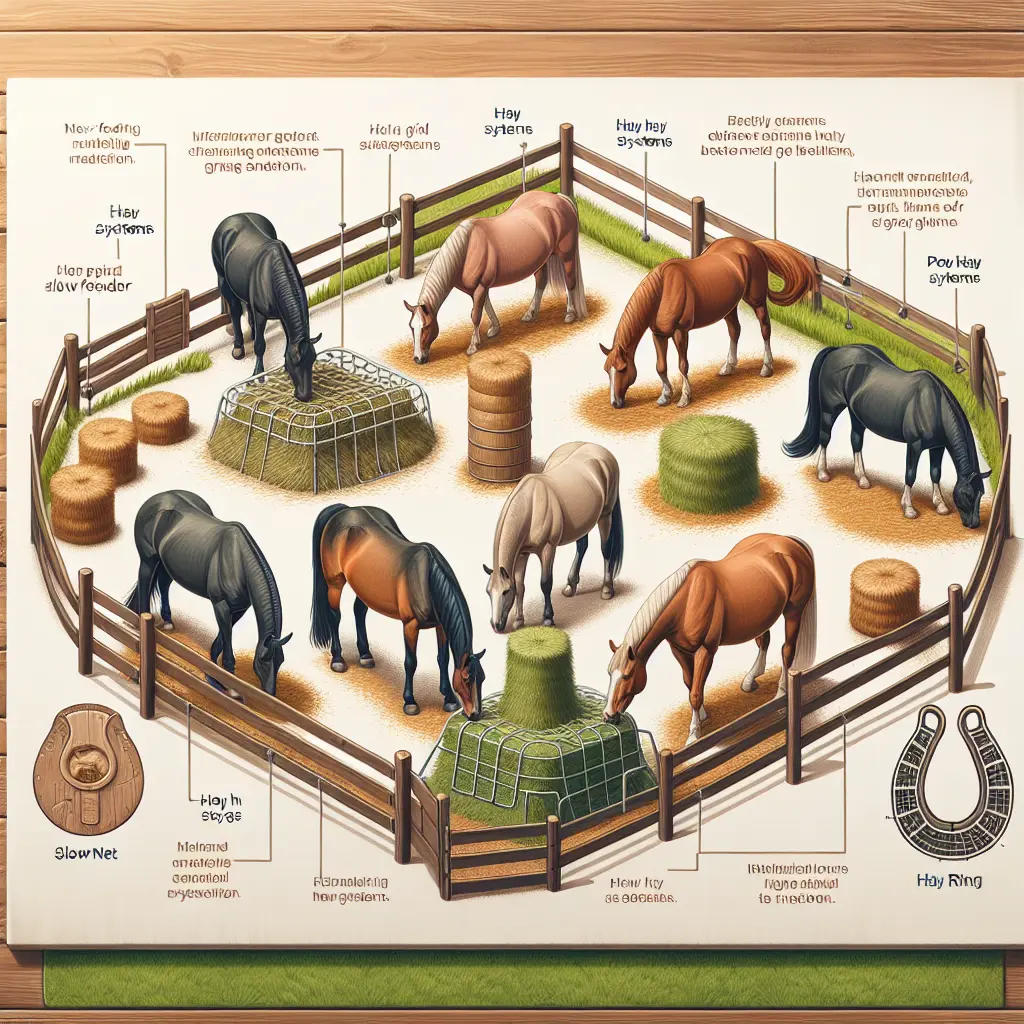
Reduced Stress and Boredom
Horses are social animals. Slow feeders minimize stress and boredom, particularly for stall-kept animals, by encouraging natural feeding behavior. This helps in reducing anxiety and aggressive tendencies among horses.
Psychological Benefits
Encouraging social interaction among horses has its benefits. When groups share slow feeders, it fosters positive relationships and enhances overall mental health.
Types of Slow Feeders
Diverse options in slow feeders offer flexibility based on specific needs. Understanding each type helps in selecting the right system.
Hay Net Slow Feeders
Inexpensive and easy to find, hay net slow feeders have smaller openings compared to traditional nets. While they slow down consumption, care needs to be taken to avoid frustration from too-small openings.
Hay Grid Systems
Advanced and sometimes automated, hay grid systems provide timed hay release and are perfect for horses needing specialized care. These systems ensure a steady hay supply tailored to dietary requirements.
Poly Hay Rings
Durable and designed to mimic grazing, poly hay rings not only manage appetite but also reduce wastage by encouraging movement, promoting exercise. For more on how these work, visit Farm and Barn.
Considerations for Investment
Before making the leap, consider these key factors to ensure informed decision-making.
Cost
The initial expense of hay grid systems, especially automated ones, is higher compared to traditional methods. Over time, however, they can save on hay wastage and vet bills by improving health.
Maintenance
Regular cleaning prevents mold and bacteria, vital for horse health. Ensuring a system's upkeep contributes to its longevity and effectiveness.
Customization
Some systems, like automated hay flake feeders, cater to specific needs such as aiding horses with ulcers or specific feeding schedules. Customization enhances their value proposition.
Conclusion
Ultimately, hay grid systems present numerous health and welfare benefits, striking a balance between natural behavior and feeding control. Though they require a higher initial outlay, their long-term advantages are palpable. For horse enthusiasts seeking to optimize their equine care routine, incorporating these systems is indeed worthy of consideration. Explore further equine solutions including Everyday Horse Vitamins & Supplements and Jodhpur Collection at Just Horse Riders.