

Exploring Natural Calming Solutions for Horses: A Deep Dive into Herbal Remedies
Keeping our equine companions calm and collected is pivotal whether they're in the heat of competition, undergoing training, or simply enjoying the lazy bliss of nature. Many horse owners are turning toward natural herbal remedies to calm their horses, offering a holistic and often safer alternative to chemical sedatives. Join us on a verdant trail as we explore these herbal solutions and weigh their benefits, mechanisms, and limitations.
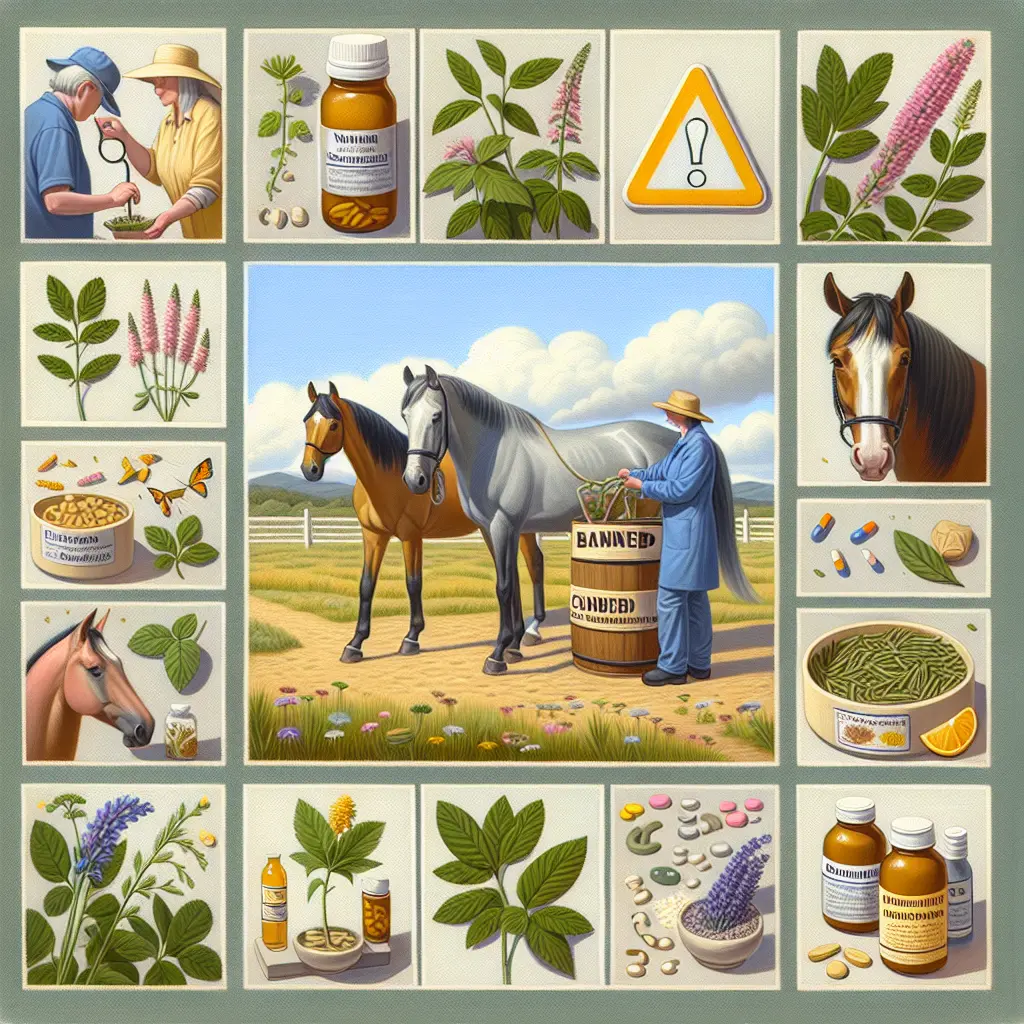
Valerian Root: A Natural Sedative
Renowned for ages, valerian root from the Valeriana officinalis plant hails as a natural sedative. This potent herb works its magic by inhibiting the breakdown of gamma-aminobutyric acid (GABA), an inhibitory neurotransmitter that eases tension and fosters relaxation [1]. While it's all the rage among sleep-deprived humans, its use in horses is less documented and, intriguingly, banned by some equestrian organizations due to its intense effects [1][5]. Despite scant scientific studies, anecdotal whispers suggest it's effective in reducing equine anxiety, though vigilance is essential because of potential drug interactions [1][5].
Ashwagandha: Reducing Stress Naturally
Traditionally celebrated in human herbal medicine, ashwagandha or Withania somnifera brings its calming prowess to the equine world. Believed to tame cortisol levels, it aids horses in navigating stressful scenarios like competitions or social outings [5]. While peer-reviewed horse studies are wanting, many horse owners swear by its efficacy, observing a drop in nervous tics like cribbing or weaving [5].
Chamomile: A Soothing Herb
Step aside, sleepy tea! Chamomile, particularly in its German and English varietals, is famed for its calming essence. Its active ingredient, apigenin, endows it with sedative properties [5]. From insomnia to anxiety relief in humans, it holds potential for our equine pals as well, offering anti-inflammatory benefits to boot. Alas, chamomile, like valerian, runs afoul of some equine federations for its sedative prowess [5].
Magnesium: A Mineral for Calmness

Though not a herb, magnesium deserves a spotlight. This natural mineral is crucial for equine vitality, playing a significant role in muscle relaxation and stress reduction. Over half of horse owners attest to magnesium's calming vibes, making it a staple in many equine calming arsenals [2][4].
Other Herbal Remedies
Beyond the well-trodden paths of valerian and chamomile, other botanical allies offer solace. Ever heard of passionflower? Though specific studies in horses remain sparse, this herb has shown potential sedative benefits in other creatures [1]. Often, these herbs harmonize when combined, amplifying their calming effects.
Considerations and Safety
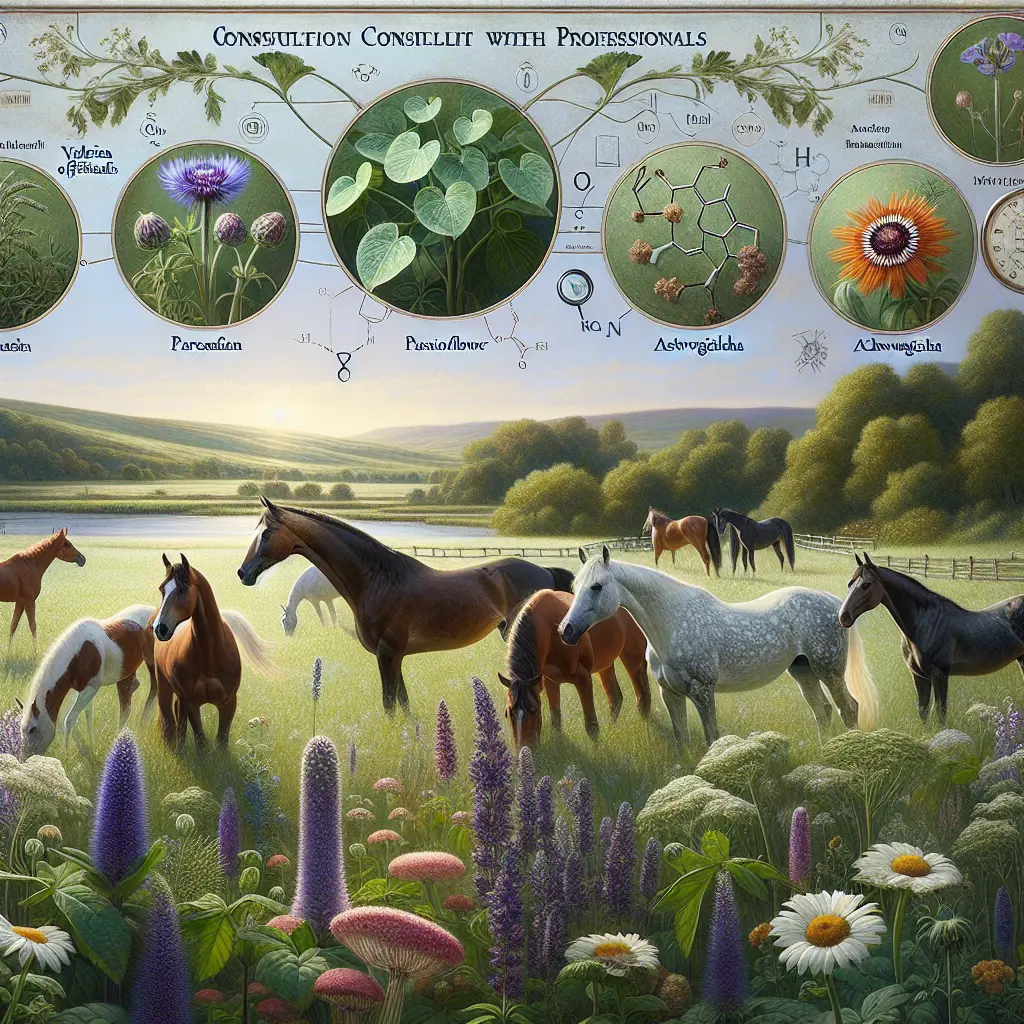
Foraying into the world of herbal equine remedies demands prudence. Consulting with a veterinarian ensures your potions are safe and won't meddle with other medications. Given that many herbal concoctions vary in active compound concentrations, ensuring standardization is prudent [1]. Equally, it's crucial to verify which herbs might breach competitive event guidelines [1][5].
Conclusion
Herbal remedies usher a natural avenue for soothing our equine partners, but understanding potential impacts and limits is paramount. While nature gifts us remedies like valerian, ashwagandha, and chamomile, further research must illuminate their thorough efficacy and safety in horses. Always prioritize equine health by weaving in professional guidance when exploring herbal supplements.
Fancy more equestrian wisdom? Peek into our Everyday Horse Vitamins & Supplements to bolster your horse's regimen!