

Equine Dental Care: A Comprehensive Guide
At Just Horse Riders, we understand the profound connection between horses and their caretakers. Ensuring your equine companion's wellbeing is crucial, especially regarding dental health. In this guide, we'll delve into the intricate roles of veterinarians and equine dental technicians in providing superior dental care to horses.
The Importance of Equine Dental Health
Dental health plays a pivotal role in a horse's overall health and performance. Just like us, horses need regular dental check-ups to avoid complications that could affect their eating habits, behavior, and more.
Common Dental Issues in Horses
Some of the most prevalent dental problems include sharp enamel points, overgrown teeth, and dental infections. Ignoring these issues can lead to severe health complications, ultimately affecting the horse's quality of life.
The Roles of Veterinarians and Equine Dental Technicians
There's a dynamic partnership between veterinarians and equine dental technicians. Together, they ensure that horses receive proper dental care tailored to their unique needs.
Veterinarians: The Dental Protectors
Veterinarians are crucial for diagnosing and treating complex dental conditions. They have the expertise to conduct surgeries, perform extractions, and administer sedation. According to an expert article on sedation in equine dentistry, vets have the legal authority to sedate horses, making them indispensable for complicated procedures.
Equine Dental Technicians: Routine Maintainers
Equine dental technicians often handle routine maintenance, like floating teeth, for horses that are manageable without sedation. However, they do not have the legal capacity to sedate, limiting their scope of practice. They focus on ensuring that the horse's teeth are smooth and without sharp edges to avoid discomfort during feeding.
When is Sedation Necessary?
Understanding when sedation is necessary is vital for safely performing dental procedures on horses.
Ensuring Safety and Thoroughness
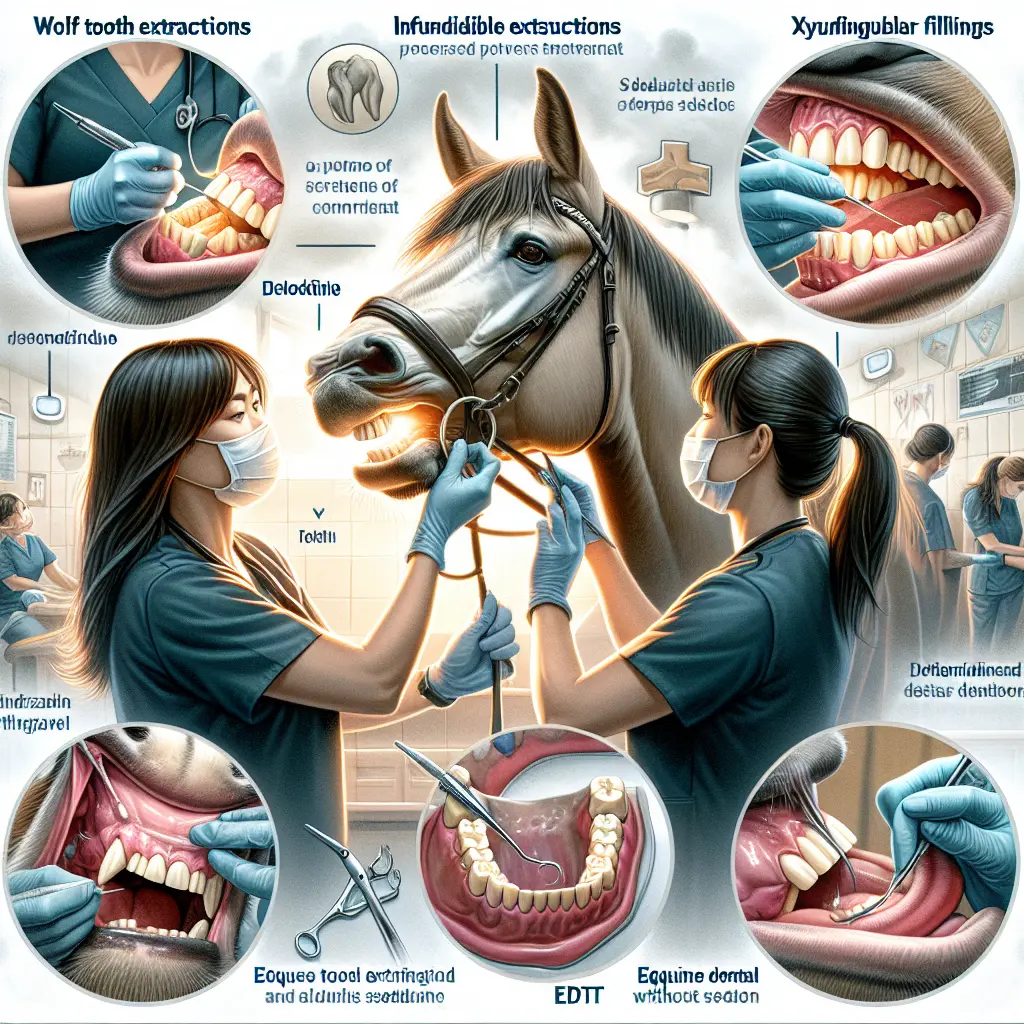
Procedures such as wolf tooth extractions require the horse to remain absolutely still. Sedation ensures that the process is safe both for the horse and the practitioner, as it minimizes stress and eliminates sudden movements. Learn more about the necessity of sedation on Eurodressage's insights.
Pain Management and Improving Comfort
Dental procedures can be painful; hence, sedation, alongside local anesthetics, helps in pain management. This practice significantly enhances the quality of care and safety of the procedure, as highlighted by Best Horse Vet.
Sedation Protocols and Safety Measures
Sedation is a refined science in equine dentistry and requires careful administration.
The Right Sedatives
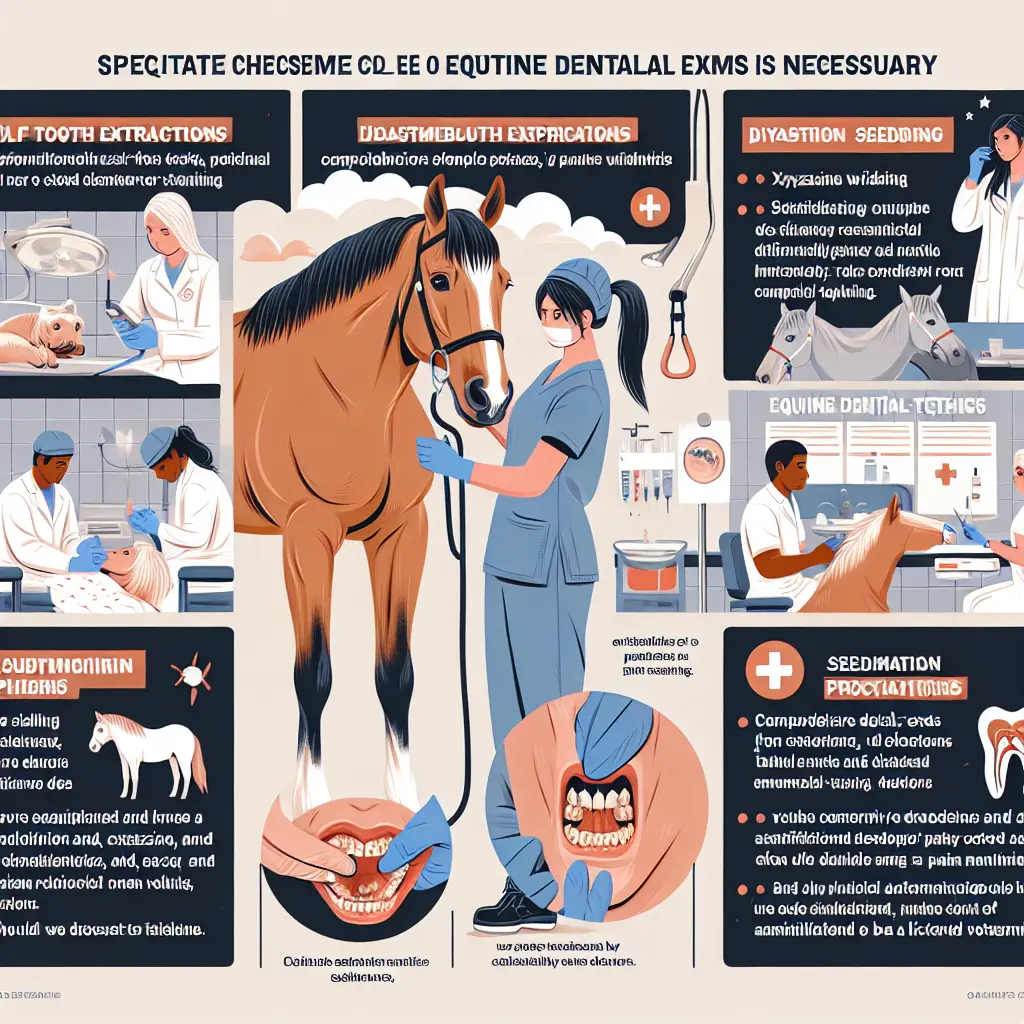
Commonly used sedatives include alpha-2 agonists like detomidine and xylazine, known for their effectiveness and safety when administered by a licensed veterinarian. The sedatives' effectiveness is vital for ensuring the procedure is quick and less stressful.
Duration of Sedation and Its Implications
According to research by ZoetisTechnical Bulletin, the average equine dental procedure takes approximately 21 minutes. However, additional sedation may be necessary if the initial dose proves insufficient, emphasizing the need for precise dosing.
Guidelines for Regular Dental Check-ups
Starting Young: Regular Exams
From around six years old, when all permanent teeth have erupted, horses should have comprehensive dental exams periodically. Routine check-ups every 8-12 months are recommended, especially for competition horses. Delve into University of California Davis's resources for more guidelines.
Ensuring Comfort and Compliance
Not all horses are enthusiastic about dental visits. Some may need extra care and sedation to ensure the procedures are completed correctly without distress.
Handling Sensitive Horses
Some horses are simply more sensitive or fearful of dental equipment. Sedation becomes a tool of empathy and practicality, enabling harmless and efficient dental care.
Conclusion: Best Practices for Horse Owners
Understanding the distinct roles within equine dental care and recognizing when sedation is required helps guarantee that horses receive the best care possible. Whether you're investing in Everyday Horse Vitamins & Supplements or choosing the right Horse Riding Boot Collection, informed decisions lead to healthier and happier horses.
By prioritizing regular dental check-ups and respecting the unique temperaments of each horse, owners can contribute significantly to their equine partners' enduring well-being.
For more equestrian essentials, explore our extensive collections at Just Horse Riders.