

The Journey of Teething: Navigating the Upper Canine Eruption in Children
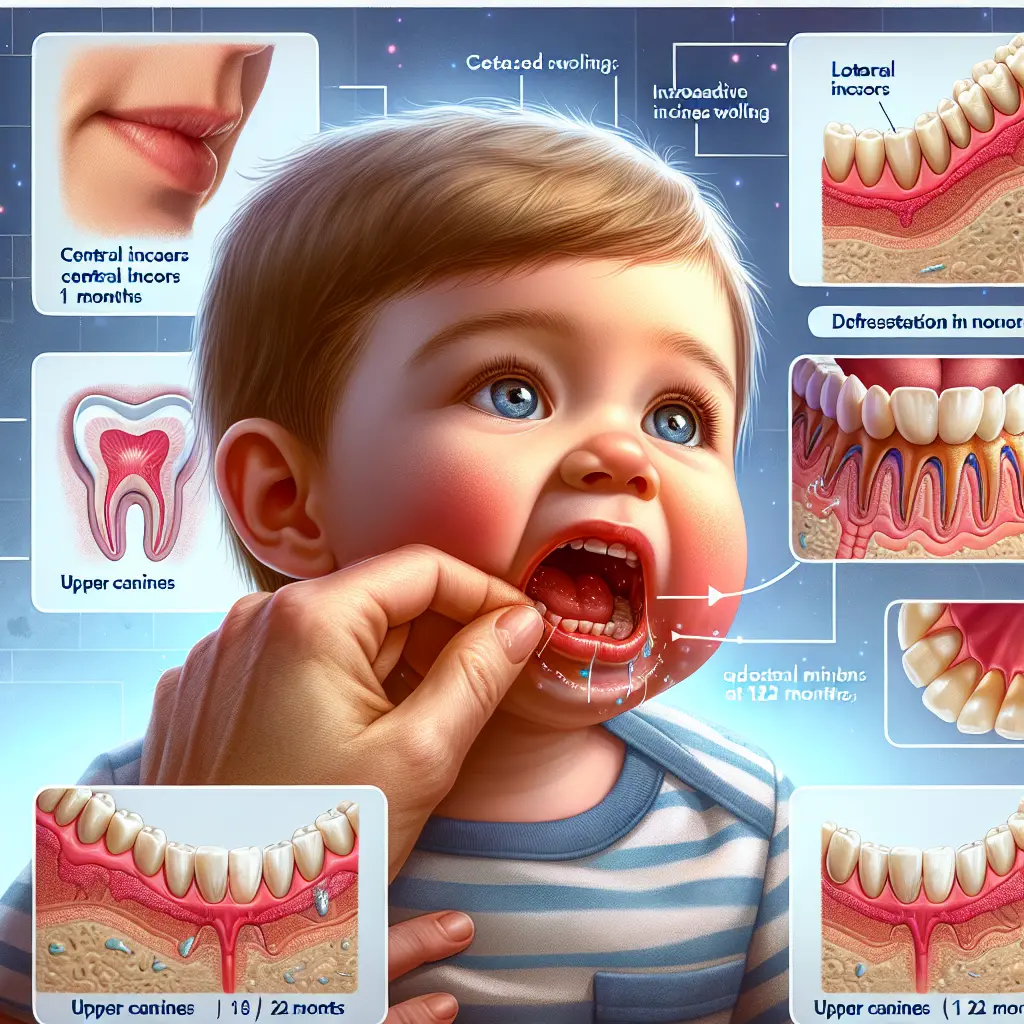
Teething marks a pivotal moment in a child’s developmental journey, akin to setting sail on uncharted waters. Among the various stages, the emergence of upper canines—affectionately known as cuspids—can stir a mix of emotions in both parents and children. It typically occurs between 16 to 22 months and presents a myriad of challenges and opportunities for nurturing a child’s oral health.
Understanding the Timeline of Upper Canine Emergence
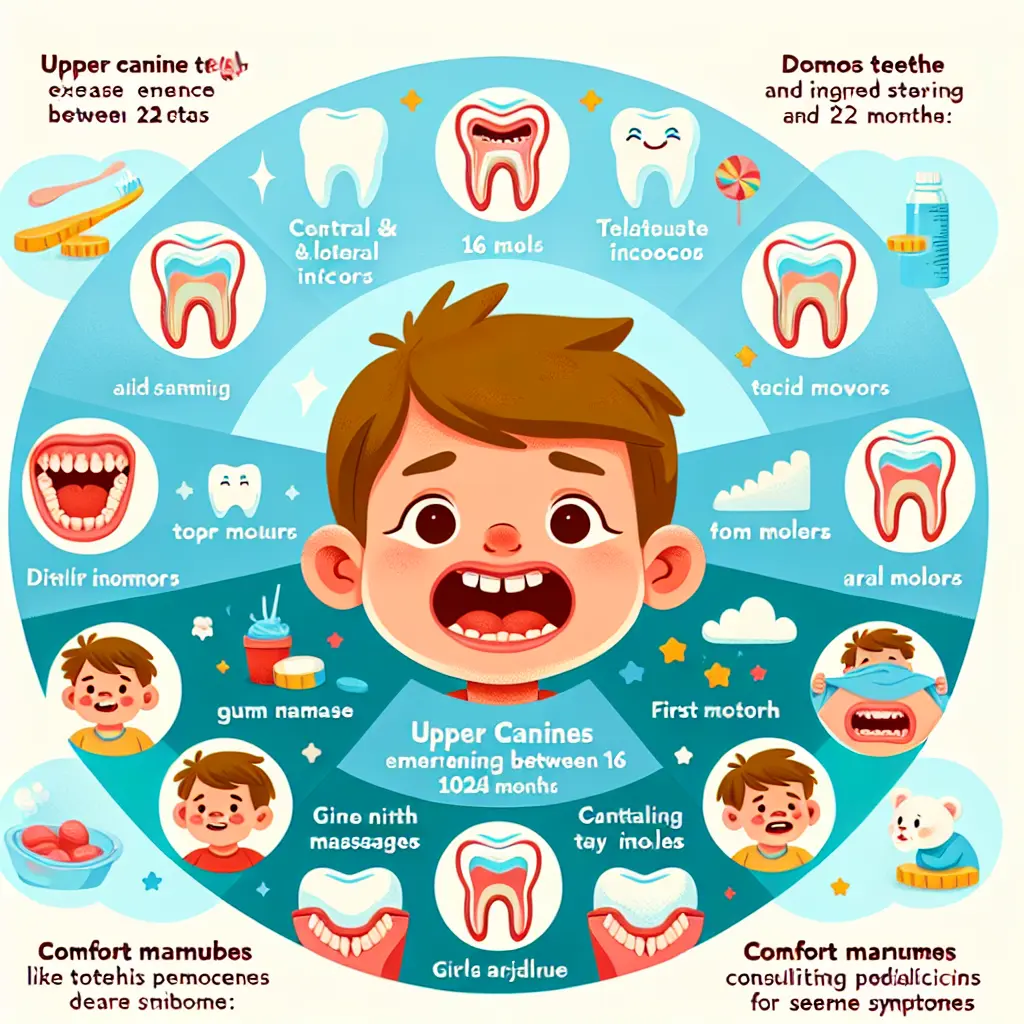
The timeline of teething is as predictable as the weather, which is to say, not at all! However, there is a general sequence that outlines when different teeth make their grand entrance:
- Central incisors: 8–12 months
- Lateral incisors: 9–13 months
- First molars: 13–19 months
- Upper canines: 16–22 months
- Second molars: 25–33 months
Each child has their own rhythm and may not follow these timelines to the tick-tock of the average clock, but these markers serve as a useful guide.
Spotting the Signs of Teething
When those upper canines decide to make their debut, parents can expect to observe several tell-tale signs:
- Excessive drooling
- Noticeable gum swelling and redness
- Desperate chewing on any nearby object—your favorite book may now have bite marks!
- Increased fussiness and irritability
- Potential changes in appetite or sleep patterns
If symptoms include severe fever or issues beyond the norm, seeking guidance from a pediatrician can prove useful [source].
The Cornerstone of Oral Structure: Importance of Upper Canines
Upper canines are like the cornerstone bricks in a carefully constructed building. They help in:
- Aligning other teeth properly
- Assisting with biting and breaking down food
- Maintaining the shape of the child’s face
Their development is pivotal not just for functionality, but also for aesthetics, playing a role in the charming smiles that develop with age [source].
Reducing the Discomfort: Comfort Measures for Your Little One
Navigating the seas of teething discomfort demands a trusty ship crewed with comfort measures:
Teething Toys and Massages
Safe teething toys are lifeboats during stormy seas. They provide essential relief and can be chilled to enhance soothing. Gentle gum massages with a clean finger can work wonders [source].
Cold Comforts
Items like a cold spoon or chilled wooden ring can be particularly effective, offering a brief respite from discomfort.
Maintain Oral Hygiene
Keeping those new visitors—teeth—clean is important. A gentle swipe with a damp cloth can help prevent infections and other unwelcome guests.
When to Consult a Professional
In the teething world, there comes a time when you might need a first mate—a professional—who can help steer you through rougher waters if:
- Symptoms exceed typical parameters in intensity or duration
- There’s noticeable gum bleeding or signs of infection
- Your child’s fever is higher than expected or persistent health issues arise
- Teeth appear misaligned or not erupting on cue
Navigating Through the Teething Experience
With an arsenal of effective comfort measures and an understanding of the upper canine emergence timeline, parents can embrace the excitement and challenges of teething. The entailed patience and care contribute not only to immediate relief but also to the long-term oral health of the child.
Anchoring this journey in reliable practices ensures both the young sailor and their seasoned captain—the parent—reach calmer seas with glowing smiles ready to take on the next adventure.
For horse enthusiasts looking to divert focus from teething puzzles to equestrian adventures, Just Horse Riders provides an extensive collection of Jodhpur Collection, Horse Riding Boots, and other Horse Riding Accessories.