

An Equestrian's Guide to Tackling Insensitive Vet Billing Practices
As any horse enthusiast knows, horse care isn't just about the right gear like jodhpurs, riding boots, and gloves. It also involves maintaining their health and well-being, often requiring veterinary services. But what happens when the cost of vet care climbs higher than a Grand Prix jump?

The Rising Cost of Veterinary Care
The cost of veterinary care has been increasing at a rate faster than we race to the nearest tack shop during a flash sale. Recent data from over 6,500 veterinary practices has shown an 8% inflation in veterinary services—1.6 times higher than the national average inflation rate. This sudden rise in costs presents a real challenge, particularly for pet owners who are already struggling with economic uncertainties [source].
Emotional and Ethical Implications
The emotional stress for owners stems from having to choose between their pet's health and financial stability. Many face the daunting decision to delay or forego care entirely, which can create long-lasting ethical dilemmas.

The Economic Landscape: A Bumpy Ride
The year 2025 is shaping up to be another obstacle with inflation, rising living costs, and other economic challenges resulting in declining veterinary visits and revenues since late 2023 [source]. Despite the financial squeeze on vet practices themselves, including increasing supply costs and staffing shortages, clients perceive billing as insensitive during these tough times [source].
Understanding Client Challenges
- **Higher out-of-pocket expenses** for routine and emergency care.
- Lack of clarity around bills, leading to unexpected charges.
- Inflexible payment systems that make it difficult to manage financial stress.
- The emotional upheaval of balancing pet care with financial capability.
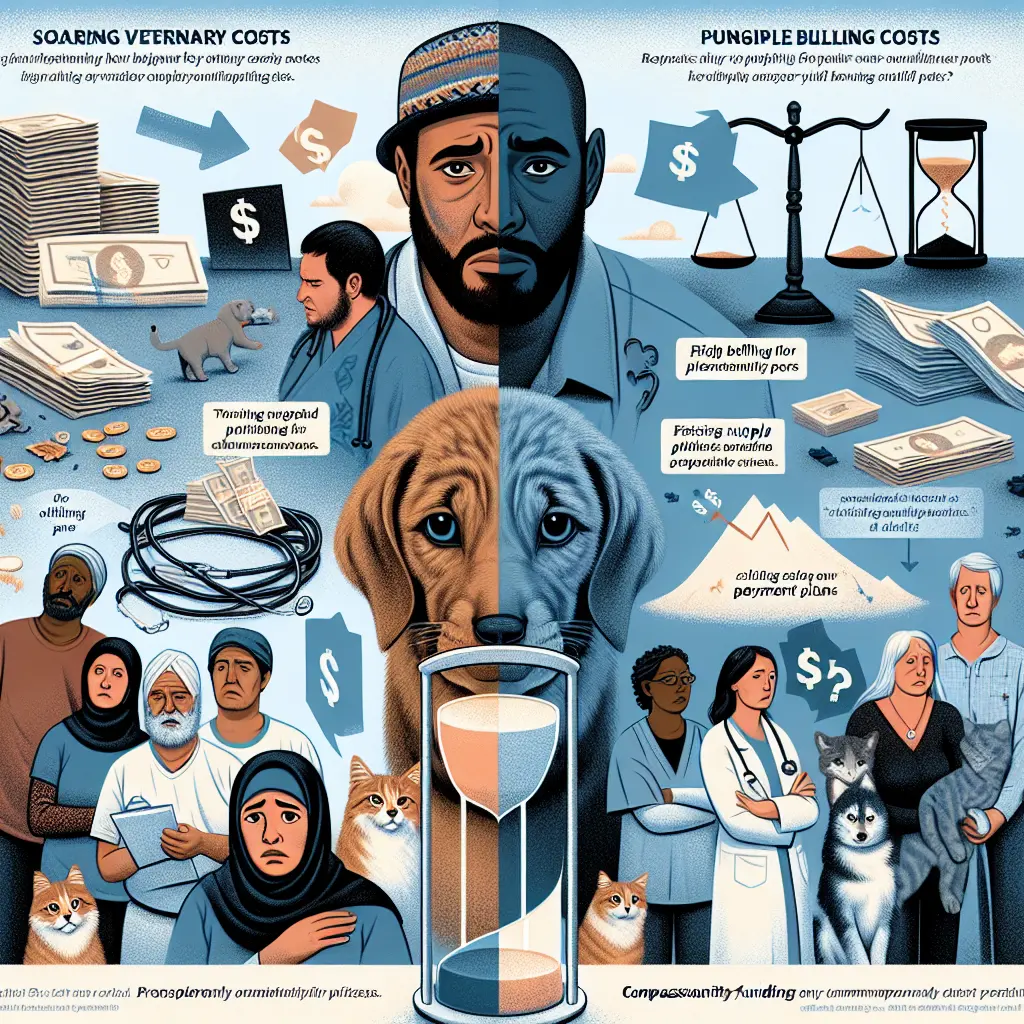
Implementing Change in Veterinary Practices
Veterinary clinics hold a key responsibility in creating an informed and compassionate environment that balances ethical practice with client support.
Transparent Communication
Clear communication before procedures slams shut the gates on surprise bills and nurtures trust. Discussing estimated costs and treatment plans helps owners grasp the value of care [source].
Flexible Payment Options
Offering diverse payment options, like installment plans or third-party financers such as pet insurance, can scale down financial hurdles while ensuring adherence to necessary treatments [source].
Sensitivity Training for Staff
Training teams to manage cost conversations empathetically maintains good client relationships and breaks the stigma around financial discussions. Empathy can transform the toughest billing conversations into manageable ones.

Strategies for Owners: Navigating Financial Constraints
For horse owners grappling with overwhelming vet expenses, explore resources such as charities, pet care programs, or community fundraising initiatives to ensure your horse’s health isn’t compromised.
Explore Equestrian Essentials
While managing veterinary costs, ensuring your horse is well equipped with the best apparel and accessories is crucial. Consider checking out our horse treats and gifts to complement your equestrian needs.
Health Supplements: Aiding Your Horse’s Welfare
Consider including everyday horse vitamins & supplements in your horse’s diet, as these are imperative to maintaining your equine friend’s health, reducing the need for frequent vet visits.
Conclusion: Forging Strong, Trusting Relationships with Vets
To wrap things up, addressing insensitive billing isn't just about looking out for costs—it’s about redefining relationships between clients and veterinary practices, fostering trust, and ensuring pets receive the care they deserve without breaking the bank. Ultimately, aligning compassionate care, transparent pricing, and ethical billing practices ensures long-term bonds between pets, owners, and veterinary professionals.
Ready for your next equestrian adventure? Find the perfect fit for both you and your horse at Just Horse Riders.