

The Best Forage Alternatives for Horses with Dietary Restrictions
Introduction
For many horse owners, ensuring their equine companions receive the right nutrition is a top priority. This becomes even more important when dealing with horses facing dietary restrictions. In this blog, we will discuss the best forage alternatives, offering insights to help you maintain your horse's optimal health and well-being. Whether your horse has digestive issues, dental problems, or metabolic conditions, the right forage choice can make all the difference.
Understanding Forage and Its Importance
Forage forms the foundation of a horse's diet, providing fiber, vitamins, and minerals. Horses are naturally designed to consume high-fiber, low-starch diets as continuous grazers. However, natural forage isn't always available or suitable, necessitating alternative options. Understanding these alternatives ensures your horse gets essential nutrients without compromising their health.
Alternatives to Traditional Forage
Hay Cubes
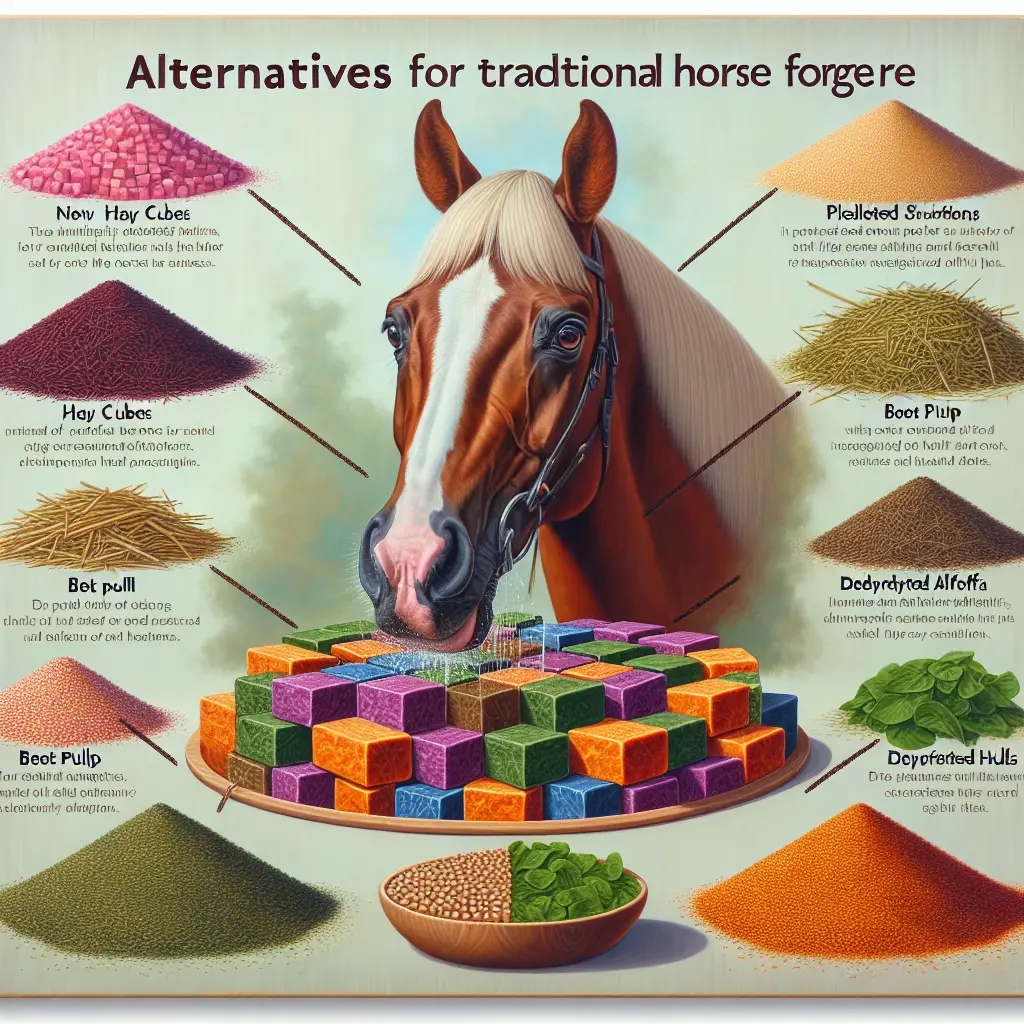
Hay cubes are an excellent substitute for traditional hay, particularly when they feature long-stem fiber crucial for intestinal health. They can effectively supplement or replace conventional hay, beneficial during periods of low supply. [Source]
Pelleted Feeds and Complete Feeds
While not a direct replacement for long-stem fiber, pelleted and complete feeds can offer necessary nutrients. It's crucial to combine them with other fiber sources to maintain digestive health. [Source]
Beet Pulp
A highly digestible fiber source, beet pulp can effectively boost your horse's fiber intake without introducing excess starch. This makes it a preferable choice for horses dealing with metabolic conditions. [Source]
Dengie Forages
Products like Alfa-A Original, Hi-Fi Senior, and Dengie Pure Grass are excellent options as partial or complete forage replacers. These forages are high in fiber and low in starch, suited for horses with dietary limitations. [Source]
Dehydrated Alfalfa and Soy Hulls
These options are highly digestible and can complement other fiber sources to expand forage rations during shortages. They're ideal for maintaining consistent nutrition when traditional feed becomes unavailable. [Source]
Considerations for Horses with Specific Needs
Horses with Metabolic Issues
Horses suffering from metabolic syndrome or PPID (Cushing’s disease) require a cautious approach to diet, keeping sugar and starch under 10% to avoid laminitis. Hay cubes or low-starch pelleted feeds can be advantageous. [Source]
Horses with Dental Problems
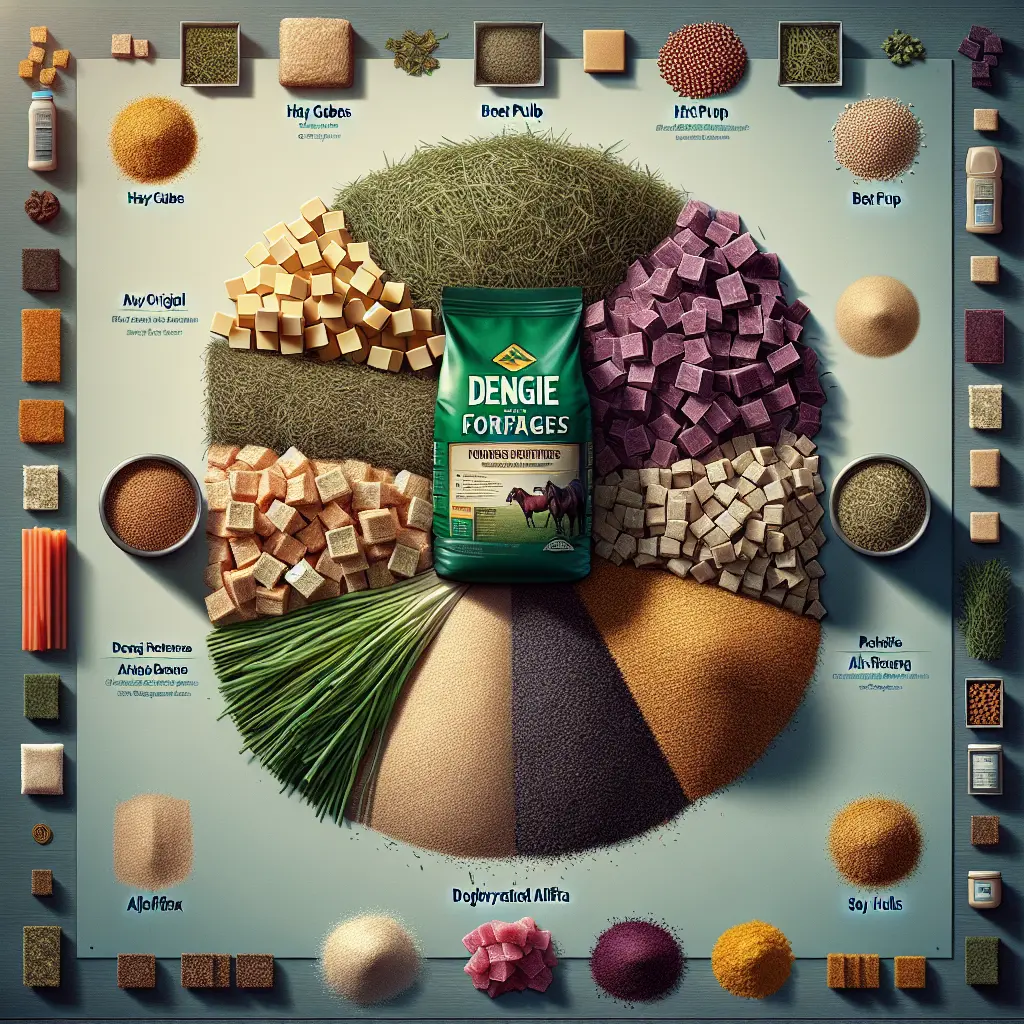
For horses with dental issues, soaked forage substitutes such as Dengie Grass Pellets can be a good fit. These are easier for horses to chew and digest, ensuring they receive the necessary nutrients without discomfort. [Source]
Horses with Energy Requirements
For active horses, additional energy sources might be needed. Incorporate energy-dense feeds low in hydrolyzable carbohydrates to meet your horse's energy demands without inducing metabolic distress.
Implementing Forage Alternatives
Transitioning to forage alternatives requires a gradual approach to prevent digestive upset. Introduce new feeds over several days, monitoring their nutrient intake closely to ensure balanced nutrition. Consulting an equine nutritionist can provide tailored advice for your horse’s health needs.
Conclusion
Selecting the right forage alternatives for horses with dietary restrictions demands careful consideration of their nutritional needs and individual health conditions. By exploring the alternatives available and learning how to integrate them into a balanced diet, horse owners can provide essential care for their horses. Through understanding and action, we can ensure that even horses with dietary restrictions lead healthy and happy lives. Explore our supplements and riding apparel selections to enhance your equestrian journey.
For more resources on managing your horse's diet, explore our latest stable rugs and horse fly protection products.