

How to Calm Your Anxious Horse During Seasonal Changes
Seasonal changes can be a challenging time for horses, often leading to anxiety and behavioral issues. As the seasons shift, factors like weather fluctuations, changes in pasture quality, and increased activity can all contribute to stress in horses. Here, we'll explore the reasons behind this anxiety and provide practical tips on how to calm your horse during these transitions.
Understanding Seasonal Changes and Their Impact
Spring Fever: A Common Challenge
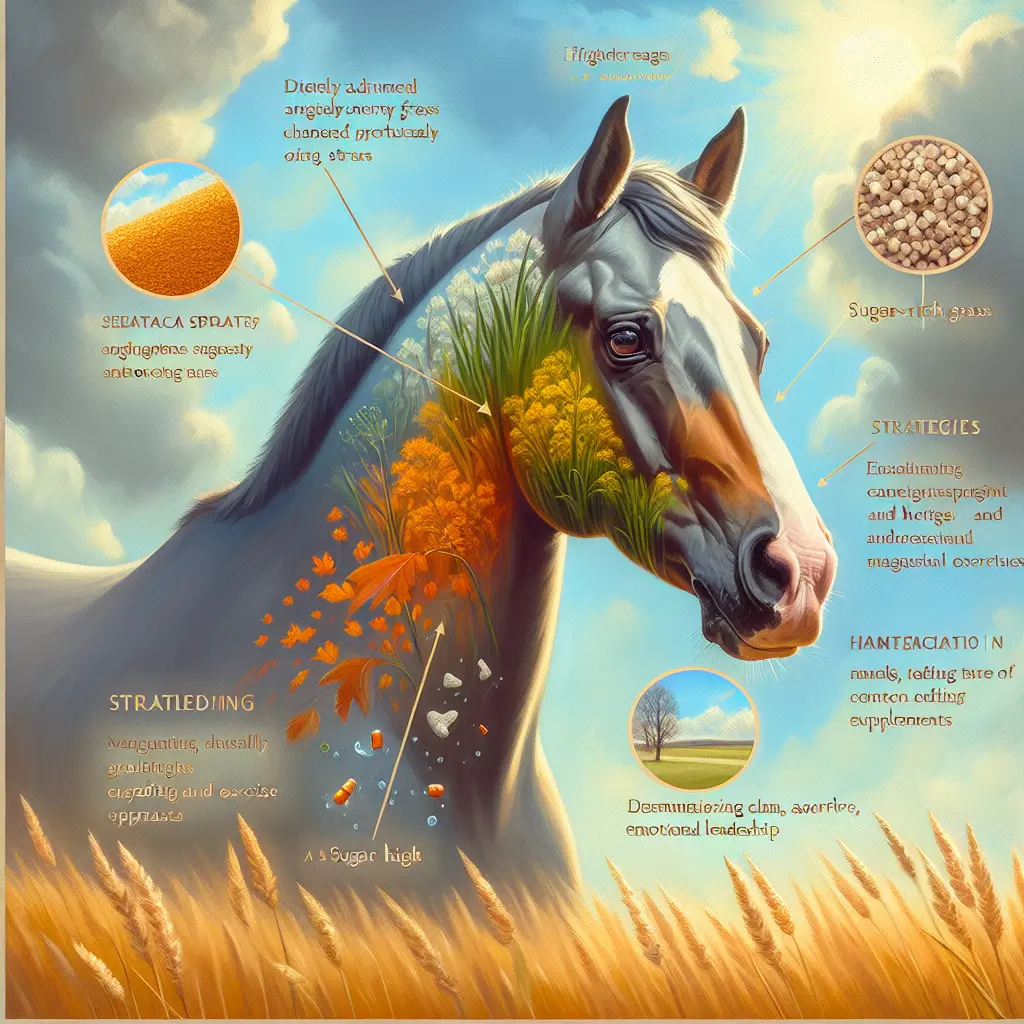
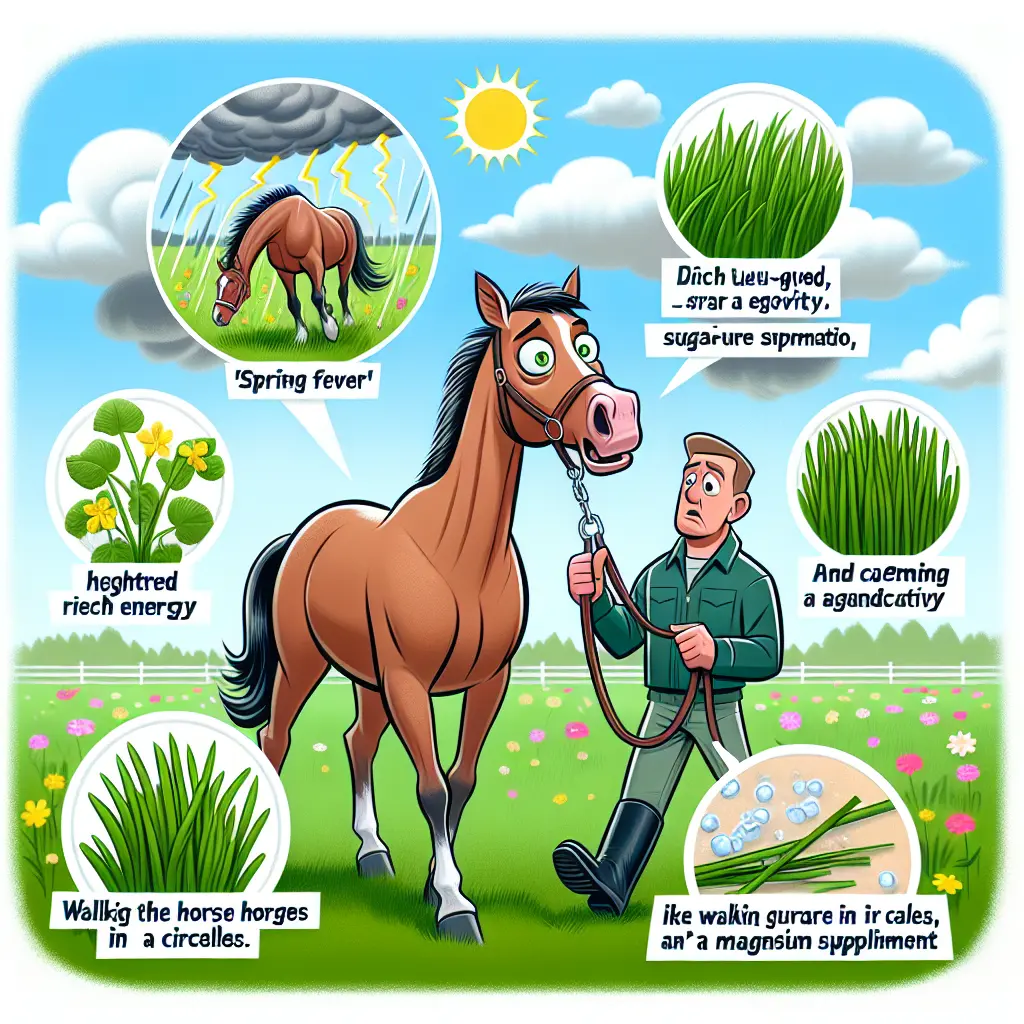
In the spring, horses often experience what is known as "spring fever." This phenomenon is characterized by increased energy, nervousness, and excitability due to the lush, sugar-rich grass that emerges during this time. The high sugar content in spring grass can lead to a "sugar high," causing horses to become more reactive and difficult to handle (source).
The Role of Magnesium Deficiency
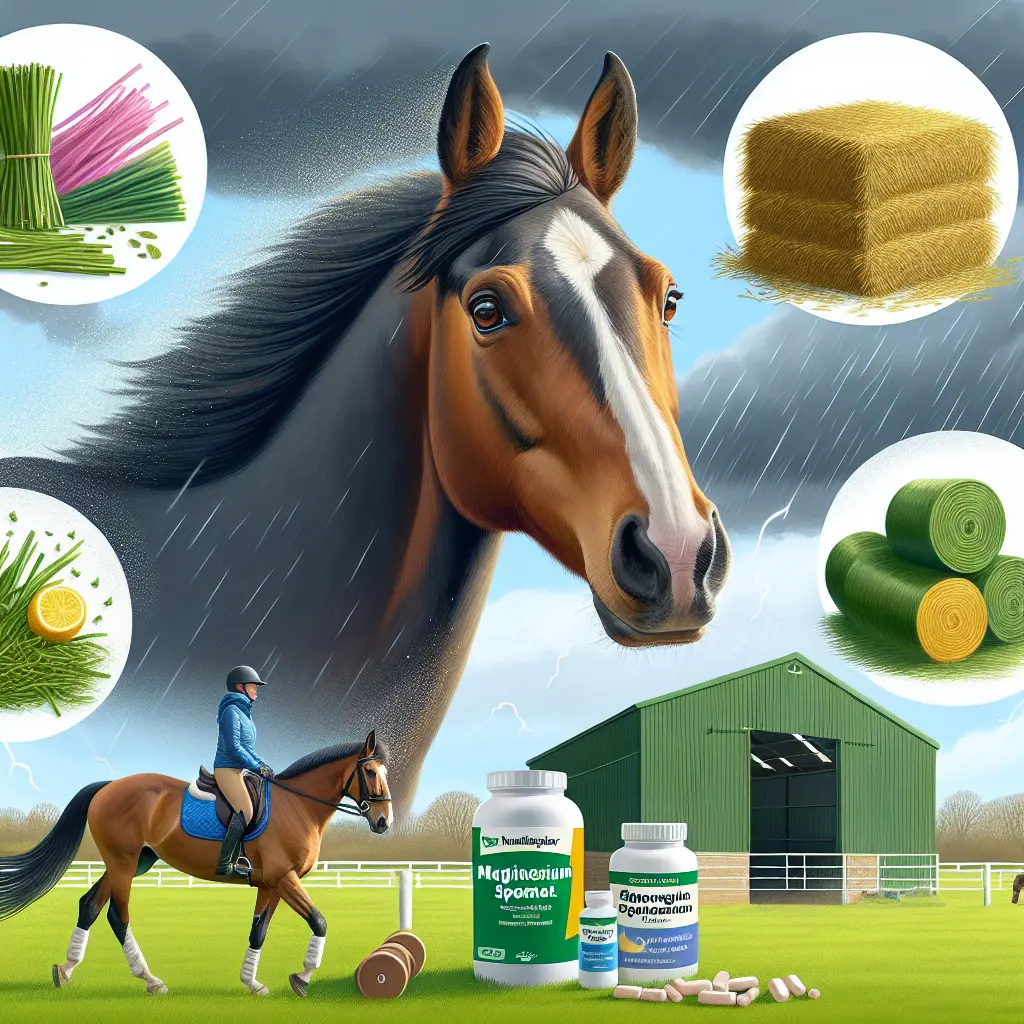
Another significant factor contributing to anxiety in horses during spring is magnesium deficiency. The high potassium levels in rapidly growing spring grass can hinder magnesium absorption, leading to symptoms of anxiety and nervousness (source). Magnesium plays a crucial role in maintaining calmness and focus in horses, so ensuring adequate levels is essential.
Erratic Weather and Stress
Seasonal transitions, particularly in spring and fall, often bring erratic weather patterns. This unpredictability can cause significant stress in horses, potentially leading to digestive issues like colic (source). Horses may exhibit behaviors such as restlessness, excessive sweating, and changes in appetite or water intake during these periods.
Strategies to Calm Your Anxious Horse
1. Dietary Adjustments
Introduce the grass gradually when transitioning to spring pastures to prevent sudden spikes in sugar intake. Continue offering hay to maintain a balanced diet (source).
Consider adding a magnesium supplement to your horse's diet, especially if they are prone to anxiety during spring. Organic chelate forms are more easily absorbed and can help restore balance (source).
2. Consistent Routine and Exercise
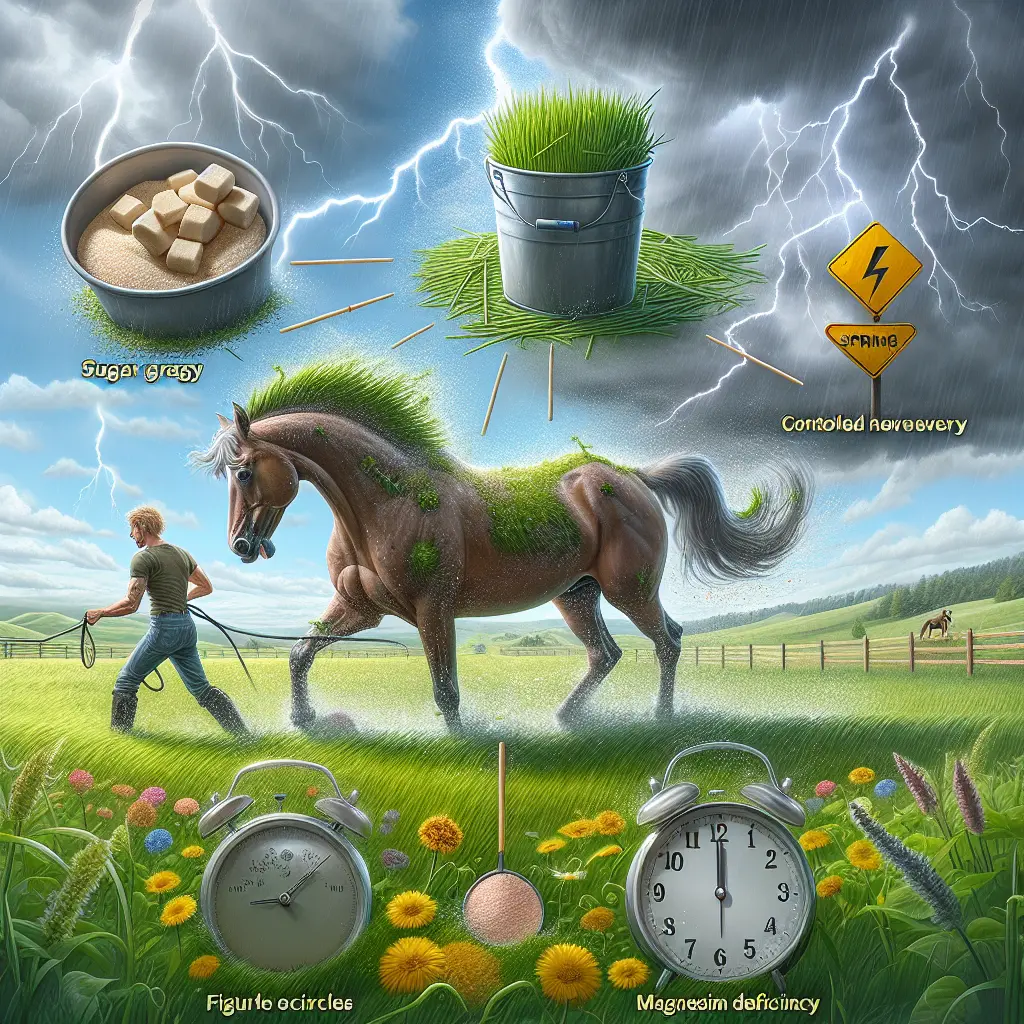
Maintain a consistent routine. Horses benefit from routine, so try to maintain regular feeding times, exercise schedules, and social interactions (source).
Provide frequent opportunities for turnout and access to forage. This helps manage nervous energy and supports digestive health (source).
3. Calming Techniques
Encourage your horse to move in controlled patterns, such as walking circles or figure eights. This helps focus their attention and work off nervous energy (source).
Practice lateral flexion exercises while standing still to keep your horse calm and attentive (source).
4. Emotional Leadership
As a handler, it's crucial to remain calm and composed, especially when your horse is anxious. Fear and stress can be contagious, so ensure you provide a sense of safety and leadership (source).
Conclusion
Managing seasonal changes and their impact on your horse's anxiety requires a combination of dietary adjustments, consistent routines, and calming techniques. By understanding the causes of anxiety and implementing these strategies, you can help your horse navigate seasonal transitions with greater ease and confidence.
Additional Resources
- Equine Spring Fever: Learn more about the causes and management of spring fever in horses.
- Calming Anxiety in Horses: Explore practical tips for calming anxious horses from experienced trainers.
- Seasonal Changes and Stress: Understand how seasonal changes can impact your horse's health and behavior.