

How to Address and Alleviate Horse Toe Dragging in the Left Hind Leg
When a horse begins dragging its toe in the left hind leg, it's a red flag for owners and riders alike. This issue, though seemingly benign at first glance, can point towards more serious underlying problems such as musculoskeletal or neurological conditions. Failing to address toe dragging can lead to further complications, including abnormal gait, excessive hoof wear, and potential injury.
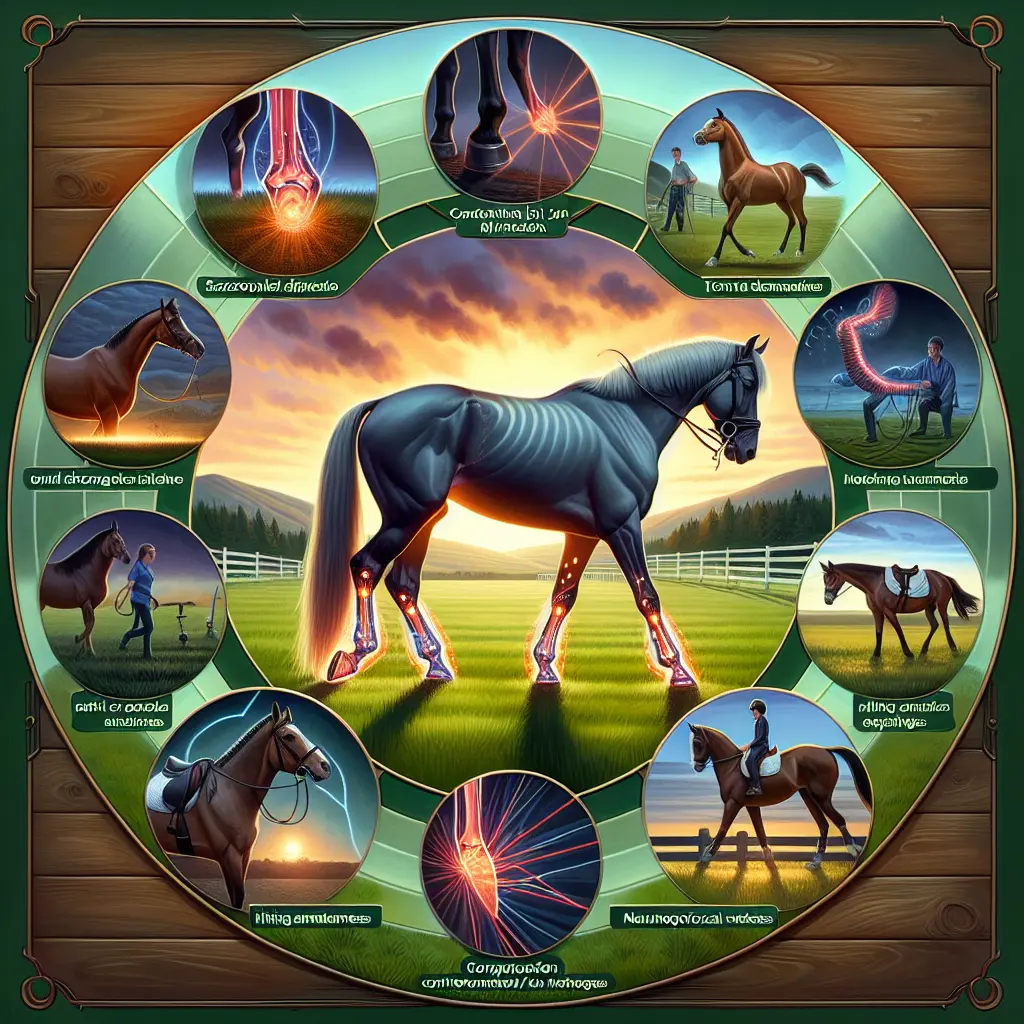
Understanding the Causes of Toe Dragging
Sacroiliac Joint Dysfunction
An intricate part of the horse's anatomy, the sacroiliac joint serves as the connection between the pelvis and the spine. Dysfunction here, often a result of misalignment or locking, makes one hind leg appear longer. This hinders the horse's ability to properly swing the leg forward, resulting in toe dragging. You'll often notice the leg also swings outward as the horse compensates for this perceived discrepancy.
Foot Conformation and Shoeing Issues
Horses are unique creatures, and their specific foot conformations play a significant role in their movement. A low heel and long toe conformation tends to keep the feet closer to the ground, increasing the likelihood of toe dragging. Incorrect shoeing or excessive toe wall thickness can exacerbate these issues. By ensuring regular and precise farrier care, balance in the foot can be achieved, thus minimizing toe dragging.
Pain or Lameness in the Hind Limb
Hock arthritis, known as bone spavin, soft tissue injuries like curb (a sprain of the plantar ligament), and general discomfort can all manifest as reluctance to engage the hind leg, leading to toe dragging. When a horse feels pain, it compensates by dragging its toes rather than placing them fully on the ground.
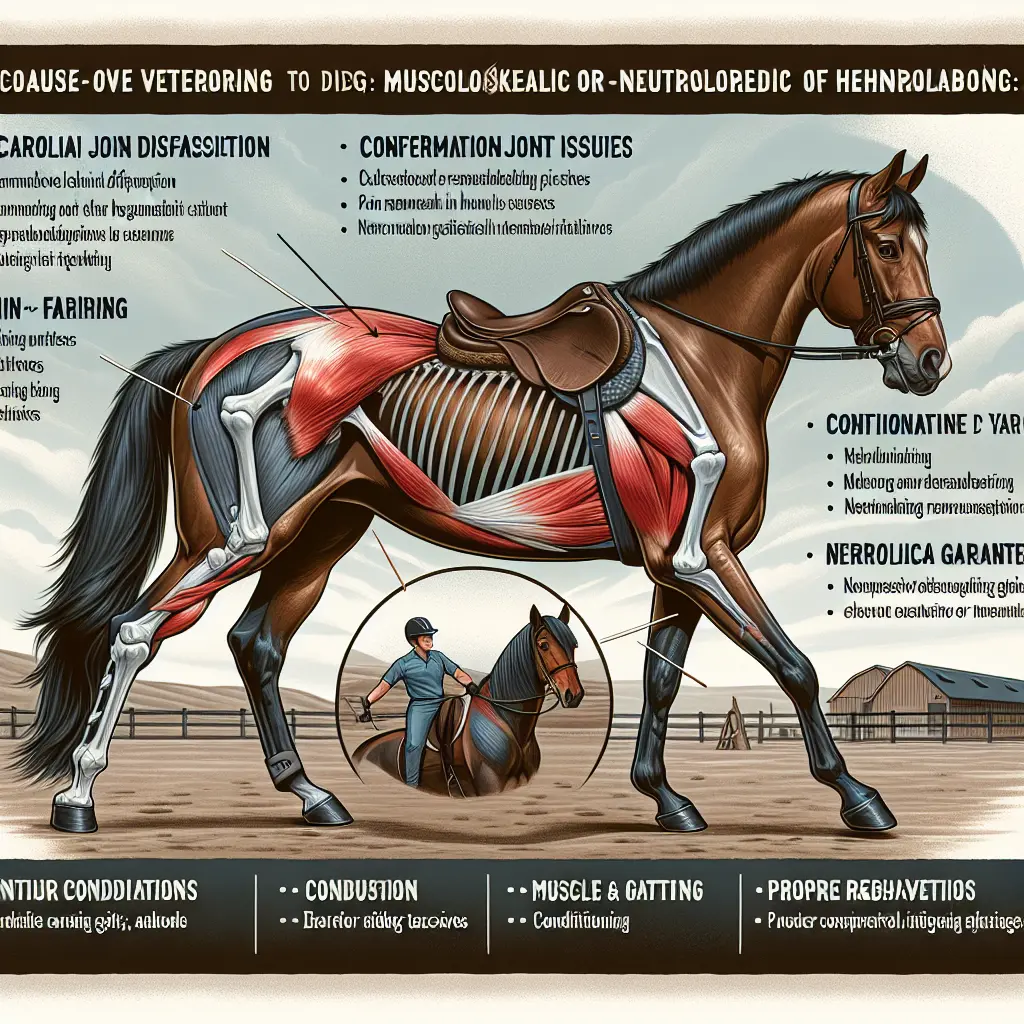
Muscle or Tendon Injuries in the Hind Limb
Damage to the peroneus tertius or gastrocnemius muscles, involved in coordinating the stifle and hock movements, can lead to significant gait abnormalities. A rupture here could cause the leg to hang or the hock to hyperextend, resulting in abnormal limb movement and often toe dragging.
Neurological or Weakness Causes
Sometimes, the cause of toe dragging is more insidious. Neurological deficits or general weakness related to musculoskeletal diseases might be at play. While young horses might temporarily drag their toes as they grow, persistent dragging in adults merits immediate veterinary attention.
External Factors and Rider Influence
Fatigue, poor riding techniques, or incorrect saddle fitting may cause a horse to become lazy in its hind limbs, which can lead to dragging. Back discomfort, affecting stride quality, might also discourage proper use of the hind legs.
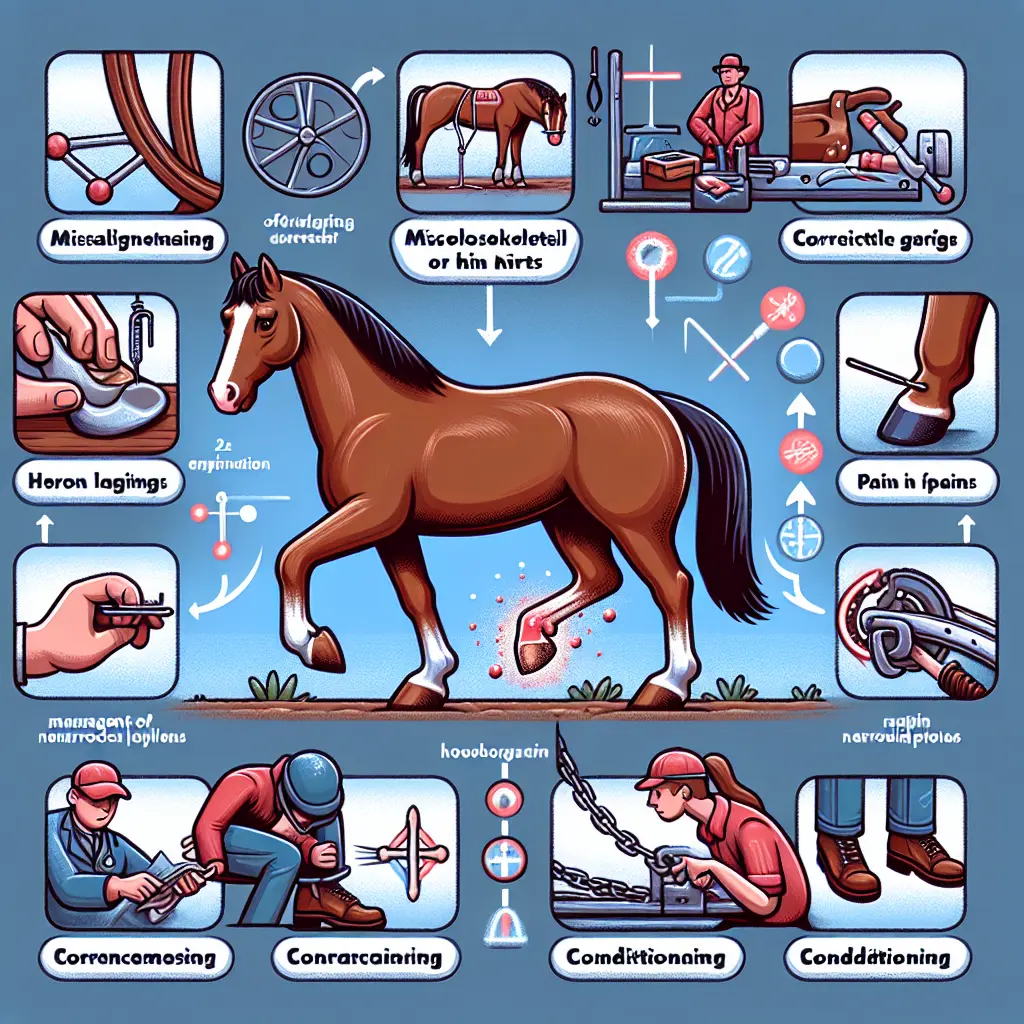
How to Address and Alleviate Toe Dragging
Veterinary Examination
A thorough veterinary assessment is the first step in tackling toe dragging. Identifying the root cause can prevent worsening conditions and guide proper treatment. Lameness evaluations, neurological exams, and imaging like x-rays can clarify the issue.
Chiropractic or Physical Therapy
In cases involving the sacroiliac joint, a certified equine chiropractor or physiotherapist can realign the joint, reducing toe dragging and improving limb movement. Techniques like spinal adjustments can restore proper mobility and biomechanics.
Correct Farriery
Ensuring proper foot balance through professional farriery is crucial. By addressing imbalances such as overly long toes or low heels, farriers can improve the horse's limb carriage, thus minimizing toe dragging.
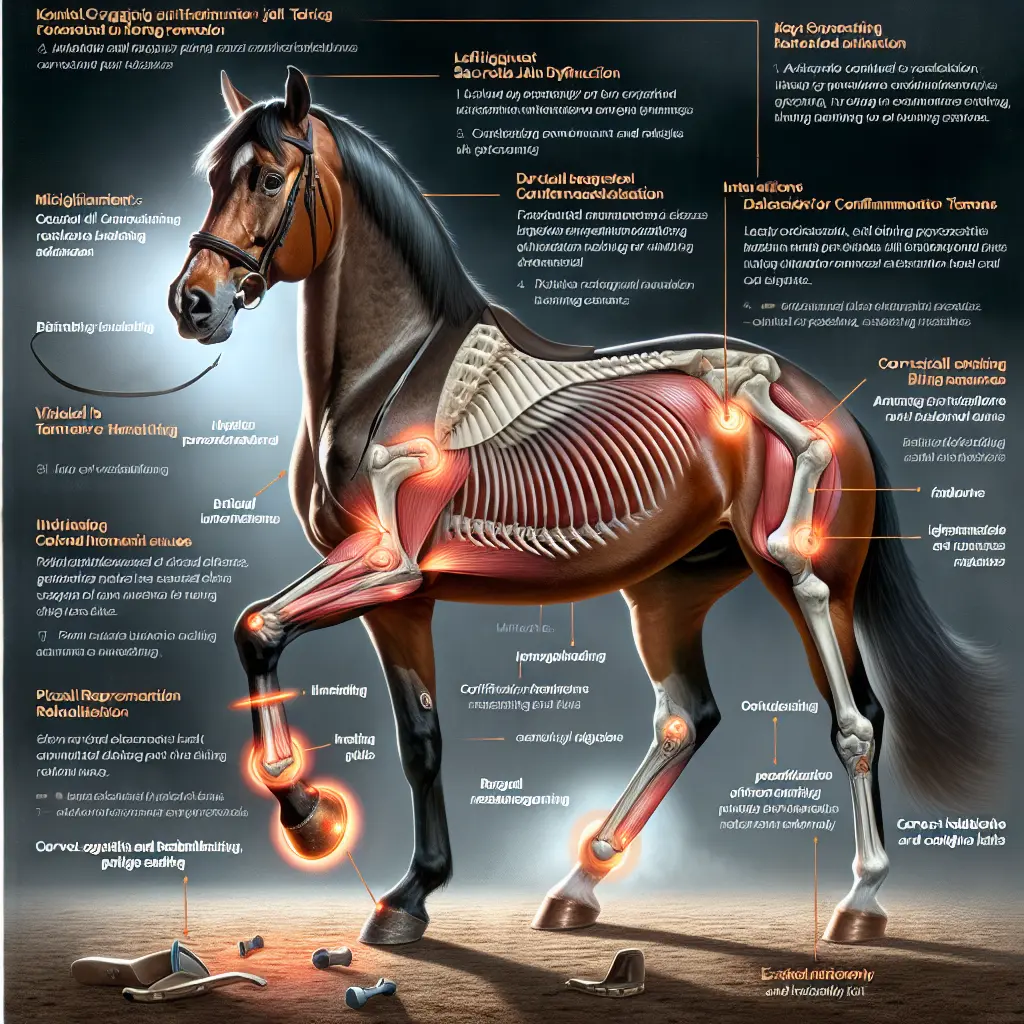
Pain Management and Injury Rehabilitation
Addressing pain through anti-inflammatory medications, rest, and rehabilitation aids in restoring proper hind limb functionality. For conditions like arthritis, joint supplements or injections can alleviate discomfort and toe dragging risks.
Improve Conditioning and Surface Choice
Avoid deep or overly soft surfaces that place undue stress on the hind legs. A balanced conditioning program can build strength and endurance, enabling the horse to support itself properly and diminish fatigue-induced toe dragging.
Saddle Fit and Riding Technique
Ensuring both proper saddle fit and correct riding aids helps the horse utilize its back and hind limbs more effectively, reducing compensatory gait issues.
Facts & Figures Supporting Intervention
- Studies confirm sacroiliac dysfunction is a prevalent cause of hind limb gait abnormalities, owing to alterations in proprioception, which affect limb length perception [source].
- Proper foot balance and farriery can significantly reduce toe drag and joint strain, optimizing limb clearance during gait's swing phase [source].
- Musculoskeletal injuries like peroneus tertius rupture affect gait but show improvement with early diagnosis and regimented rehabilitation [source].
When to Call the Vet
- If toe dragging presents alongside lameness, abnormal gait, or behavioral changes, consult a veterinarian promptly [source].
- Persistent toe wear, unresponsive to rest and farriery, or the development of secondary injuries like hoof bruising require veterinary intervention [source].
Conclusion
Addressing toe dragging in a horse's left hind leg involves a multifaceted approach aimed at identifying and rectifying the underlying causes. From mechanical to pain-related issues, or even fit and conditioning factors, a coordinated treatment strategy can bring relief and prevent further issues. Through vigilant veterinary care, accurate farriery, and attentive conditioning, many horses can regain fluid and proper gait, free from the burden of toe dragging.
For more detailed resources and high-quality equestrian equipment, visit our homepage, or check out our Jodhpur Collection, Horse Riding Boot Collection, and Horse Riding Gloves.