

The Evolution and Versatility of Full Cheek Snaffles: A Comprehensive Guide
Horse riding, a partnership formed in a world where man meets beast, has been perfected over time with the right equipment. Full cheek snaffles play a star role, offering balance between control and comfort. In this guide, we delve into their history, design, and application, making it clear why they remain indispensable to horse riders today.
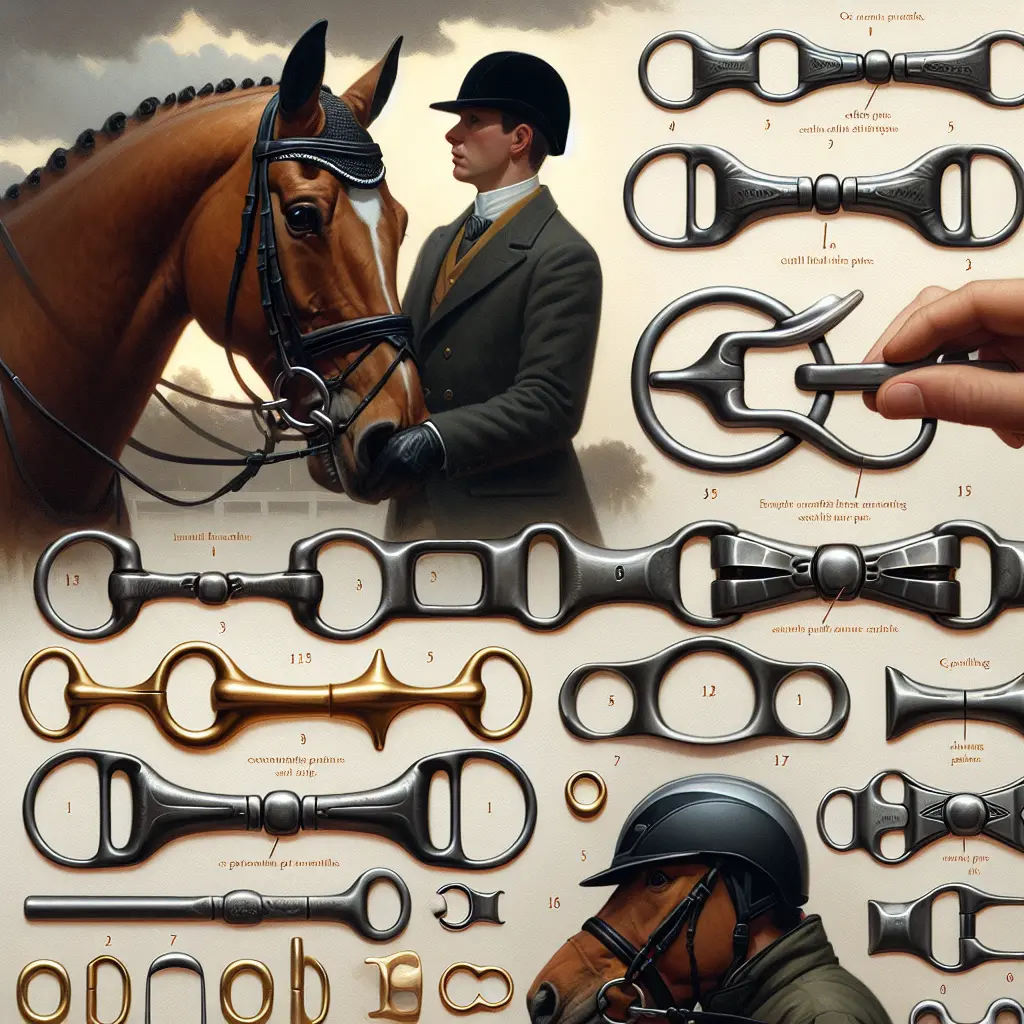
History of Bits and Snaffles
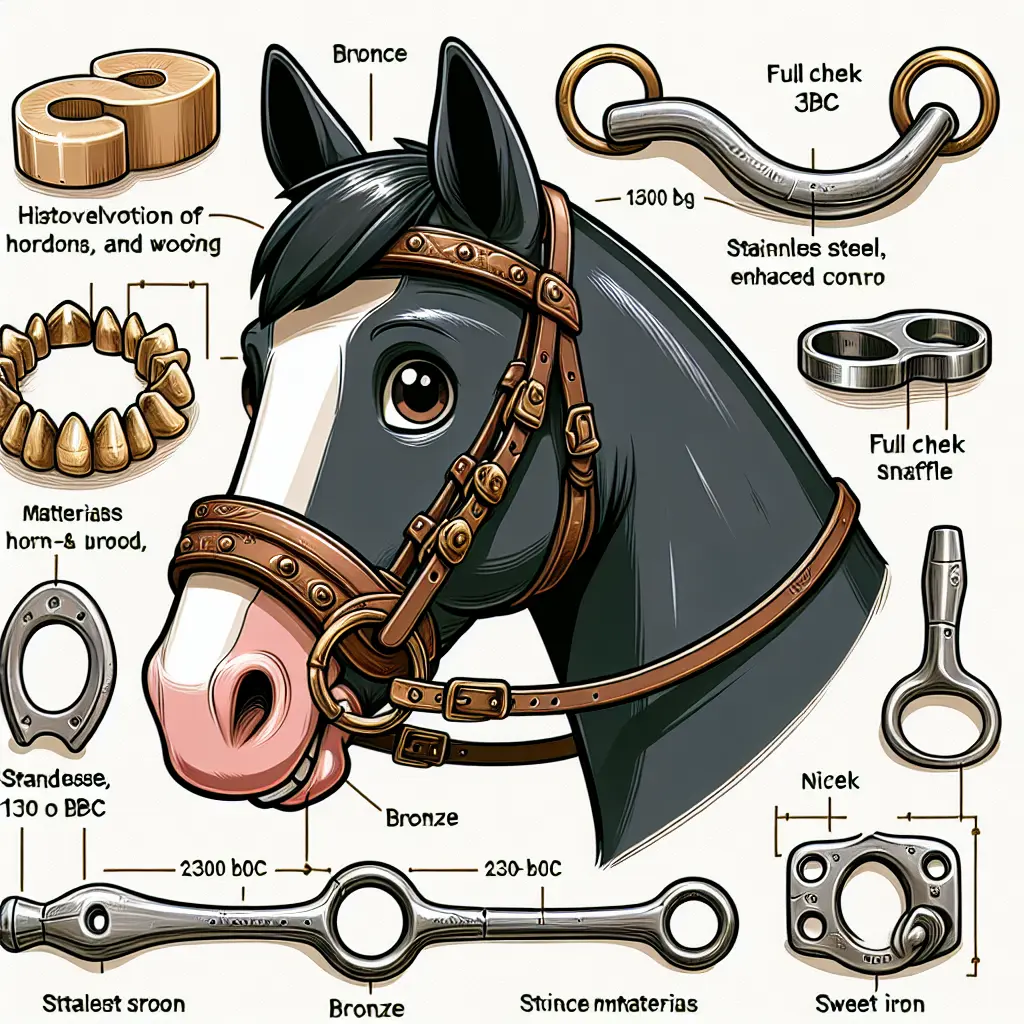
The roots of horse bits sink deep into history, dating back to around 3500 BC. Early horse bits were crafted from basic materials like bone, horn, and wood (source). The introduction of metal in bits, especially bronze, marked a significant leap, emerging between 1300 and 1200 BC.
The evolution of snaffles, such as the full cheek design, signifies the enduring pursuit of effective yet gentle horse control. Initially simple in design, snaffles eventually incorporated a jointed mouthpiece, laying the foundation for modern bits.
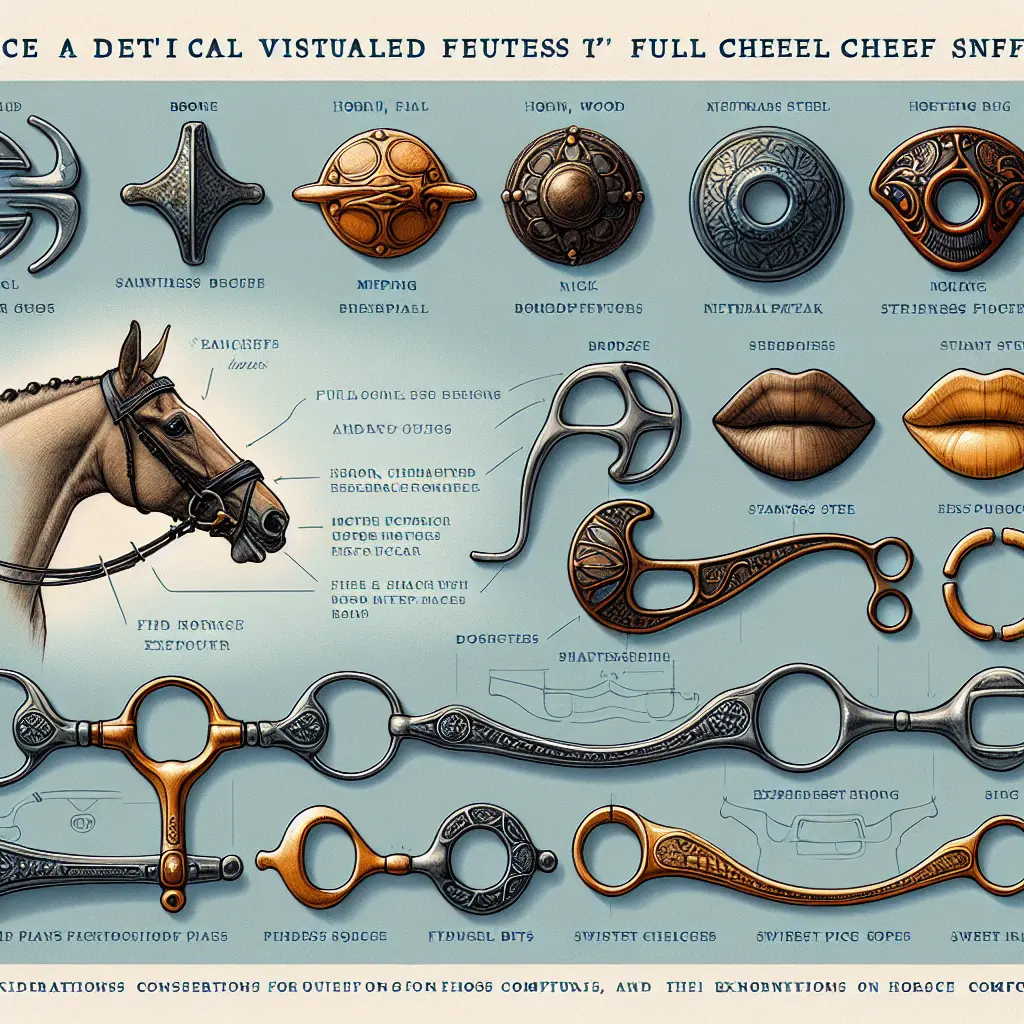
Design and Functionality
Full cheek snaffles are distinguished by their characteristic cheek pieces that extend above and below the mouthpiece. They have defined functions:
- Prevention of Bit Displacement: Ensures the bit doesn’t slip through a horse's mouth, maintaining its position during quick movements or sharp turns.
- Lateral Control: Facilitates enhanced lateral control, assisting riders in steering their horses with precision.
- Comfort: By evenly distributing pressure, they provide increased comfort which is essential for well-being and performance.
Materials and Innovations
Bit material has evolved immensely, transitioning from bronze and copper to stainless steel, nickel, and sweet iron, each offering unique advantages. Sweet iron, for instance, promotes salivation, keeping the horse's mouth relaxed and soft (source).
Mouthpiece styles have also advanced, now featuring variations like single-jointed, double-jointed, and mullen mouthpieces. These cater to diverse equestrian needs, allowing riders to select bits that best suit their horse and riding discipline.»
Versatility in Riding Disciplines
Full cheek snaffles adapt well across various riding disciplines, highlighting their versatility:
Dressage
In dressage, full cheek snaffles are cherished especially in training young horses, or for riders seeking a simpler setup than double bridles (source).
Jumping
The enhanced lateral control offered by full cheek snaffles is advantageous for jumpers, aiding navigation through intricate courses.
Eventing
Eventing requires a dynamic bit that performs consistently across dressage, cross-country, and show jumping, making full cheek snaffles an ideal choice.
Practical Considerations
Several factors should be considered when choosing a full cheek snaffle, contributing to an effective rider-horse relationship.
Mouthpiece Style
The mouthpiece style greatly influences severity and comfort. Single-jointed mouthpieces tend to be harsher, while double-jointed ones distribute pressure more evenly.
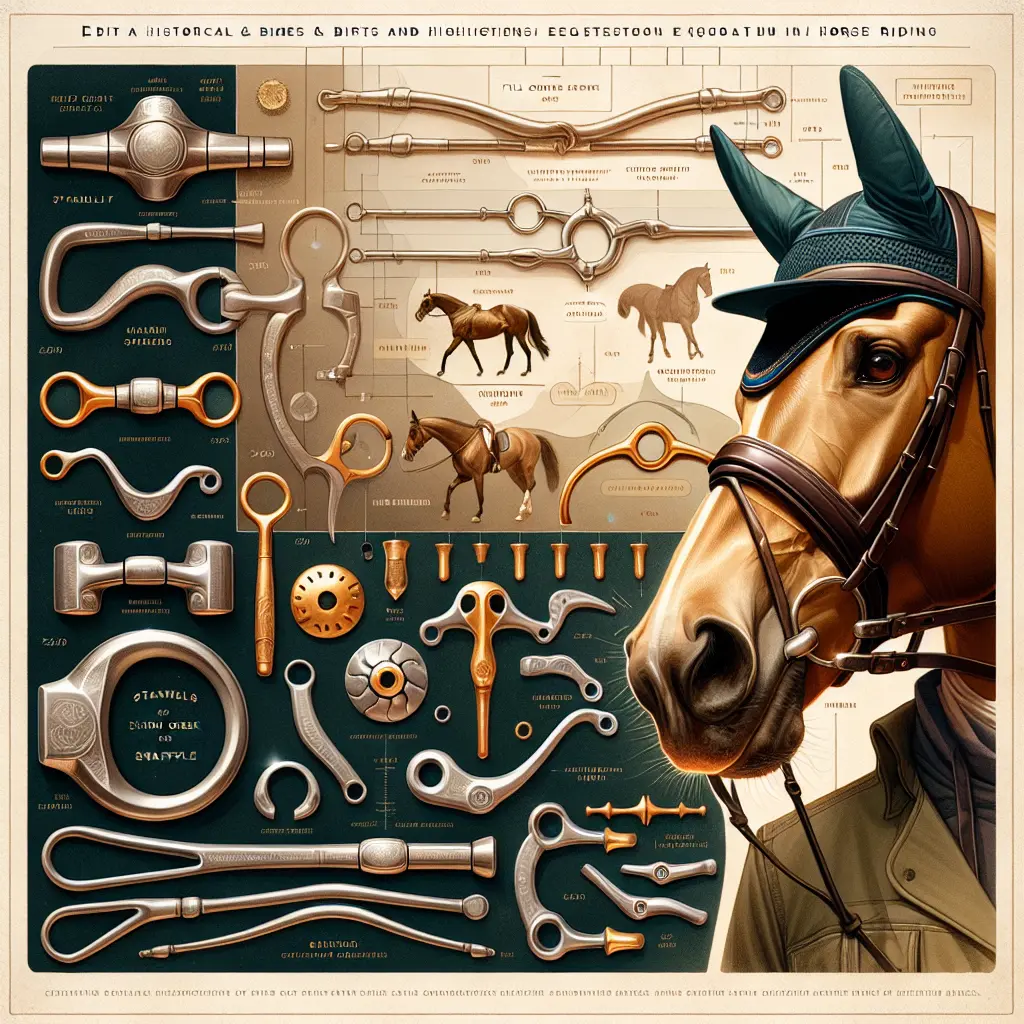
Cheek Piece Length and Style
The style and length of cheek pieces alter the bit's action and comfort.
Material
The choice of material affects the horse's response and comfort. Shining a spotlight on these considerations can enhance the harmony between horse and rider.
Conclusion
In conclusion, full cheek snaffles epitomize the elegance of evolutionary design, balancing control and comfort for diverse equestrian applications. Through understanding their history, intricate design, and varied applications, riders can make informed choices. This elevates the riding experience, ensuring a symbiotic and fulfilling partnership between horse and rider.
For more refined rider gear, explore the Jodhpur Collection, Horse Riding Gloves, and Horse Riding Socks. Further enhance your horse's comfort and performance with Stable Rugs, Turnout Rugs, and Fly Protection. Embrace excellent equestrian partnership with advanced equipment from Just Horse Riders!