

Exploring the Challenges and Opportunities of Year-Round Grass Livery in the UK: A Comprehensive Guide
Introduction
Year-round grass livery in the UK offers an appealing lifestyle for horse owners who wish to provide a natural grazing environment, along with the challenges associated with pasture management across all seasons. This guide delves into the nuances of year-round grass livery, looking at cost, pasture health, horse welfare, and environmental considerations.
What is Year-Round Grass Livery?
Year-round grass livery involves keeping horses outdoors for most of the year. This approach is favored by many in the UK who recognize the benefits of allowing horses more freedom and natural environments. However, maintaining this system requires careful attention to fluctuations in pasture quality and quantity.
Challenges of Year-Round Grass Livery
1. Seasonal Variability in Grass Growth
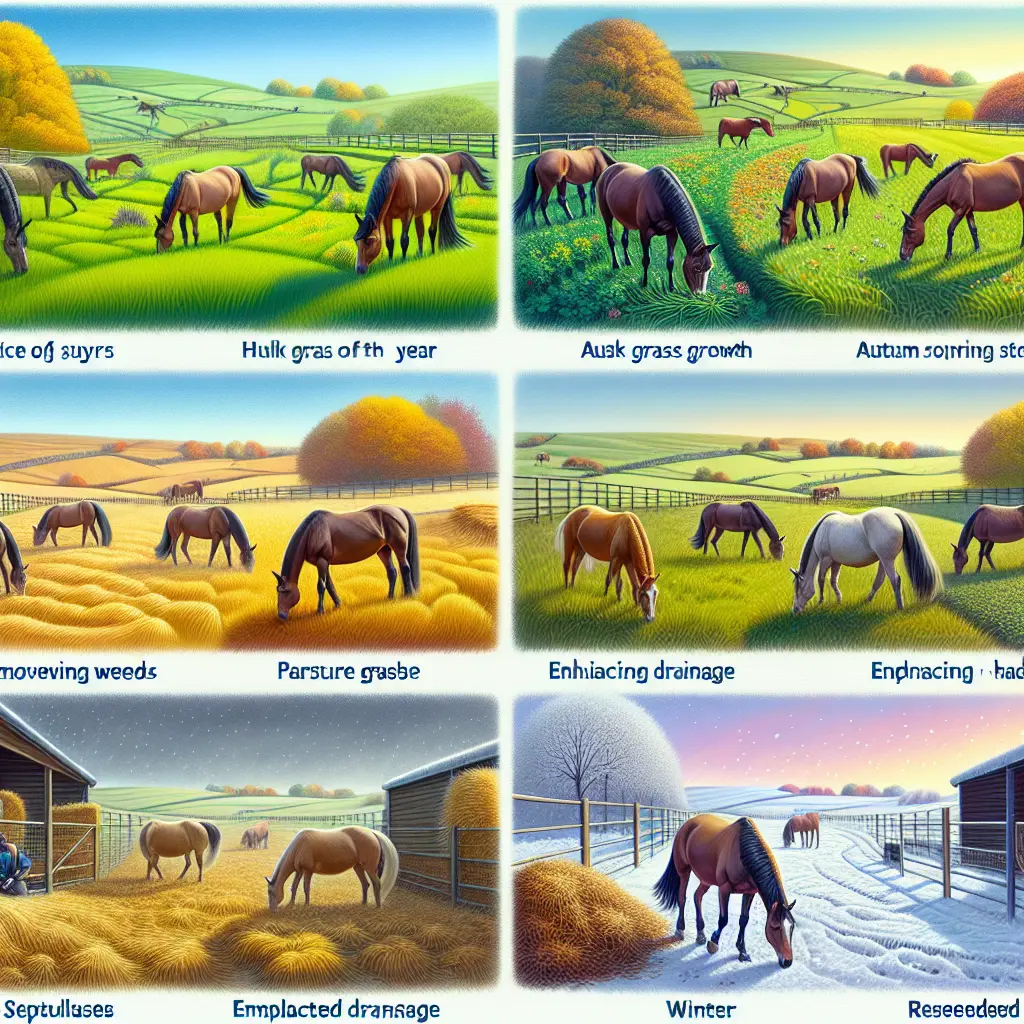
In the UK, grass growth is highly dependent on seasonal weather patterns. Abundant during the spring and early summer, grass growth tends to decline by late autumn, with winter months posing additional challenges[1][5]. This requires horse owners to manage grazing meticulously to prevent overgrazing.
2. Pasture Management Requirements
Active pasture management is essential to maintaining healthy grazing land:
- Elimination of poisonous weeds and toxic plants, such as ragwort[3].
- Routinely reseeding damaged areas to ensure soil fertility
- Implementing adequate drainage systems to tackle mud-related problems
- Providing artificial or natural shelters to protect horses against harsh weather[3].
3. Winter Grazing Limitations
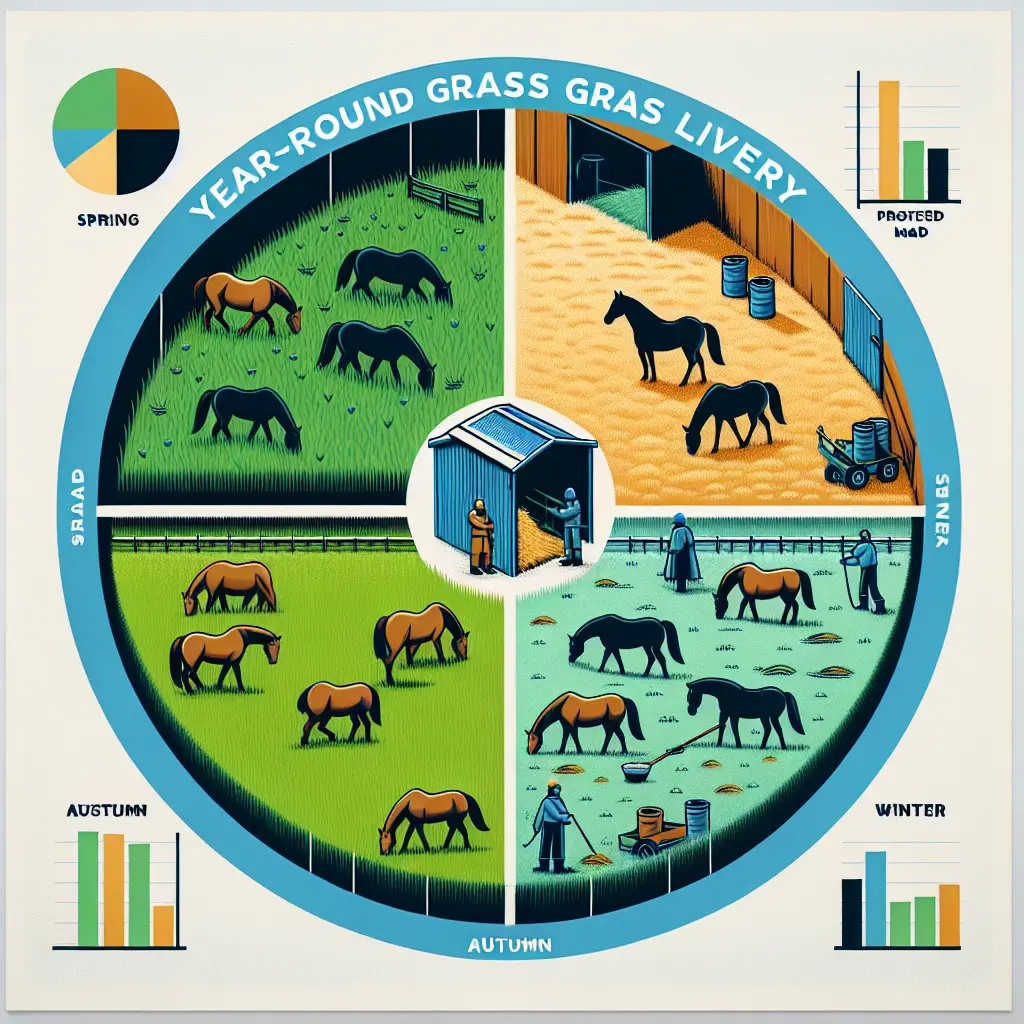
Winter presents significant obstacles, as some yards restrict turnout to preserve pasture quality[2]. This often results in increased use of stabling, adding costs for bedding and feed, and complicating management due to manure and urine generation.
4. Horse Health and Behavior Considerations
While constant grazing can enhance mental well-being and digestion, horses predisposed to laminitis need tightly managed diets[3]. Additionally, turnout limitations in adverse weather may provoke stress in horses that thrive on constant outdoor access[2].
Opportunities Presented by Year-Round Grass Livery
1. Cost Efficiency Compared to Full Livery
Grass livery is typically more affordable than stabled full livery, costing £20-£25 per week versus over £100 for full livery[4]. This provides a compelling option for budget-conscious owners who prioritize outdoor living for their horses.
2. Natural Horse Welfare Benefits
Continuous turnout aligns with natural horse behaviors, promoting exercise and reducing stress. This can mitigate stable-related behaviors like crib biting and positively impact physical health outcomes[2][3].
3. Pasture Rotation and Multi-Paddock Systems
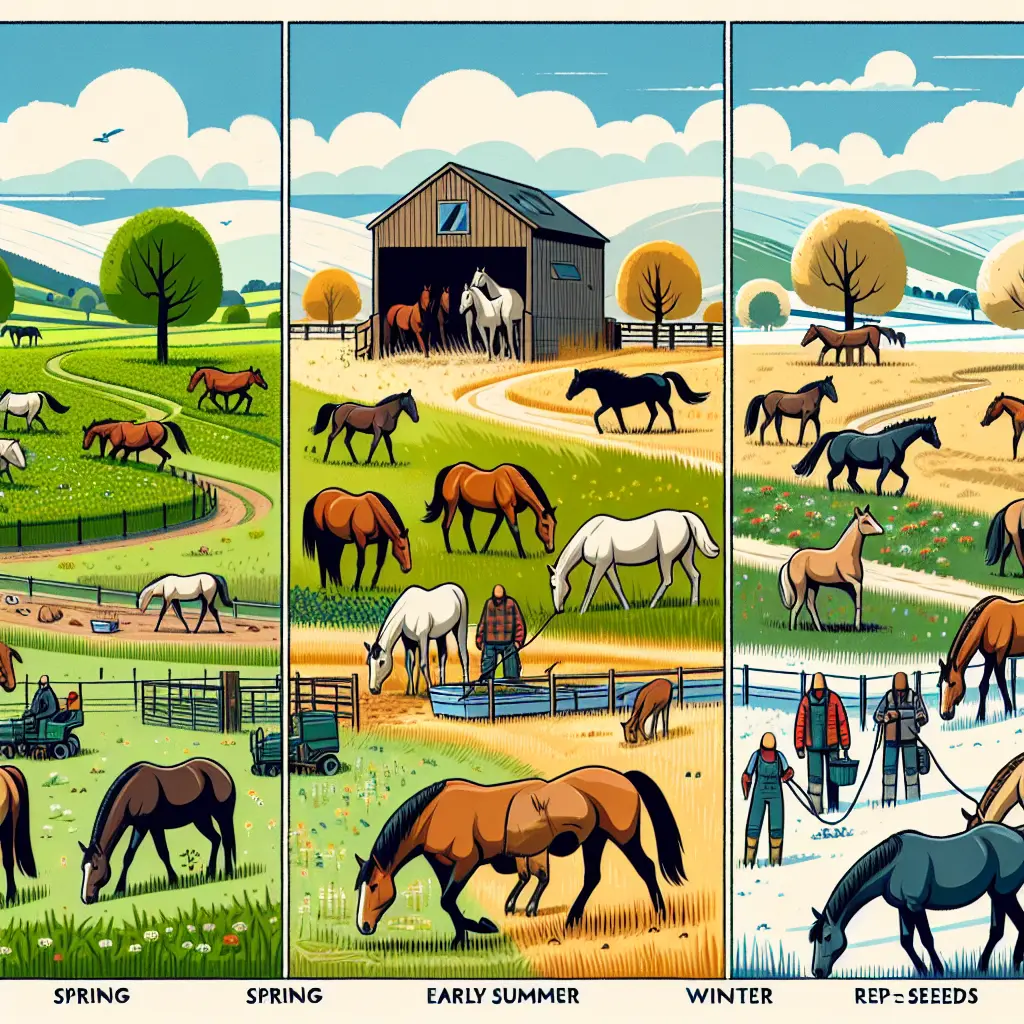
Yards using rotational grazing effectively manage pasture health. Implementing systems that allow for different paddocks during summer and winter preserves grass longevity and quality[2].
Practical Tips for Optimizing Year-Round Grass Livery
- Understand winter turnout policies and alternative arrangements for adverse weather[2].
- Leverage ad-lib hay when grass yields are low[2][3].
- Commit to seasonal pasture maintenance with weed control and proper drainage[3].
- Invest in shelters, such as turnout and stable rugs, to extend outdoor time[3].
- Regularly monitor the horse's weight and adjust grazing based on their specific health conditions[3].
Recent Data and Trends in UK Grass Growth
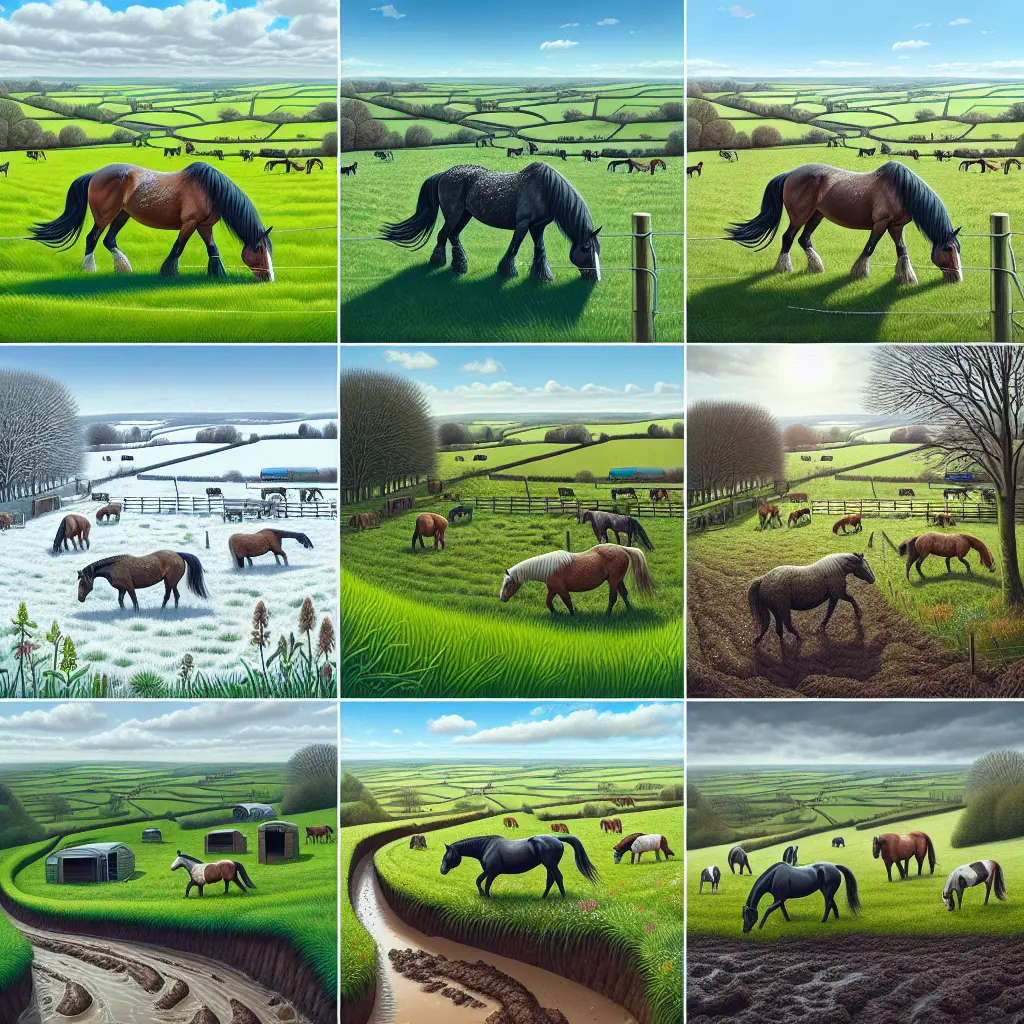
In 2025, grass growth across the UK has been strong, comparing favorably to historical averages[1][5]. Although spring and early summer conditions offer lucrative grazing, vigilance remains key during late autumn and winter. The AHDB's interactive grass growth dashboard provides yard managers with real-time data to optimize grazing strategies[5].
Conclusion
Year-round grass livery in the UK offers a cost-effective, welfare-focused alternative to intensive stabling. With a structured approach to pasture management, turnout regimes, and horse monitoring, this model can yield substantial benefits for both horses and owners.
References for Further Reading and Authority Linking:
- Grass Growth Update 2025 – AskAnimalweb reports on UK grass growth trends.
- Winter-Proof Livery Yard Insights – Horsemart highlights turnout challenges.
- Pasture Management by BHS – British Horse Society seasonal care guide.
- UK Livery Costs Overview – JustHorseRiders provides cost comparisons.
- AHDB Forage Knowledge – grass growth data and management tools.