

Should I Retire My Horse? A Comprehensive Guide to Making Tough Decisions in Equine Care
Deciding when to retire a horse is among the most challenging tasks for any horse owner or caretaker. Unlike humans, horses don’t have a defined retirement age. Instead, multiple factors like health, quality of life, and intended usage can decide. This comprehensive guide will help you navigate through the key considerations, common reasons for retirement, and valuable advice backed by research.
Understanding Horse Retirement: No Fixed Age, But Many Factors
Horses differ from humans as they have no fixed age for retirement. Physical condition relative to workload is the most important factor rather than age, as noted by veterinarian Dr. Reynolds Cowles. Some horses thrive into their mid-20s, while others may need early retirement due to musculoskeletal issues.
The typical lifespan of a horse is approximately 25-30 years, with many experiencing multiple careers. Research indicates that a large percentage of horses retire between ages 15 and 24, usually due to health decline or performance issues.
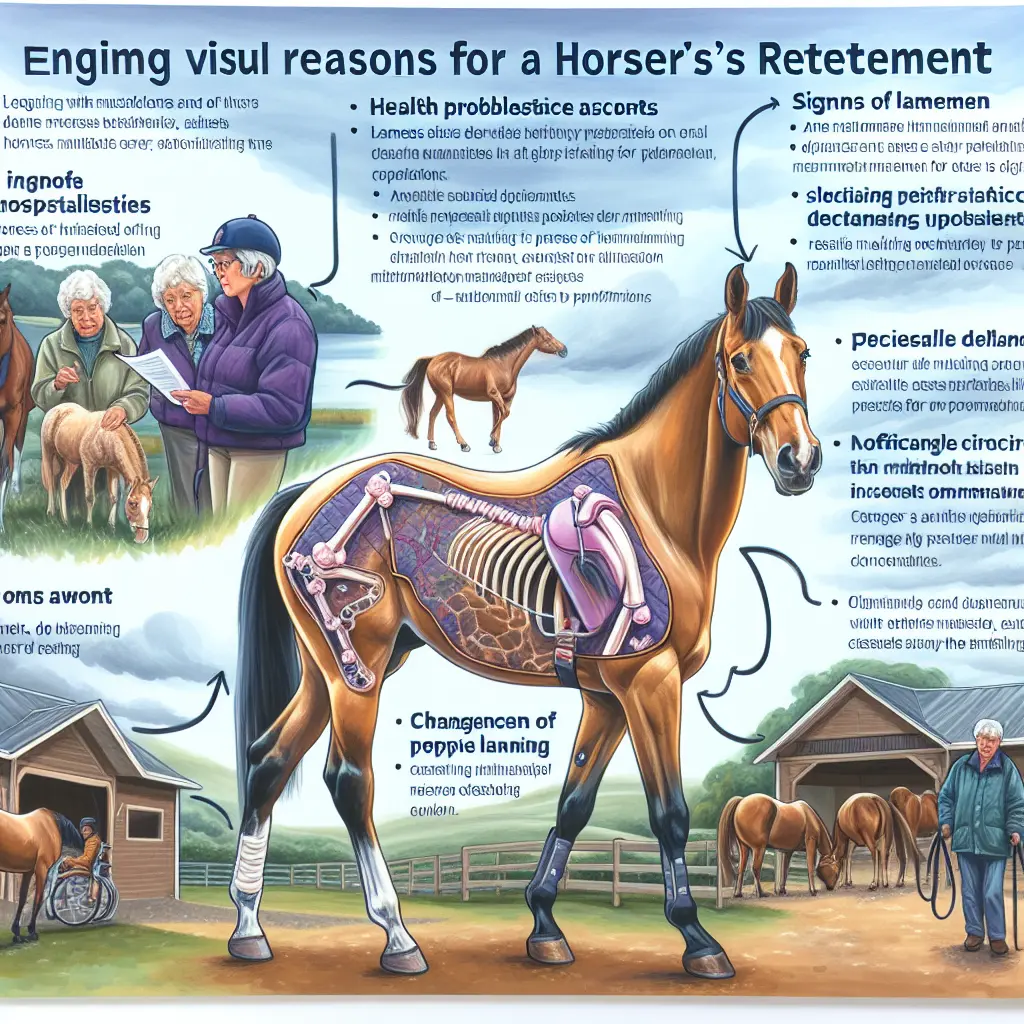
Common Reasons for Retirement
-
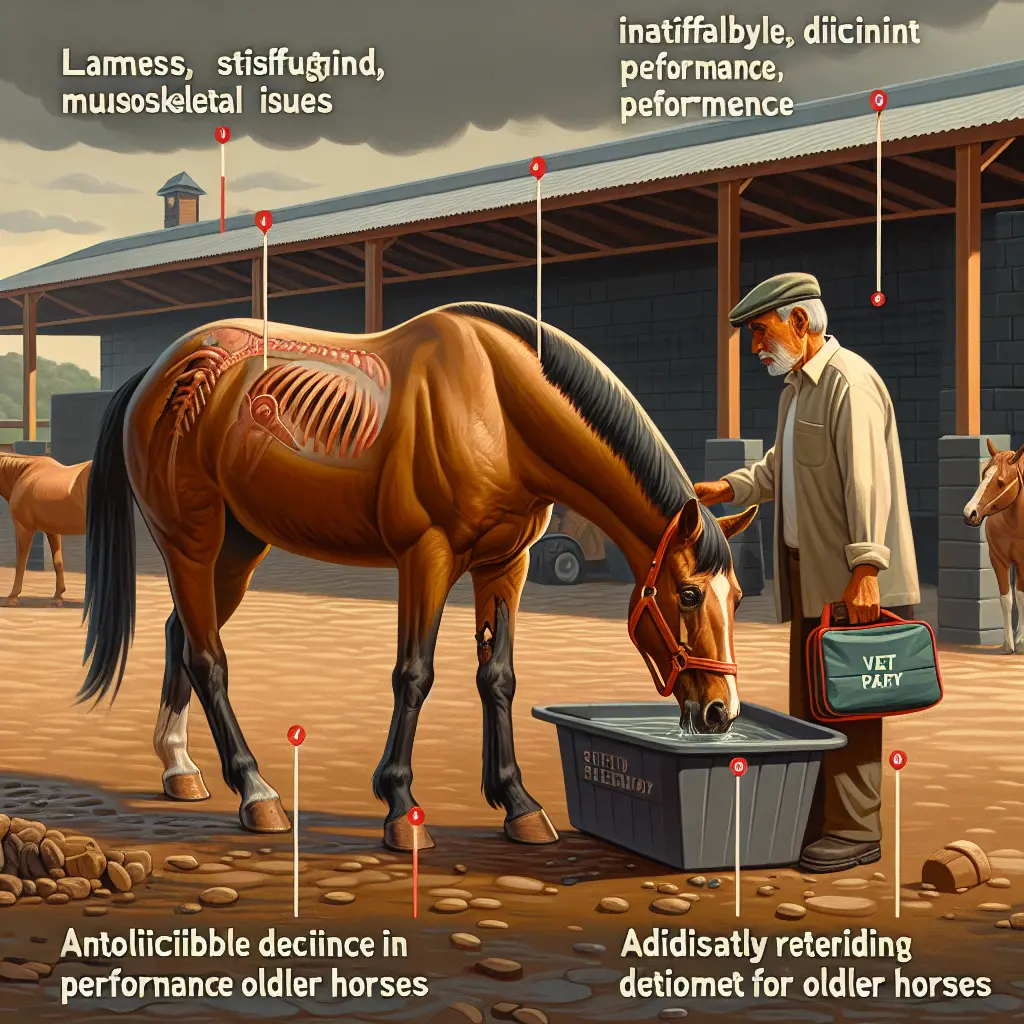
Lameness and Musculoskeletal Issues
Lameness is the primary reason for horse retirement. Injuries, chronic soreness, and degenerative conditions like arthritis can reduce performance and cause pain. -
Health Problems
Other health concerns such as metabolic disorders, vision impairments, and cardiovascular issues can also necessitate retirement to ensure welfare. -
Decline in Performance or Motivation
A horse showing signs of reluctance or speed decline may be facing physical limitations. Monitoring these changes is vital to prevent stress. -
Owner-Driven Decisions
Retirement can be voluntary, spurred by career changes or the availability of replacement horses. Voluntarily retired horses often have better repurposing outcomes.
Voluntary vs. Involuntary Retirement: What It Means for Your Horse
A study on retired racehorses indicates that voluntary retirement leads to more successful transitions to other activities compared to involuntary retirement due to injuries. Although the final outcomes for pleasure or breeding horses are not significantly different, planning ahead ensures smoother retirement transitions. (Source).
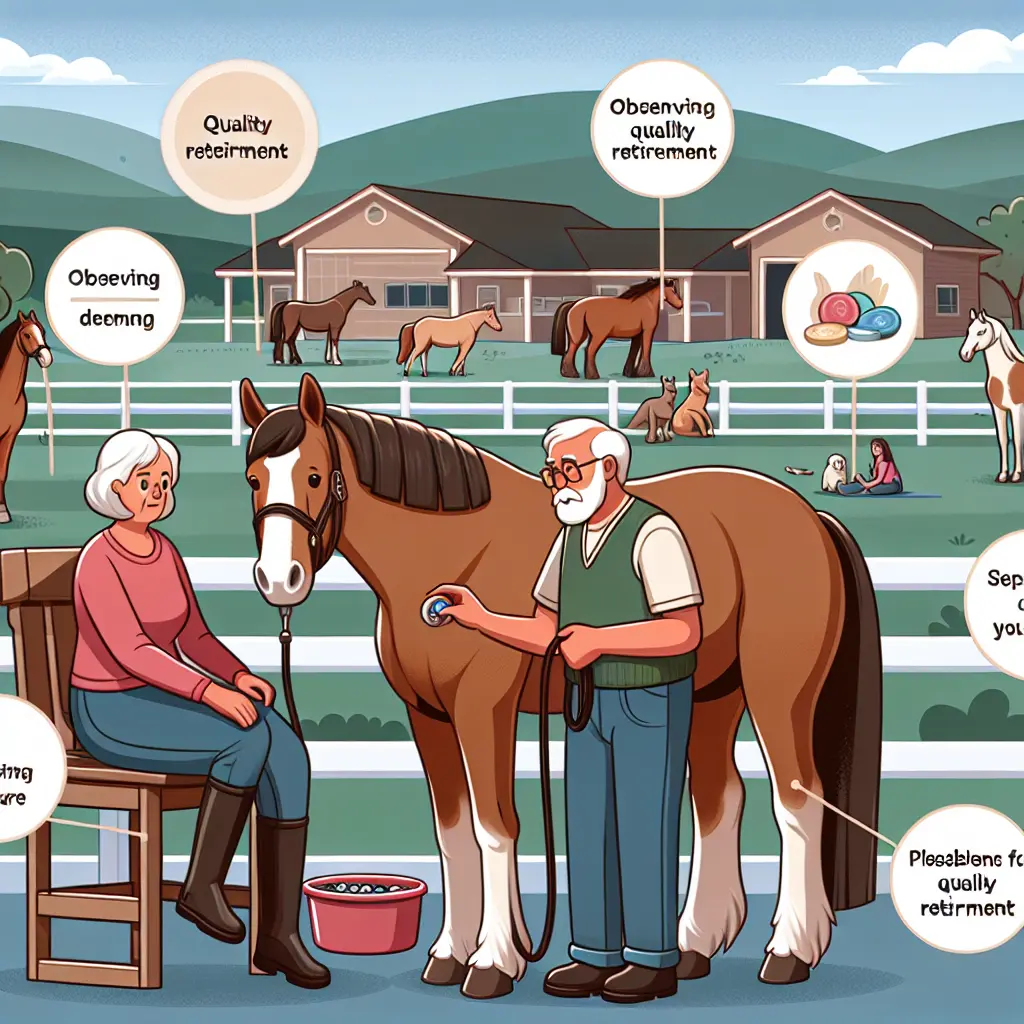
Signs Your Horse May Be Ready for Retirement
- Persistent lameness or stiffness that doesn’t heal with rest or treatment.
- Noticeable decline in performance or willingness to work.
- Weight loss or difficulty maintaining condition despite good nutrition.
- Chronic issues such as arthritis, Cushing’s disease, or respiratory problems.
- Behavioral changes linked to discomfort or stress.
These signs should lead to a veterinary consultation for a detailed assessment of your horse’s health and retirement options.
Planning for a Quality Retirement
Retirement isn’t just about ceasing work but ensuring well-being and quality of life in their golden years. Each horse's needs vary; some may ride for pleasure, while others become companion animals or breeders.
Key Steps to Take:
- Veterinary Care: Regular checkups, dental care, and managing chronic conditions for comfort.
- Diet and Nutrition: Older horses might need specialized diets that support joint health and digestion.
- Comfortable Environment: Provide adequate shelter, non-slip footing, and social interaction.
- Mental Stimulation: Even retired horses benefit from mental engagement through grooming, turnout, or light work if possible.
Explore products that can help ease the transition into retirement, such as the Stable Rugs collection for cozy comfort or Jodhpur Collection for adaptable warmth during light work.
Conclusion: Make the Decision with Compassion and Expert Guidance
Making the decision to retire your horse is complex, involving the balance of physical health, mental wellbeing, and intended use. There’s no specific age or formula, rather an attentive observation and veterinary support are cornerstone guidelines. With informed planning, you can ensure a dignified and comfortable retirement for your horse.
Staying abreast with the latest research and keeping health at the core of decisions lead to the best outcomes. With reliable information, you can confidently answer the ever-persistent question: Should I retire my horse?. Always prioritize your horse's health and happiness in every decision.