

Why Consider an Older Horse?
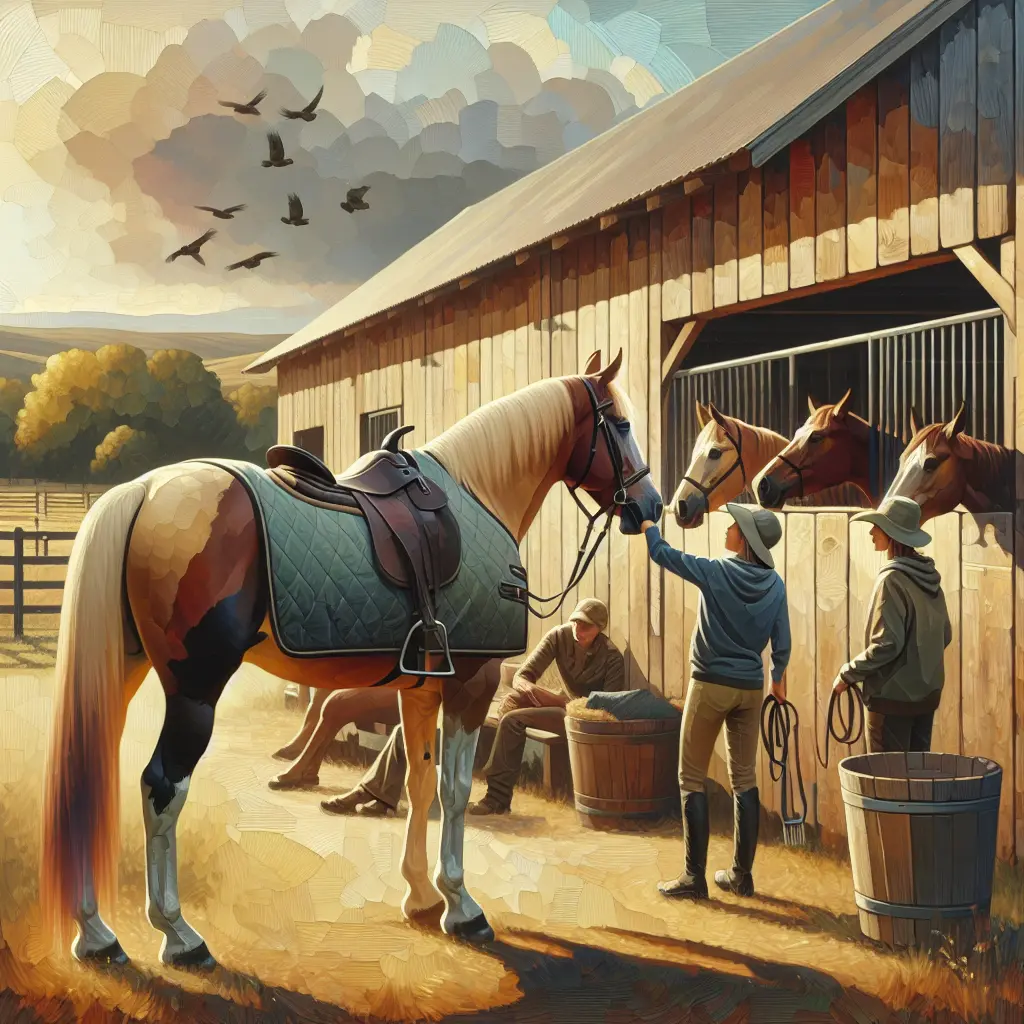
Adopting an older horse is a significant decision that comes with unique challenges and rewards. For many, the idea of offering a loving home to a horse in its golden years is deeply fulfilling. But what should you know before taking this step? This article delves into the pros and cons of owning a senior horse, what to ask before you adopt, financial considerations, and resources that can help guide your decision-making process.
The Pros of Owning an Older Horse
Experience and Temperament
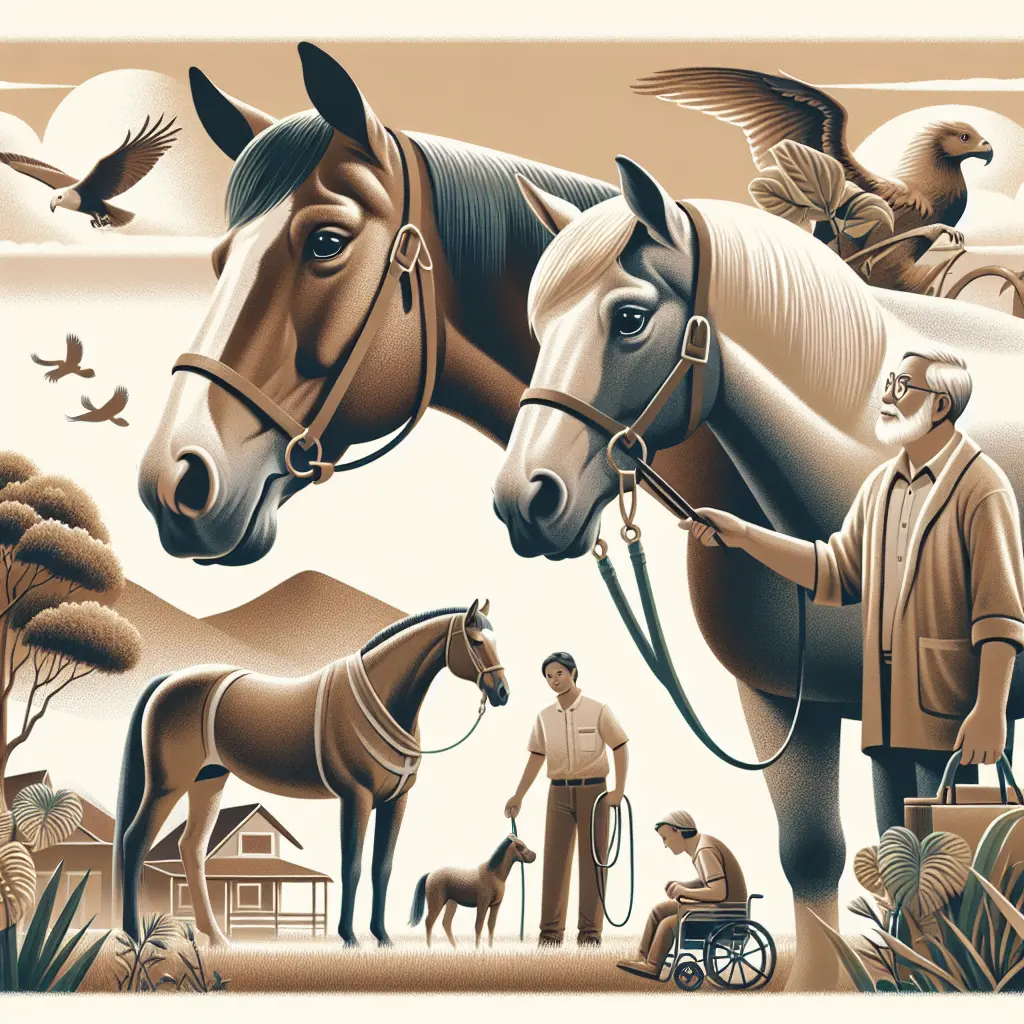
Senior horses often come with years of experience, making them calm and confident. Generally, they are easier to handle than their younger counterparts. This can be especially valuable for first-time horse owners or families with children, as older horses can patiently teach the basics of grooming, handling, and care.
Immediate Companionship
An older horse can be ready to enjoy your company right away, without the need for extensive training a young horse might require. Many older horses enjoy being ridden, participating in light activities, or simply serving as a companion—either to people or to other horses.
Making a Difference
Adopting a senior horse is often seen as a compassionate choice. Many older horses in rescue have survived neglect or abuse and deserve a safe, loving retirement. By choosing adoption, you’re giving a horse a second chance and a dignified later life.
Calming Influence
Older horses often have a stabilizing effect on herds, helping to calm younger, more energetic horses. Their presence can improve the overall dynamic of a barn.
The Cons of Owning an Older Horse
Health and Veterinary Needs
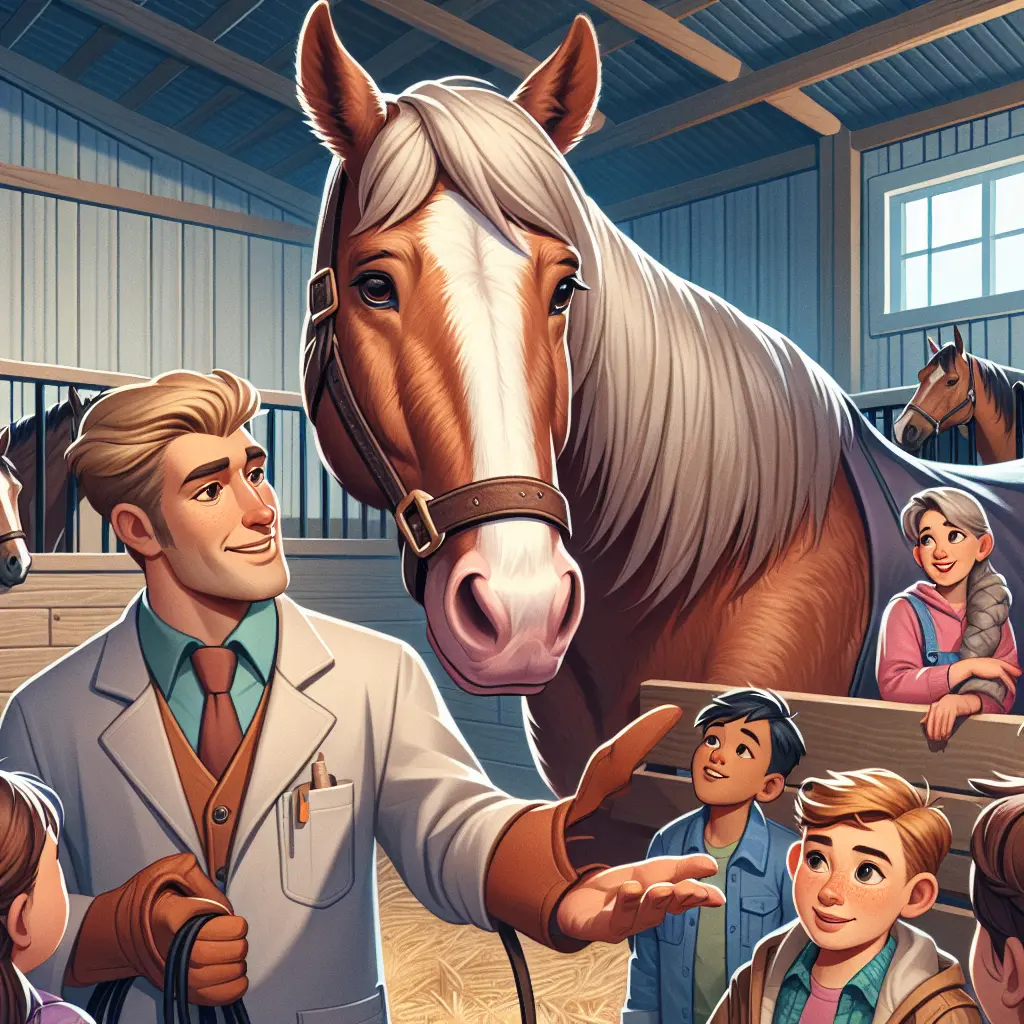
Older horses are more likely to have age-related health issues, such as arthritis, dental problems, or metabolic conditions. These conditions can mean higher veterinary bills and more specialized care. Regular check-ups and possible medications are often part of the package.
Limited Riding Years
While many seniors can still be ridden lightly, their working years may be shorter or already behind them. If you’re looking for a horse for intense riding or competition, an older horse might not be the best fit.
End-of-Life Considerations
Caring for a senior horse also means preparing for end-of-life decisions, which can be emotionally and financially challenging. The cost of euthanasia and carcass removal can be significant, sometimes exceeding $1,000 in some regions. However, some rescues offer financial support for these expenses to adopters.
Potential for Hidden Issues
While most rescues provide thorough health assessments, some older horses may have unresolved behavioral or medical issues that aren’t immediately apparent. It’s important to adopt from reputable organizations that provide full disclosure.

What to Ask Before You Adopt
- What is the horse’s current health status? - Ask for veterinary records and a recent health assessment.
- What is the horse’s behavioral history? - Has the horse been around children, other animals, or in different environments?
- What ongoing care will the horse need? - Are there special dietary needs, medications, or supplements?
- What is included in the adoption? - Some organizations provide full vet care, feeding plans, and even end-of-life support.
- What is the rescue’s policy if the adoption doesn’t work out? - Understand the return policy and support offered by the organization.
- What are the real costs of ownership? - Beyond the adoption fee, factor in feed, farrier care, veterinary expenses, and potential end-of-life costs.
- Why is the horse available for adoption? - Understanding the horse’s background can help you prepare for any special needs.
Facts and Figures
Adoption Potential: Research suggests there are about 1.2 to 1.25 million households in the U.S. with the interest and perceived capacity to adopt a homeless horse. This indicates a large pool of potential homes if awareness and support are increased.
Senior Horse Demographics: Many older horses end up in rescues due to affordability issues, owner life changes, or because the horse can no longer perform as expected.
Cost Considerations: End-of-life care for horses can be costly, but some rescues offer financial assistance to adopters to help offset these expenses.
Final Thoughts
Adopting an older horse can be one of the most rewarding experiences for the right person. It offers the chance to provide love and security to an animal in need while benefiting from the wisdom and calm that comes with age. However, it’s essential to go in with eyes open, understanding the responsibilities and potential challenges.
If you’re considering this path, reach out to reputable rescues, ask thorough questions, and make sure you’re prepared for both the joys and the realities of senior horse ownership. Your decision could change—and possibly save—a life.
Key Resources for Further Reading
- ASPCA Pro: Encouraging Research Regarding Homes for Horses—Statistics on potential adopters and the scale of the issue.
- ASPCA: A Golden Choice; Adopt a Senior Horse!—Benefits and considerations for adopting older horses.
- Save a Forgotten Equine (SAFE): Adopting a Companion Horse—Details on adoption support, costs, and what to expect when adopting a senior horse.
- PMC (PubMed Central): Estimating the Availability of Potential Homes for Unwanted Horses—Research on demographics and reasons for horse abandonment.