

Why Won't My Horse Eat Carrots? Uncovering the Mystery
Understanding why a horse suddenly refuses to eat carrots involves exploring several potential causes ranging from health issues to dietary sensitivities and behavioral factors. While carrots are generally a favored treat for horses, refusal can signal underlying problems that merit attention to ensure your horse's well-being.
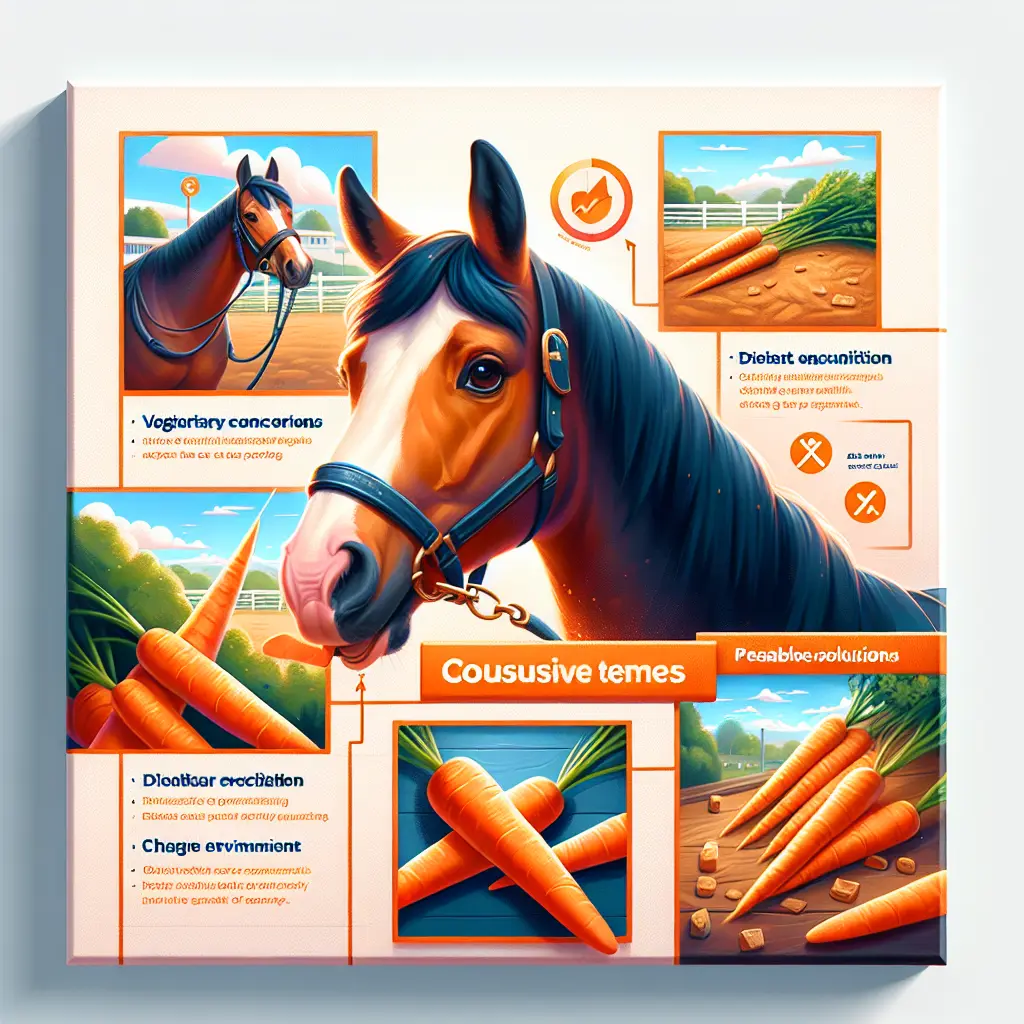
Health Concerns
A horse’s sudden refusal of a usual treat like carrots might indicate illness or discomfort. According to equine health experts, loss of appetite can be an early sign of conditions such as dental problems, gastrointestinal distress, or systemic illness (fever, elevated heart rate) that warrant veterinary evaluation. For example, ponies with a history of laminitis might become more selective with treats, especially those containing sugars.
Dietary Restrictions or Sensitivities
Some horses are on special diets that limit sugar and starch intake due to metabolic issues or allergies. Carrots have approximately 6-7.5% combined sugar and starch on a fresh weight basis, which is higher than some alternative feeds and can affect sensitive horses, such as those prone to laminitis or insulin dysregulation[1][2]. Facilities managing therapy or adaptive riding horses may enforce low-starch or no-treat protocols for dietary control and digestive health.
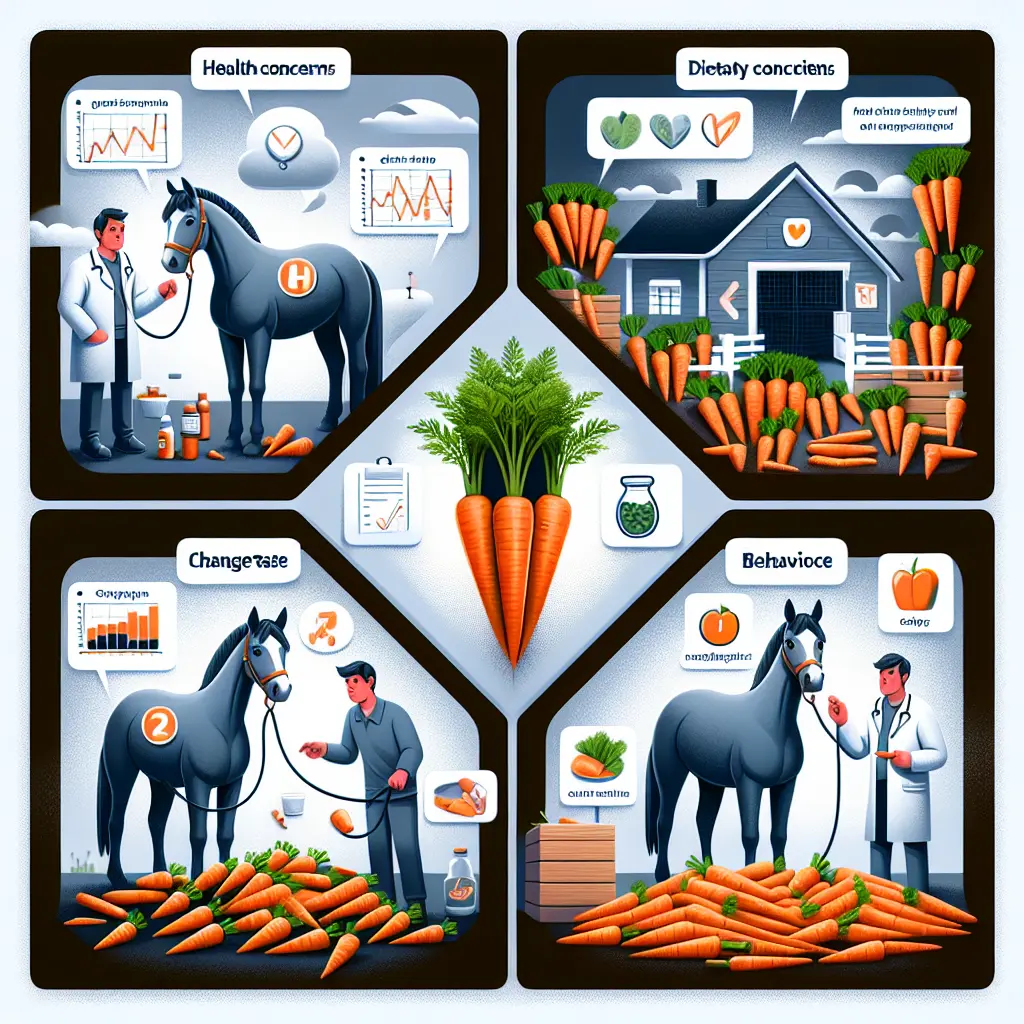
Change in Taste or Palatability
Horses have keen senses and may reject food that smells, tastes, or feels different. Changes in carrot freshness, texture, or contamination with dirt or mold can deter a horse. Similarly, feed changes affecting other parts of their diet could influence their treat preferences[4].
Behavioral Factors
A horse’s refusal could stem from behavioral issues such as stress, boredom, or a reaction to environmental changes. A horse walking away from a handler or behaving unusually may also reflect discomfort or anxiety rather than simple treat rejection.
Potential Solutions and Best Practices
Veterinary Check-Up
If refusal is sudden and accompanied by other symptoms (lethargy, changes in stool, or dental issues), seek veterinary advice promptly for diagnosis and treatment. A prompt check-up can help rule out significant health issues and provide peace of mind for the horse owner.
Evaluate Diet and Treats
Review the horse’s diet with an equine nutritionist to ensure treats like carrots fit safely into their nutritional needs. For sensitive horses, consider low-sugar alternatives such as certain commercial low-starch treatsa href="https://www.laminitis.site/" target="_blank">[1][2], especially if under veterinary or program-specific dietary restrictions.
Carrot Preparation
Cut carrots into appropriate sizes to reduce choking risk and increase appeal. Offering fresh, clean carrots without spoilage maintains palatability. Taking such precautions ensures treats remain a joy and not a hazard.
Observation and Environment
Assess your horse’s environment and stress levels; changes at the barn or in routine can affect feeding behavior. Restructure their surroundings to provide comfort and familiarity, which can ease issues related to eating.
Moderation
Treats should remain an occasional complement, not a dietary staple, to prevent imbalanced feeding and health risks such as weight gain and laminitis. Moderation in treating ensures maintaining a well-rounded and structured diet for your equine companion.
Conclusion
Understanding why your horse might refuse to eat carrots can involve a few different factors, from health concerns and dietary restrictions to behavioral cues. Observing your horse's habits and consulting with professionals can guide you in offering the best care. To explore more about equine nutrition or find suitable horse treats, visit Just Horse Riders.