Understanding Equine Leaky Gut Syndrome
Leaky gut syndrome, or gastrointestinal hyperpermeability, is more than just an issue for horses—it can be a downright nuisance. Picture your trusty steed munching on hay, blissfully unaware that unwelcome molecules could be slipping through the gut lining like sneaky party crashers. This condition allows larger molecules—think toxins and let that ominous music play—into the bloodstream, causing chaos in the form of inflammation and metabolic woes. For horses, constant stress from activities like racing or trailering only adds fuel to the fire, exacerbating the situation.Stress and Its Gut-Wrenching Impact
In a study that could be made into a blockbuster drama, Dr. Wendy Pearson and her team at the University of Guelph used the stress of trailering and exercise to reveal the dastardly effects of stress on equine gut health. By measuring the levels of iohexol—a compound large enough to be normally blocked by the intestinal wall—they found increased levels in horses subjected to stress. This increase confirmed that stress significantly enhances gut permeability, transforming one’s trusty steed into a leaky sieve under the right dire circumstances.Introducing the Hero: Aspergillus oryzae Prebiotic
Enter, stage left, our gastro-protective hero: a prebiotic derived from *Aspergillus oryzae*. This fungal entity is no villain; it’s a helper used in foods like soybean paste, and it takes center stage in reducing gastrointestinal permeability. In a study that makes any star-studded sequel jealous, horses supplemented with this prebiotic for 28 days showed nearly miraculous results—almost completely avoiding increased gut permeability, even under stress.How Does This Magical Mushroom Work?
Think of the prebiotic as a well-meaning guest at a party who refills your punch and makes sure everyone’s having a good time. It nourishes the good bacteria in the gut, ensuring they're large in number and enthusiastic in their microbial party-going, while preventing the bad bacteria from taking over. This helps maintain a happy gut environment, potentially reducing incidents of digestive disruption and providing anti-inflammatory benefits. So, it’s less of a magical mushroom and more of a really reliable party planner.Practical Applications for Horse Owners
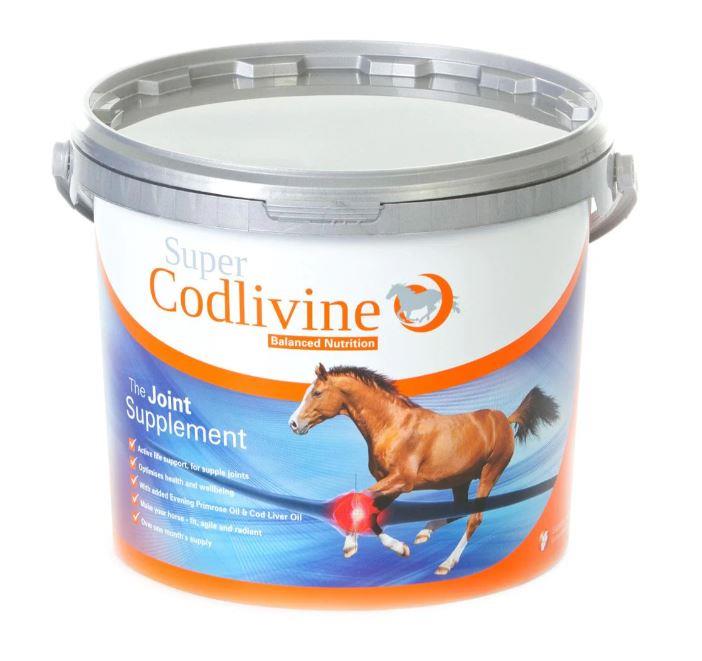
Horse owners, let’s talk straight. The prebiotic supplement from *Aspergillus oryzae* could be your horse’s best friend—right up there with sugar cubes and the neighbor’s carrot stash. Stress-prone horses, such as those dazzling in show or racing circles, would especially benefit from adding this supplement to their diet. Just a sprinkle a day—think of it like dusting a cupcake with just the right amount of icing sugar—could keep your four-legged friend’s gut health moving in the right direction.Key Considerations for Better Gut Health
Improving equine gut health isn’t all about supplements (though wouldn’t that be easy!). Consider these strategies:- Introduce diet formulations specifically crafted to boost gut health.
- Implement stress management practices to reduce gastrointestinal disruptions further.
- Keep track of new, ongoing research into the effects of prebiotics on equine health.
- Consult with equine nutritionists to understand how best to incorporate supplementary feeds.