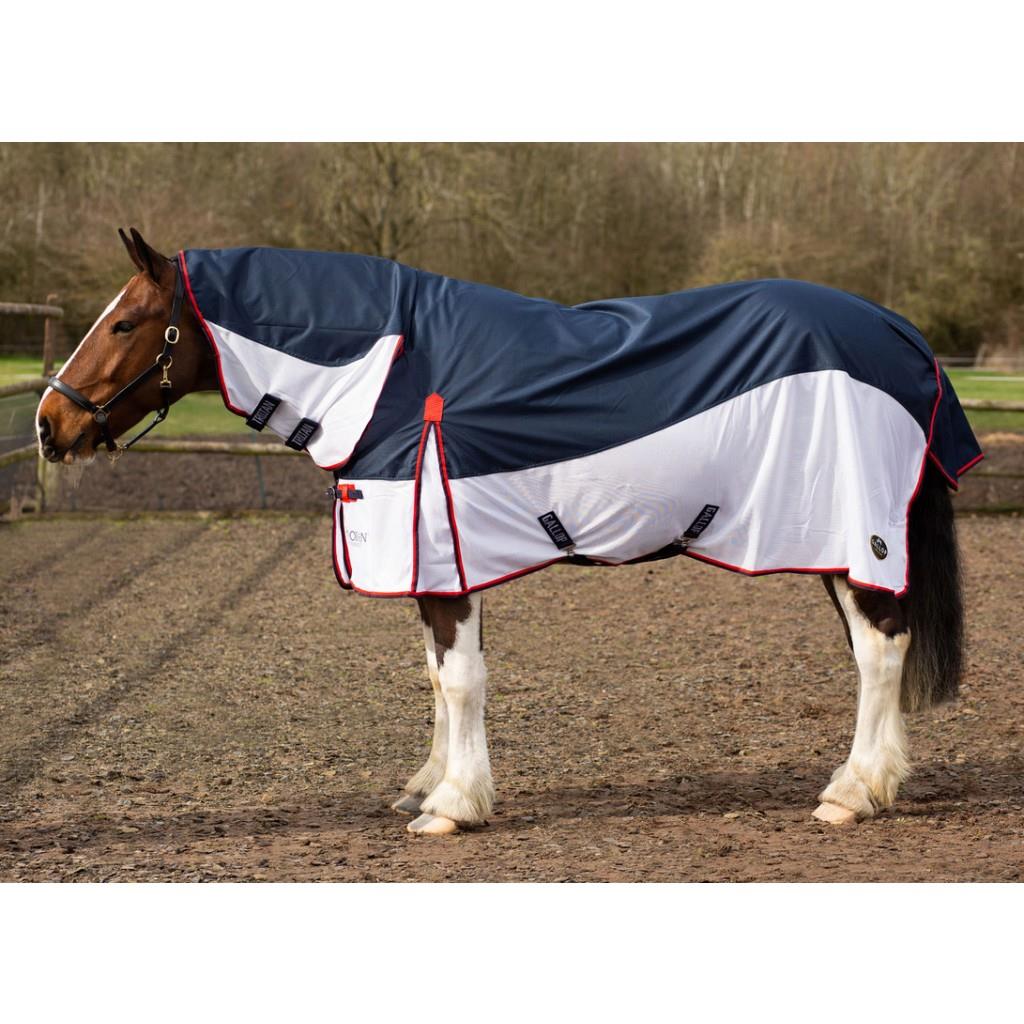
The Unsettling Truth about Equine Infectious Anemia (EIA)
You might have thought that pandemics are exclusive to humans, but even our beloved equine friends can face similar health crises. Equine Infectious Anemia (EIA) is a stark reminder of this fact. Recently, an unsettling case in Alberta, Canada has put this disease back under the microscope. Let’s delve into the details about EIA, why it’s problematic, and how the horse community is handling it.
What is Equine Infectious Anemia?
EIA might sound like a futuristic sci-fi virus, but this retrovirus, much like human HIV, takes no prisoners in the animal kingdom. It ravages a horse's immune system, leading to weight loss, muscle weakness, poor stamina, fever, depression, and anemia. All very unpleasant symptoms that no horse should have to endure.
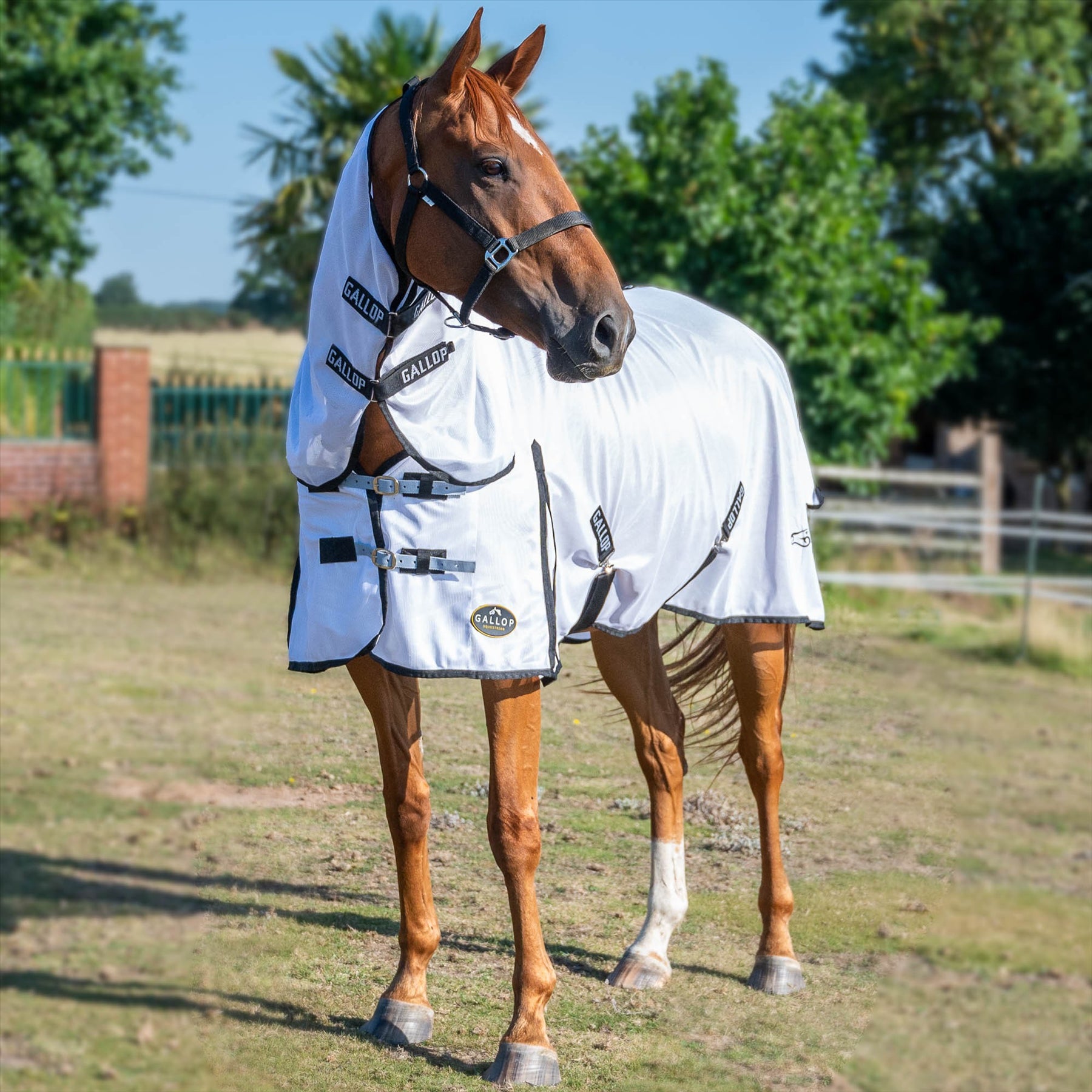
The villain of this medical drama? Blood-feeding insects like horseflies, unwitting couriers of this virus, who spread it through their thirsty quest for a blood snack. Sadly, unlike the over-the-counter treatments for our common cold, there’s no vaccine for EIA, pushing veterinarians toward solutions that are draconian at best.
The Alberta Incident: A Wake-Up Call
On May 28, 2025, a horse in Clearwater County, Alberta, tested positive for EIA, a diagnosis that sent shockwaves through the local equine community. The infected horse was swiftly placed under quarantine, as were its stablemates who shared the potential exposure risk. For those horses, 'social distancing' became a very real barn rule, as drastic measures were implemented to prevent a larger outbreak.
For many horses, testing positive for EIA is a life sentence—an unfortunate series of quarantine measures or, in some instances, euthanasia, as difficult decisions aim to protect the greater equine population.
Tools and Tests: The Coggins Test
Enter the Coggins test, a crucial screening tool used to detect EIA antibodies in a horse’s blood. This test is mandatory for horses traveling between many U.S. states, underscoring its importance. The fact that such stringent testing is required demonstrates the high stakes involved in managing this disease.
A bit akin to a detective sniffing out clues, the Coggins test helps ensure horses are cleared from the risk of carrying EIA before they hit the road. While it’s a step towards disease control, the reliance on proactive testing means vigilance is key.
Tackling EIA: Where Science Meets Strategy
Currently, managing EIA feels a bit like juggling flaming torches—one wrong move and things can get out of hand fast. Veterinarians and equine health professionals have their hands full with tracking, managing, and controlling this disease. Any infected horse becomes a potential reservoir for the virus, meaning preventive measures and strict quarantine remain crucial.
The role of organizations like the Equine Disease Communication Center (EDCC) comes into play here, showcasing the power of collaboration and information sharing. Their open-access updates keep horse owners and health professionals alike informed of current case statuses and emerging threats. Think of it as your equine health news hotline!
Research and Development: Future Directions
If only a crystal ball could predict when and how a vaccine might emerge. But until then, advancements in research continue to be our hopeful heroes; exploring preventive tactics, enhancing biosecurity measures, and understanding EIA’s transmission better are ongoing initiatives.
Moreover, examining quarantine practices worldwide can provide valuable insights, potentially enhancing our own strategies. Strengthening these defense lines is not just about equine protection—it’s about maintaining the integrity of the industry and all who depend on it.
Conclusion: A Call for Vigilance
The Alberta EIA case underscores the need for vigilance and informed disease management within the equine community. Even as this story unfolds, it spotlights the necessity of proactive measures and the delicate balancing act of containment. It’s not just a call for quaran-TEAM action among horses and their handlers; it’s an invitation to engage in pervasive awareness across the equine landscape.
By being informed and proactive, we can help reduce the risk of EIA transmission, safeguarding the health of these noble creatures and preserving the flourishing landscapes they call home.
References: