Equine Health Emergencies: The Importance of Being Prepared
Emergencies involving horses can take you by surprise, turning a quiet day in the barn into a whirlwind of chaos. From small wounds to serious conditions like colic and laminitis, these situations demand swift action, and the best way to ensure a positive outcome is through preparation. Planning ahead is the secret sauce to managing these crises successfully.
Understanding Equine Normals: The First Step in Emergency Readiness
Dr. Amy Lawyer, PhD, emphasizes the crucial role of recognizing what is 'normal' for your horse. This means being familiar with indicators like heart rate, temperature, respiration rate, hydration status, and gum color. Understanding these basic vitals can make detecting anomalies a walk in the park – or, should we say, a trot in the pasture? Once you know the norm, spotting the abnormal is far easier, facilitating quick decisions and timely communication with your veterinarian.
The Dynamic Duo: Building a Trustworthy Veterinarian-Owner Relationship
Your relationship with your vet should be as strong as an oak tree. Dr. Chelsie Huseman, PhD, highlights the importance of maintaining a solid partnership with a trusted veterinarian. Think of them as your horse health firefighters, swooping in with expertise when the going gets tough. A well-coordinated care plan with your vet ensures quick action and effective interventions. As the old saying goes, it takes two to tango – or, in our case, two to treat a horse!
Educational Resources: Ignorance Isn't Bliss
Staying informed is your best defense. Resources like TheHorse.com provide a treasure trove of articles, workshops, and tools focused on equine health and emergency care. Engaging with these materials enhances your fingerspitzengefühl (that’s German for “intuitive flair”) in recognizing and dealing with emergencies.
Assembling Your First-Aid Arsenal
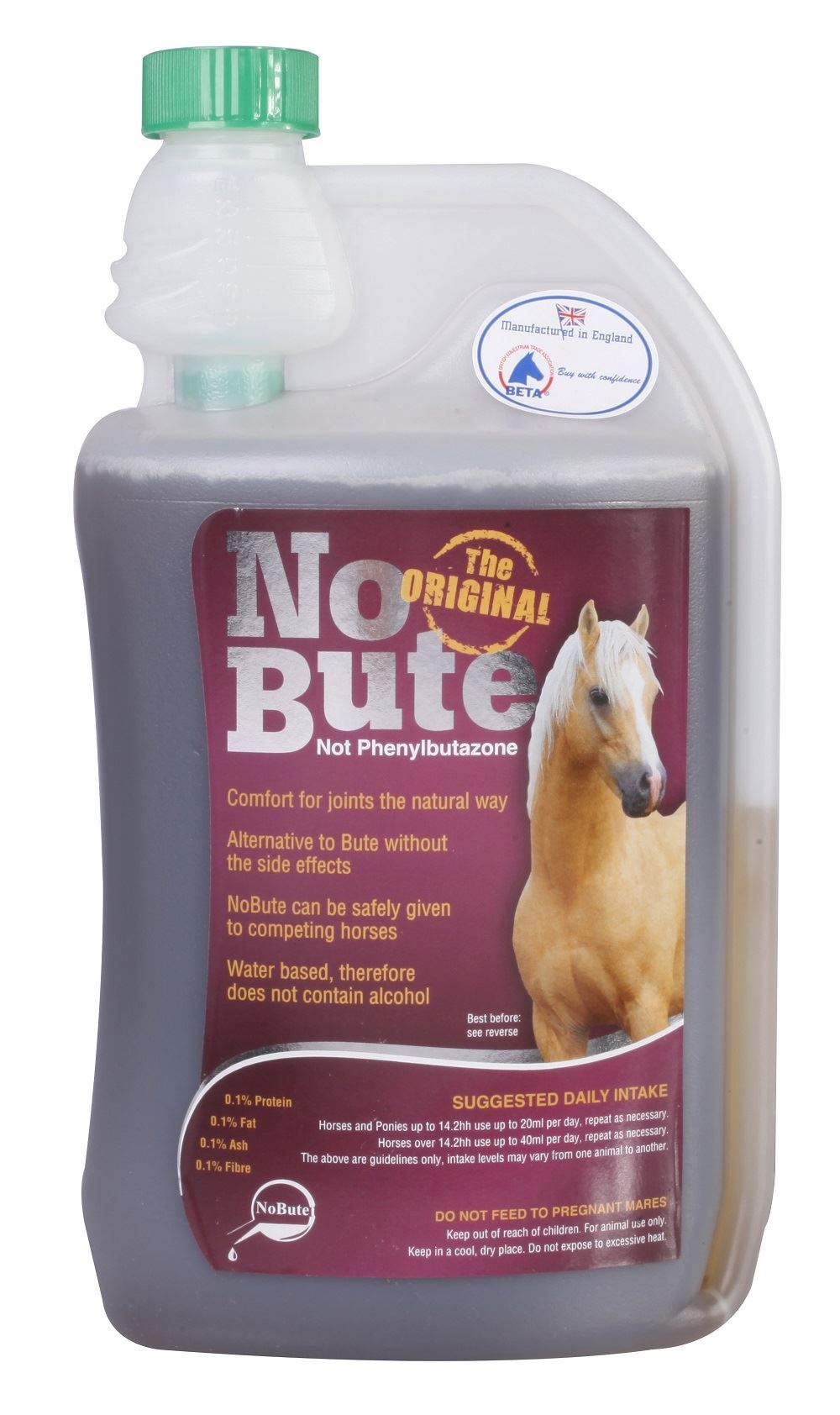
A well-equipped first-aid kit is your equine emergency lifeline. Consider it your magical bag of tricks, stocked with essentials like a stethoscope, digital thermometer, antiseptic products, bandages, and vet-approved medications like Banamine and Bute. Additionally, keep an updated list of emergency contacts and establish communication protocols with barn staff and neighbors to smooth the run-up to any crisis situation. This kit won’t fit in your back pocket, but it will be worth its weight in gold during emergencies.
Emergency Drills: Practice Makes Perfect
Conducting emergency drills can transform armchair knowledge into practical capability. Routine training in first aid and evacuation procedures empowers all caretakers to act with composure and skill during any hoof-biting situation. Think of it as a fire drill, but with more hay and fewer marshmallows.
Proactive Planning: Expect the Unexpected
Preparation should be tailored to potential emergencies, such as colic, lameness, respiratory issues, and natural catastrophes. Regular monitoring of vital signs – when safe – can spell the difference between a hiccup and a headline. Remember, a steady hand and an immediate call to your veterinarian are your best allies in ensuring survival and recovery.
Preventive Measures: Nip it in the Bud
Preventive care is the icing on the cake of emergency readiness. Veterinary experts like Dr. Toby Pinn-Woodcock assert that a proactive approach to equine health can prevent emergencies from occurring in the first place. Regular veterinary check-ups, balanced nutrition, appropriate dental and parasite care, as well as vaccinations, are key components to maintaining a healthy horse.
The Road Ahead: Further Research and Education
The journey towards better equine emergency outcomes is ongoing. Key areas for future focus include developing detailed emergency care protocols, innovations in first aid and medical technology, enhanced communication with veterinary teams, and research into early detection of distress through equine behavior cues.
In conclusion, preparedness is paramount to managing equine health emergencies effectively. By familiarizing yourself with normal health indicators, leveraging educational resources, maintaining a rock-solid relationship with your vet, and planning meticulously, you can transform unpredictability into manageability. So saddle up with knowledge and foresight to protect your beloved equine friends from the unexpected challenges of life.
Reference: Cornell Veterinary News (2023).