Equine Infectious Anemia: The Unseen Challenge in California
California's equine community faces a persistent foe in Equine Infectious Anemia (EIA). Due to the confirmed case of this viral disease in San Joaquin County, it's now the second reported incident in the state, raising alarm bells among horse owners and veterinarians. Understanding, controlling, and preventing EIA is more critical than ever. One might say it’s time to tighten those biosecurity belts!
All About EIA: What You Need to Know
Equine Infectious Anemia is no minor nuisance. It's a viral disease spread through body fluids, frequently aided by blood-sucking pests like horseflies. Even using contaminated equipment can spark an outbreak. The symptoms are decidedly unpleasant, with muscle weakness, anemia, and fever being the unwelcome guests. Moreover, infected horses become lifelong carriers, implying strict quarantine or, more unfortunately, humane euthanization. However daunting that sounds, understanding these aspects helps us appreciate the severity of EIA.
California's Recent EIA Cases: A Two-Act Drama
The first chapter of this EIA saga unfolded in San Bernardino County, where a 7-year-old Quarter Horse gelding tested positive. This case shed the spotlight on the dire necessity for prompt disease management efforts. Just when the curtains were about to drop, a 3-year-old Quarter Horse mare in San Joaquin County also turned up positive, adding another layer of complexity. Out of the 28 horses quarantined on the premises, only these two tested positive, with the rest waiting for their retest results in 60 days. Isn’t it a nail-biting wait for the horse owners?
Equine Disease Communication Center (EDCC): The Equine Community's Vigilant Sentry
Enter stage right, the Equine Disease Communication Center (EDCC). This nonprofit organization, run by industry donations, dishes out verified and timely equine disease reports. The EDCC ensures horse owners have access to critical info, promoting responsible practices across the board. Without such resources, the task of controlling EIA would be akin to playing darts in the dark.
The Biosecurity Playbook: Staying Ahead of EIA
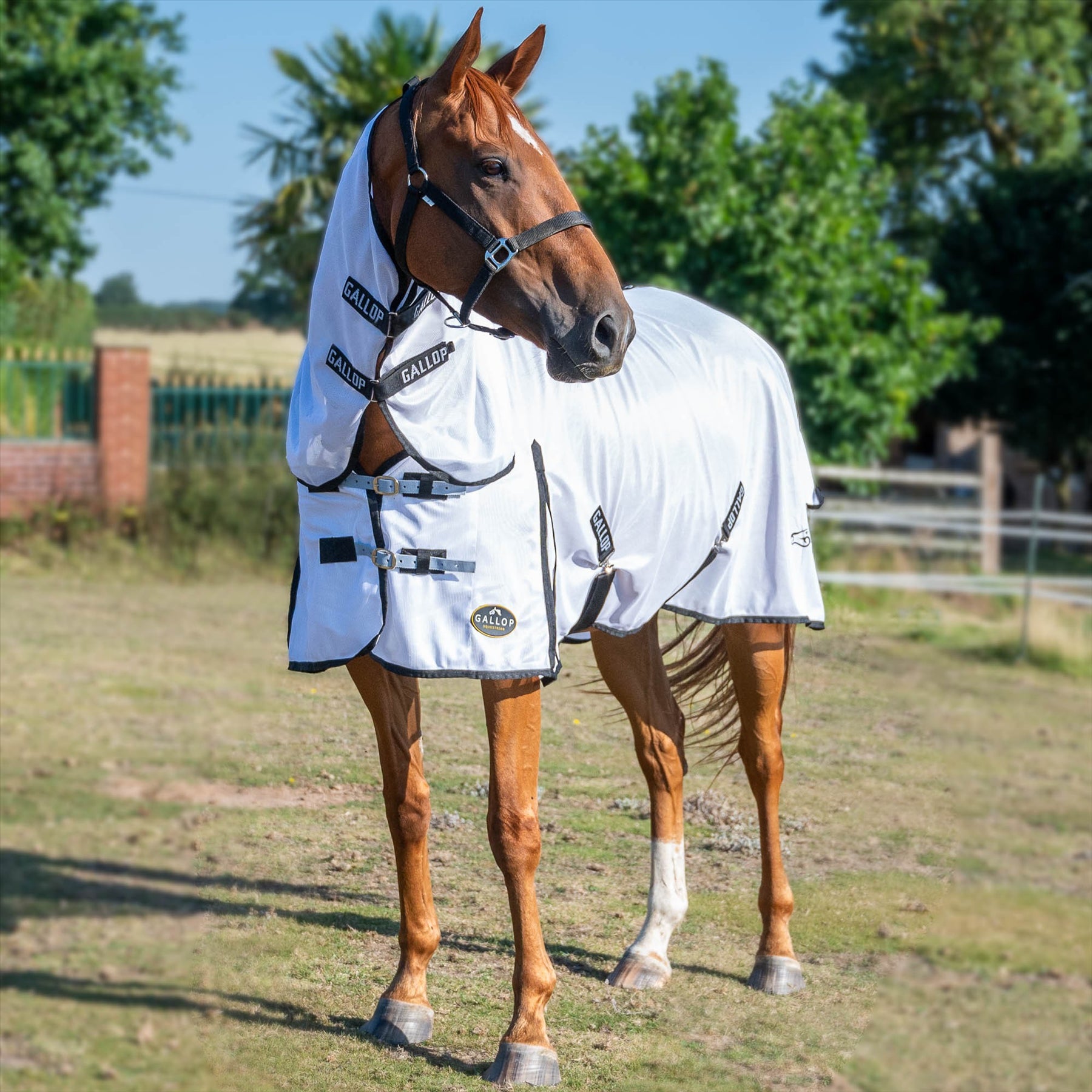
Without a whip and a chair to tame EIA, what do we have? Stringent biosecurity measures! These range from proper equipment sanitation and minimizing insect vectors to regular disease screenings. Horsefly reducing tactics and sterile equipment usage sound mundane, but they're the knights in shining armor here. Every horse owner following these guidelines becomes a gladiator in the fight against EIA.
The Economic and Emotional Toll of EIA
Lest we forget, EIA outbreaks aren't just a physical catastrophe; they're economically burdensome and emotionally wrenching. The quarantine measures upset the usual bustle of horse activities, translating to significant financial losses. Owners anguishing over the possibility of euthanizing beloved horses are further icing on the cake of devastation. Thankfully, with each calculated preventive step, we edge closer to a harmonious balance within this industry.
Charting a Path Forward: Future Research Endeavors
The light at the end of the tunnel might be paved with scientific inquiry. Crucial research into the transmission dynamics of EIA could tailor specific preventive methods. A glimmer of hope in the form of vaccine development could revolutionize control tactics, while advancements in treatment could salvage the quality of life for infected horses. It appears there's much more scribbling to be done on that research notepad!
As reports continue emerging from California, the importance of vigilance and sound disease management within the equine realm intensifies. With feathered hats nodding to entities like the EDCC and committed individuals, the path to EIA control does look promising. In the grand play that is EIA, each horse owner must understand their role, championing protocols that thwart this shadowy specter. And who knows? Maybe one day, it’ll be curtains for EIA instead!
For further information on equine disease alerts, visit the Equine Disease Communication Center at this link.
Sources: The Horse