Understanding the Challenges of West Nile Virus in Equines
News of a horse in Johnson County, Wyoming, testing positive for West Nile virus (WNV) reminds us of the relentless presence of this disease in equine populations. Primarily transmitted via mosquito bites, WNV poses a significant health risk to horses, demanding attention from horse owners and veterinarians alike to maintain equine health.
Symptoms and Impact of West Nile Virus on Horses
West Nile virus can be insidious, as the symptoms in horses vary widely, making early detection challenging. Affected horses may present flu-like symptoms or show signs of hypersensitivity, where even a gentle touch is overly startling. Changes in mentation, or mental state, may occur, and more severe cases might lead to neurological symptoms like ataxia, characterized by a loss of coordination. Though no specific antiviral treatment exists, supportive care can bolster recovery. However, the stakes are high with mortality rates fluttering between 30-40%.
Your Game Plan: Vaccination and Mosquito Control
Preventing WNV means staying one step ahead of mosquitoes, the pesky vectors of this virus. Vaccination stands as your best defense. Horses should receive annual booster shots, but for those residing in mosquito meccas, more frequent boosters might be necessary. The initial vaccination protocol involves two doses spaced four weeks apart, setting a robust baseline for immunity. Foals also need an early start on their vaccines to ensure they're shielded before mosquitoes swarm the skies.
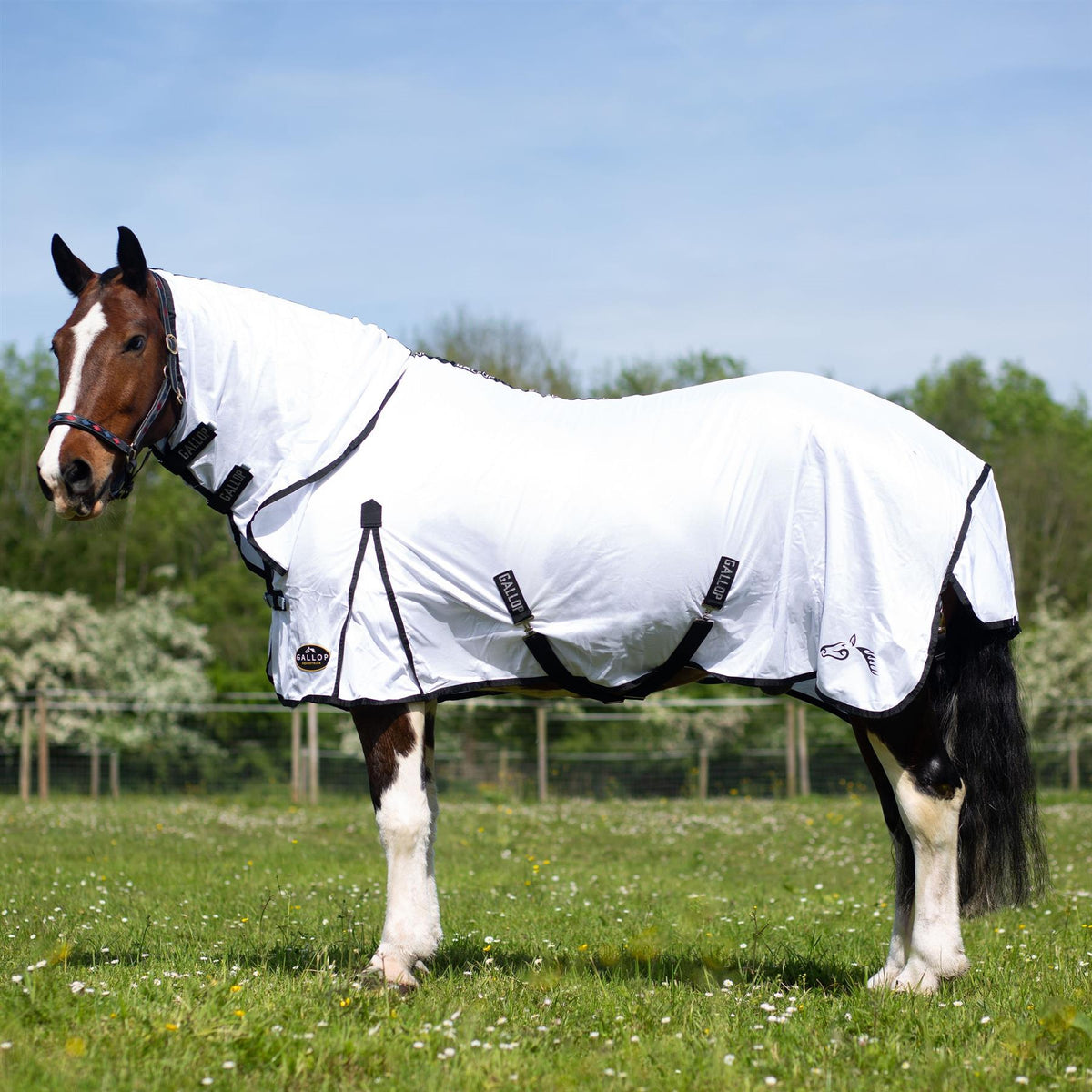
But don't put all your eggs in the vaccination basket. Environmental mosquito control plays a crucial role. Eliminate standing water—knock out those mosquito breeding grounds. Keeping drinking water clean and implementing physical barriers or repellents during mosquito peaks can further shield your equine companions.
The Role of the Equine Disease Communication Center
Interestingly, the Equine Disease Communication Center (EDCC) acts as a beacon of hope. This independent nonprofit serves a vital role by delivering reliable infectious disease information. By coordinating with veterinarians and horse industry insiders, the EDCC extends up-to-date alerts and educational resources. This collaboration empowers horse owners to adopt effective preventive measures and swiftly tackle health threats.
Research and Development: Riding into the Future
While these strategies aid immediate battles against WNV, the war continues on scientific and educational fronts. Ongoing research delves into the epidemiology and transmission mechanisms of WNV in horses, enhancing our understanding and solutions. Advances in vaccine development promise to refine and evolve our defenses; innovations here are eagerly anticipated.
Moreover, analyzing mosquito control strategies in rural and equine-centric regions could substantially impact equine health. Evaluating the efficacy of booster schedules tailored to varied climates is gaining traction as well. Beyond WNV, a thorough examination of infectious equine diseases with similar transmission tactics would improve readiness for future outbreaks.
In Conclusion: A Call to Vigilance
The recent WNV detection in Wyoming paints a clear picture: vigilant vaccination, environmental vigilance, and disease monitoring are essential to safeguarding equine health. As mosquitoes show no sign of retirement, adaptive strategies and robust defenses remain crucial. It's a hefty responsibility but one that horse owners, veterinarians, and the EDCC meet head-on, ensuring our equine companions continue to share their majestic presence in our lives.
For more information on the specific case and the ongoing efforts to combat equine WNV, you can visit the original source of this information here: TheHorse.com