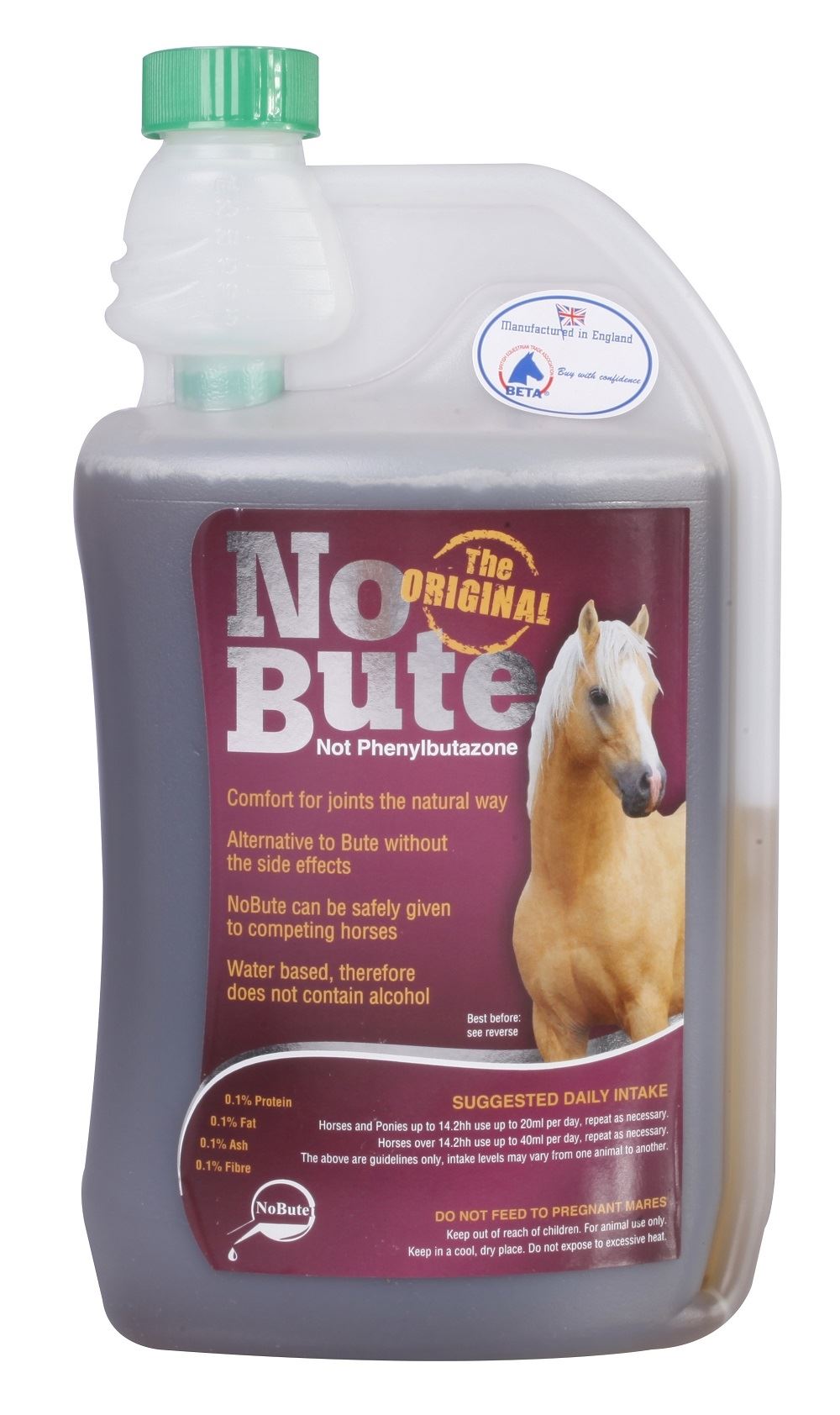
Introduction to Equine Osteoarthritis Management
Equine osteoarthritis (OA) is a prevalent progressive joint disease that poses significant challenges for horses and their caregivers. As horses experience pain and reduced mobility due to joint inflammation, effective management strategies are imperative. Non-steroidal anti-inflammatory drugs (NSAIDs) are the cornerstone of managing OA in horses, known for their capacity to alleviate discomfort and enhance quality of life.
Understanding Traditional NSAIDs
For years, phenylbutazone (Bute) and flunixin meglumine have been leading NSAID choices in equine medicine. These medications work by inhibiting cyclooxygenase-1 (COX-1) and COX-2 enzymes. This dual action blocks prostaglandin production, diminishing pain and inflammation seen in OA and other conditions. Impressive as they are, these drugs come with downsides.
Bute has been hailed for assisting horses with chronic lameness and OA. However, its non-selective COX inhibition carries risks of gastric ulcers, kidney damage, and intestinal issues. Flunixin shares similar benefits and risks, especially in treating colic-related pain. It is important to note that while effective, both drugs can lead to complications with prolonged or high doses.
COX-2 Selective NSAIDs: The Safer Solution
Enter firocoxib, a game-changer in equine NSAID therapy. With its COX-2 selectivity, firocoxib sidesteps the gastrointestinal and renal side effects typically associated with traditional NSAIDs. Studies underline its efficacy, revealing how firocoxib rivals Bute in reducing lameness and improving joint function. It delivers noticeable improvements within a week, bringing relief to myriad horses.
Firocoxib’s refined safety profile makes it a viable choice for chronic OA management. An extensive 2012 study by Orsini and colleagues surveyed 390 cases and established positive outcomes. While dosing adherence is crucial to minimize risks such as oral lesions, firocoxib stands as a valuable option, especially for foals or horses sensitive to traditional NSAIDs.
Exploring Topical and Emerging Treatments
When systemic NSAIDs may not fit the bill, diclofenac sodium (Surpass) offers an alternative. Approved by the FDA for topical application, Surpass is applied directly to the inflamed joints, penetrating through innovative liposomal technology. This localized approach allows for targeted relief of pain while minimizing systemic side effects.
Additionally, diclofenac modifies OA's progression by influencing cartilage health positively. Improved lameness and joint flexibility reflect its merit in managing OA.
Best Practices for NSAID Use in Equine Medicine
NSAID therapy should be carefully tailored by veterinarians, paying close attention to each horse’s unique needs, health status, and OA severity. Combining NSAIDs with chondroprotectants like Adequan or Legend can further slow degeneration, offering sustained relief and flexibility.
Further, intra-articular steroids provide swift short-term pain relief, although they call for experienced veterinary oversight to avoid complications. Always monitor horses for side effects and adjust treatment protocols accordingly, employing COX-2 selective NSAIDs for chronic conditions when appropriate.
Conclusion
As equine medicine evolves, exploring varied NSAID options enables a balance between efficacy and safety in managing osteoarthritis. Veterinarians must adopt a holistic view, incorporating rest, rehabilitation, and dietary supplements into comprehensive OA care. As the research continues to unfold—including comparisons between NSAIDs and development of alternatives such as the recent advances in topical applications—equine medicine continues to prioritize the health and comfort of our equine companions.
For further detailed research and studies, sources such as the University of Illinois' article on equine OA and publications from the Maxwell H. Gluck Equine Research Center remain invaluable resources.