Debunking Common Misconceptions About Horse Care For Improved Equine Health
Addressing Common Horse Care Myths
Entering the world of horse care can sometimes feel like a journey into a jungle of advice. Well-meaning suggestions often sprout from every corner, especially from the "Yard Know-It-Alls." However, distinguishing between myth and fact is crucial for the health of our equine friends. Let's dive into some common horse care misconceptions and set the record straight.
Accurate Weight Management
One common myth revolves around your horse's weight. Many horse owners are advised, often without empirical backing, about when their horse needs to lose some bulge. The professional approach involves comparing the horse's actual weight to breed averages. Make use of a weight tape for this comparison, and visually assess fat indicators. This method prevents unnecessary or harmful weight loss attempts that might otherwise harm your horse's health. Avoid guesswork; a diligent approach with practical tools is the key to successful weight management.
Hay Soaking Practices
A contentious topic is how long to soak hay. Contrary to popular belief, soaking hay beyond 30 minutes is generally unnecessary unless you're looking to reduce its caloric content significantly. The main purpose here is to remove dust that could irritate your horse’s respiratory system. Draw a line at half an hour for effective dust removal and tune out the myth that longer soaking enhances hygiene.
Managing Toxic Plants: Ragwort Removal
Ragwort removal is non-negotiable. Though some folks underestimate its threat, it’s a potentially fatal mistake. Horses could ingest this toxic plant, so the safest approach is to remove and burn ragwort to eliminate any fire risk and accidental equine poisoning. It's essential to maintain vigilance and not adopt a lax attitude toward ragwort and its dangers. More guidance on effective pasture management can be found at Horse&Rider [here](https://www.horseandrideruk.com/news/paris-2024-previews-showjumping-ones-to-watch/).
Rider-Horse Weight Compatibility
Many yard experts will insist that riders are universally too hefty for their steeds. This blanket myth can lead to unnecessary worry and limitations. With a practical calculation, such as the 20% rule—indicating a horse can typically carry 20% of its weight in rider and tack—owners can better assess the situation. This scientifically-backed approach dispels broad-brush claims about size mismatches, helping match rider and horse more appropriately.
Loading and Transporting Horses
Transporting horse companions can be stressful if approached with rigid techniques. The time-honored myth of needing force to transport a hesitant horse doesn't hold water. Instead, focus on patience and calm handling to load your horse mindfully. Assess the surrounding travel conditions to ensure minimal stress and maximize safety for horses during transit. This considered approach lets you move beyond fear and force to informed and gentle transportation.
Stable Hygiene and Bedding
Hygiene in stables is more straightforward than some anecdotes might suggest. Frequent cleanings guard against thrush, a hoof issue common in unhealthy environments. But, by using highly absorbent bedding, the need for constant deep cleaning can be reduced. This strategy maintains hoof health without overburdening cleaning schedules.
Feeding and Exercise
There's a pesky belief that feeding a horse just before exercising leads to discomfort or colic. Not so fast! Newer evidence suggests high-fiber food prior to exercise aids gut function and energy levels. This dispels outdated myths and emphasizes that a well-fed horse is reliably more energetic and healthier.
Rugging and Thermal Regulation
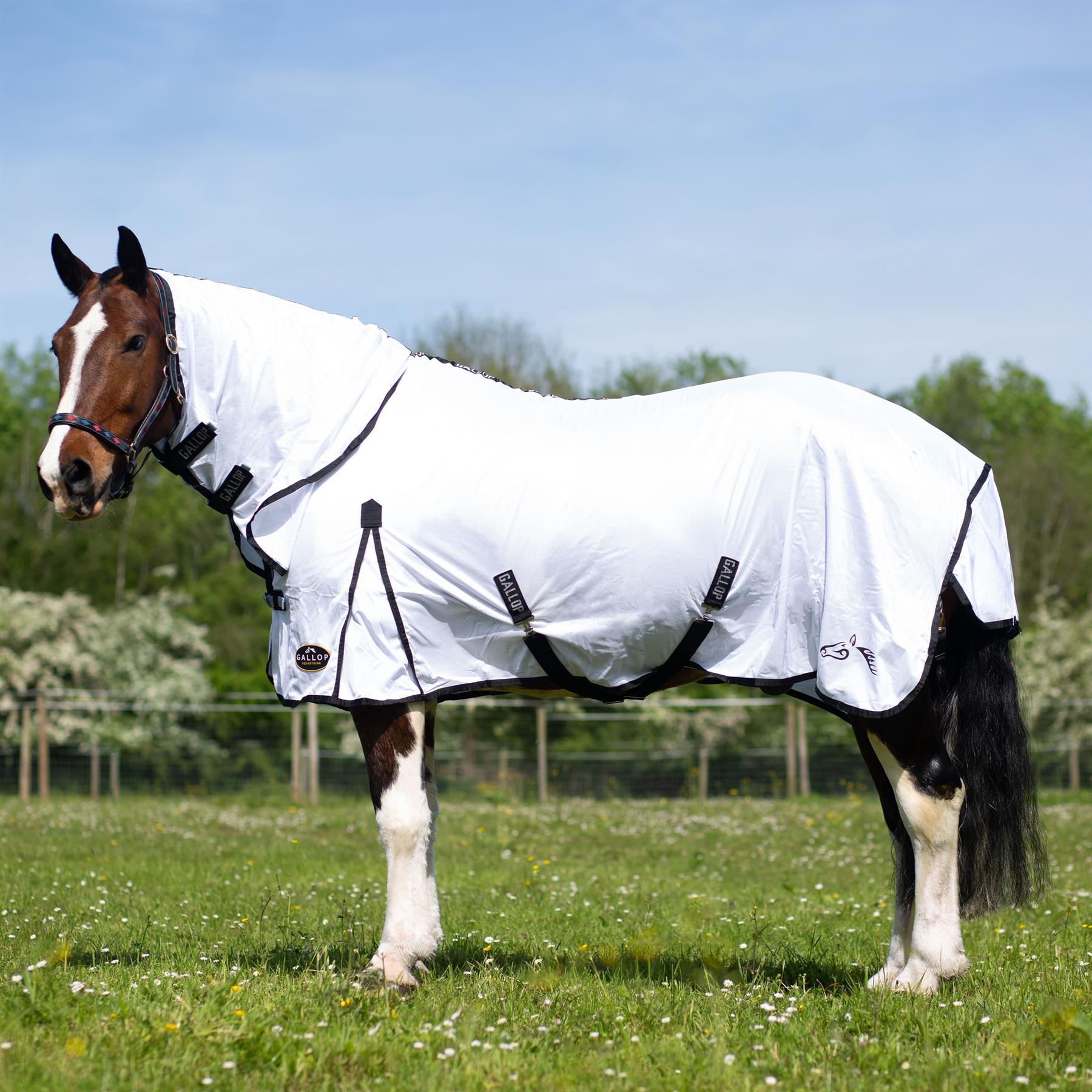
Swaddling horses with layers of rugs during colder months is a misconception prevalent among many horse owners. Rather than using a cookie-cutter approach, horse owners should fathom the intricacies of equine thermoregulation to determine appropriate rugging strategies. This tailored care ensures horses remain warm without being overly burdened by unnecessary rugging, embracing nuance over a one-size-fits-all solution.
Cooling Down and Chilling Risks
Fear of chills through cold water cooling techniques post-exercise is unfounded. Horses won't suffer from correct, scientifically informed cooling methods used to avoid chilling. By trusting in knowledge over folklore, this myth is debunked, making way for a better post-exercise recovery strategy.
Training Approaches
In training, finishing on a high note enhances both horse and handler experience. Abandon any teachings of protracted or overly harsh sessions that could end negatively, fostering resistance or stress. This cheerful end point promotes a positive reinforcement culture in horse training.
Conclusion
In sum, the article "Debunking the Yard Know-It-All’s Favourite Comments" serves as a beacon, steering horse owners away from unfounded advice toward scientifically-backed, evidence-based practices. By championing accurate information and expert consultation, horse owners are empowered to make impactful decisions for their journeys alongside their equine friends. Echoing credible sources like Horse&Rider, this corrective narrative elevates horse care standards, ensuring horses nationwide benefit from best practices.
Sources:
- https://www.horseandrideruk.com/news/
- - https://www.justhorseriders.co.uk/blogs/news-1/debunking-equine-care-myths-with-evidence-based-insights