The Menacing Threat of Eastern Equine Encephalitis
In Taylor County, Georgia, a case of Eastern equine encephalitis (EEE) has raised concerns within the equine community. This severe mosquito-borne disease recently claimed the life of a 7-year-old Georgian Grande mare, bringing attention to the dire need for proper vaccination and mosquito control. Let's dissect what EEE is, how it spreads, and crucial prevention strategies.
Understanding Eastern Equine Encephalitis
EEE is a viral disease transmitted by mosquitoes that primarily affects horses and humans. It causes brain inflammation, leading to severe neurological symptoms. Horses are highly vulnerable, exhibiting signs ranging from ataxia and fever to severe depression and recumbency. Unfortunately, in many cases, the disease proves to be fatal, calling for keen awareness among equine owners.
Transmission: How Does EEE Spread?
EEE is a striking example of how nature often wields both beauty and menace. While mosquitoes may seem like mere backyard annoyances, they play a pivotal role in transmitting EEE. Wild birds act as reservoirs for the virus, which mosquitoes then spread to horses and humans. Fun fact: these tiny insects inadvertently partake in the dance of life and death, a humbling realization when you think about it.
The role of environmental factors can't be overstated either. Stagnant water becomes a breeding ground for mosquitoes, emphasizing the importance of maintaining a mosquito-proof environment.
Symptoms and Diagnosis
In horses, unfortunate enough to contract EEE, the symptoms progress rapidly. These include severe ataxia, high fever, and ultimately recumbency and convulsions. If you're wondering whether humans can also catch this disease, yes, sadly we can, though it's rarer.
Diagnosing EEE involves advanced testing like ELISA or PCR, identifying antibodies or viral particles. With a high mortality rate and no specific treatment, supportive care remains the pathway for managing diagnosed cases.
Prevention: The Best Defense Strategy
The silver lining in the fight against EEE lies in prevention. Vaccination is a powerful tool, and veterinary authorities recommend it as a core vaccine for horses. It's safe to say vaccinations work wonders beyond mere prickly experiences; they are lifesavers.
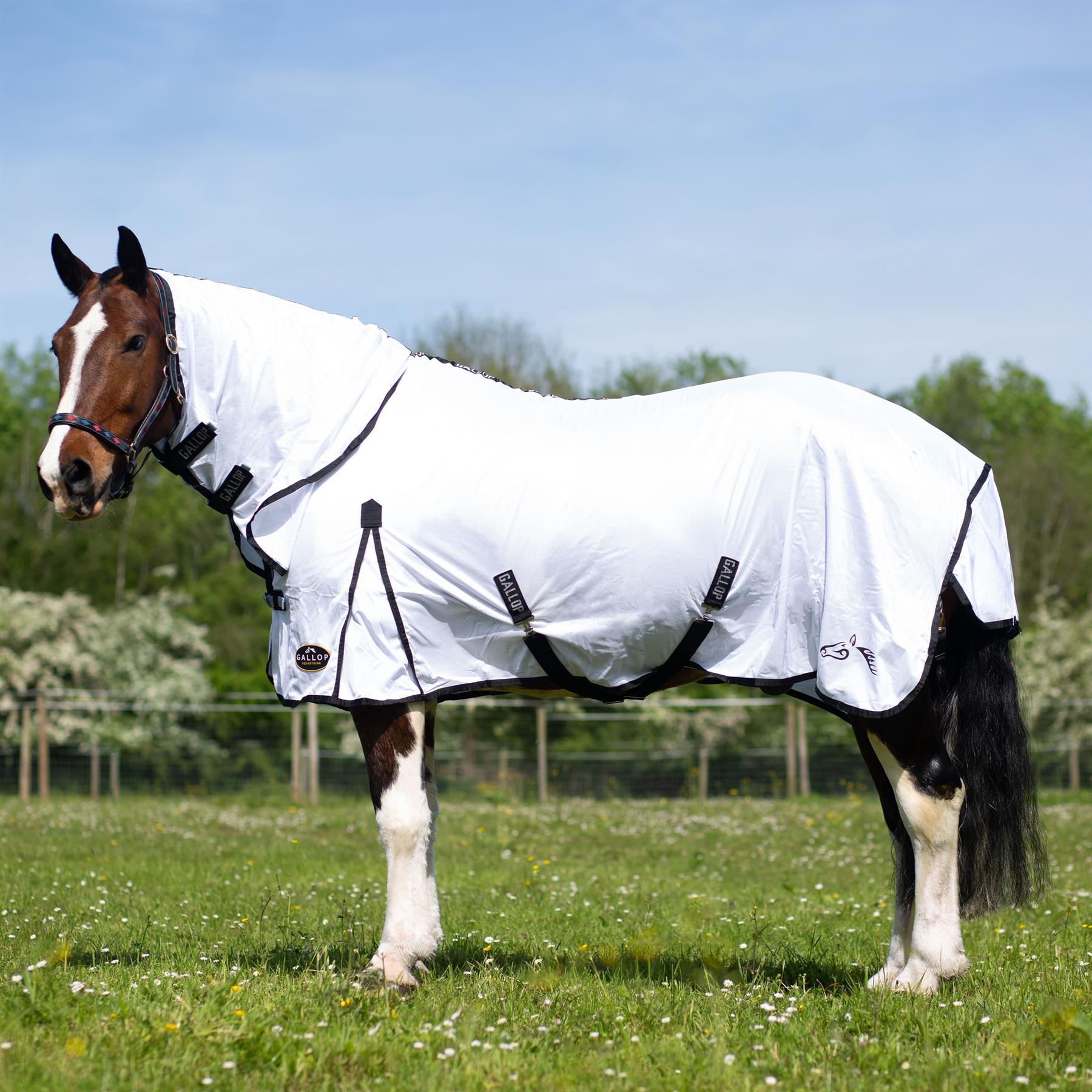
Additionally, controlling mosquito populations through measures such as eliminating standing water, utilizing mosquito dunks, and applying topical repellents can nip the problem in the bud. Creating mosquito-proof environments is just as effective and will be a particularly useful tidbit for those new to equine care.
Importance of Mosquito Control
You might look at a horse's abode as a serene retreat, but it's essential to think of it as a fortress against mosquitoes. Remember, cutting the mosquito population indirectly protects those grazing bay mares like the unfortunate Georgian Grande.
Equine Disease Communication Centers also stress prompt diagnostic procedures and preventive strategies to combat the continuing threat of EEE. Their initiatives keep a vigilant eye on the spread of infectious diseases, sharing timely information which aids horse owners and veterinarians in making informed decisions.
Conclusion: Vigilance is Key
In conclusion, the recent case in Georgia serves as a solemn reminder of the ongoing threat EEE poses. With proper vaccinations, mosquito control, and vigilance, we can protect our equine friends. Yes, horses embody romanticism and spirit, but alongside that image, there’s a gritty reality of ensuring their safety. After all, even the grandest of steeds needs a helping hand—or at least a swat against those pesky mosquitoes!
For more in-depth information on EEE, check [Equine Disease Communication Center](https://www.equinediseasecc.org/eastern-equine-encephalitis).
Sources: The Horse