Beat The Heat: Care Tips For Your Horse
When the summer sun is blazing, horses are particularly susceptible to heat-related issues, much like we are. Keeping them cool and hydrated becomes paramount, especially during heatwaves where the temperatures skyrocket. Here's a comprehensive guide to ensure your horse's well-being during hot weather.
Hydration is Key
Your horse needs plenty of water, just as you might enjoy a cold drink on a hot day. Horses can consume up to 60 liters of water daily under extreme heat conditions. If stagnant water fails to entice your equine friend, try offering flavored water or adding electrolytes. Remember, with each liter of sweat, horses lose up to 10 grams of electrolytes, which are crucial in maintaining muscle function and fluid balance.
A Shade Better
Seeking shade is a natural instinct during a sun-scorched day, and it should be available for your horse too. Natural shade in pastures, such as mature trees, or constructed shelters are essential. In stables, ensure they are well-ventilated, perhaps with a strategically placed fan that is horse-friendly. Adjusting turnout times to cooler parts of the day—say, at dawn or dusk—also helps. In other words, plan your horse’s outings as you would a morning jog.
Stay Cool with a Trick
After a workout or simply because it's sweltering outside, cool your horse off with cold water. Avoid the urge to scrape the water off immediately; let it evaporate as nature intended. If continuous hosing down is possible, that's even better. This natural evaporation process is an effective way for your horse to cool off, reminiscent of when you play with garden sprinklers.
Dietary Hydration Support
Another hydration hack is soaking hay, which helps increase water intake. Bear in mind, however, to limit the soaking time to prevent bacterial growth. Consult with an equine nutritionist to ensure the diet is balanced for adequate nutrition, especially since hot conditions can affect nutrient levels in feed. Monitoring diet isn't just a human-office-employee concern!
Guard Against Sunny Disposition
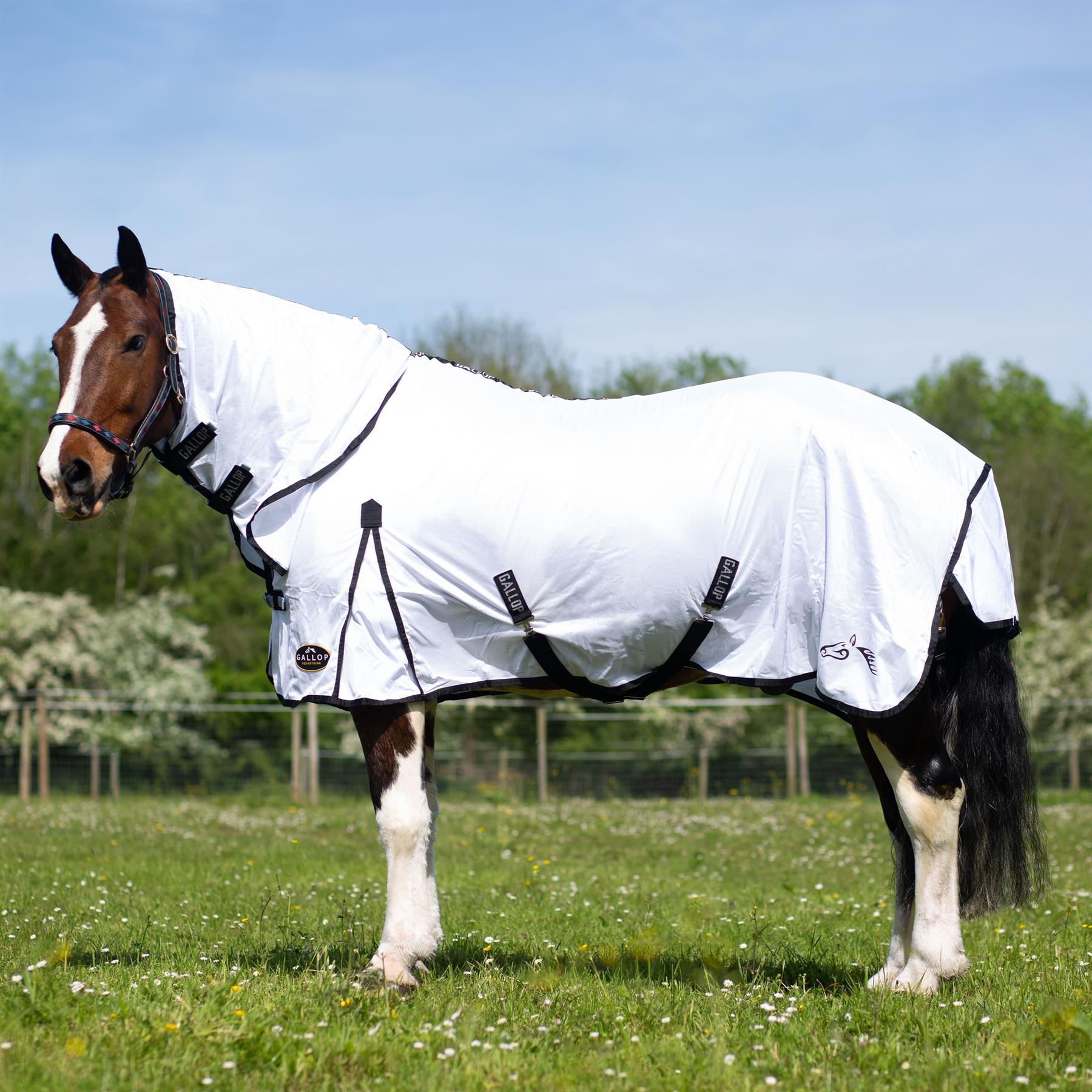
Horses with fair-colored skin are just as susceptible to sunburn as fair-skinned humans. It's essential to apply a high-SPF equine sunscreen and consider UV-protective fly masks to shield against these rays. You wouldn't hit the beach without sunscreen, right? Your horse's skin deserves the same care.
Activity Timing is Everything
Avoiding strenuous exercise during the heat of the day is wise. Consider switching your ride times to early mornings or late evenings. Additionally, stay mindful of the temperature and humidity index; when combined, if they exceed a safe threshold (like 150 when using the temperature in Fahrenheit plus the relative humidity percentage) it’s a clear red flag. Think of it as skipping a marathon during high noon in July.
Health Vigilance Saves the Day
Watch for signs of heat distress, including panting, reduced appetite, or lethargy. Basic checks like gum color and capillary refill time can help monitor hydration. The mantra here is 'better safe than sorry,' especially for older or health-compromised horses. Professional advice to catch heatstroke symptoms early can be your lifeline.
Electrolyte Maintenance
Heavy sweating demands that electrolytes be replenished for intricate muscle functions and maintaining equilibrium. Alongside offering fresh water, ensure the electrolytes used are horse-specific and used on veterinary advice only. It's not just about quenching thirst but replenishing crucial nutrients as well—like sports drinks without the sugar craze.
Stable Optimization
A comfortable stable environment is a cool one. Ventilation via fans can improve airflow, granted they’re safely out of reach for your horse. Introducing new devices should be calm and gradual to prevent any unnecessary stress. Think of it as your horse's personal AC installation.
Travel Wisely
For those inevitable travel needs, schedule trips during cooler times of the day. Ensure trailers are well-ventilated and avoid allowing horses to stick their heads out, as delightful as that may seem. Planning these trips should be almost as detailed as crafting the perfect vacation itinerary.
To sum it up, when the sweltering season arrives, proactive care involving hydration, shade, diet adjustments, and vigilant health checks is the key to keeping horses healthy and happy. Taking care of your equine friend in the heat is just as critical as ensuring your personal comfort during these times.
For more detailed insights, refer to original sources: Park City Equine Center and Horse & Rider.