First Georgia Horse Case of West Nile Virus in 2025: A Wake-up Call
In an unsettling turn of events, a horse from Fulton County, Georgia, has tested positive for West Nile Virus (WNV), marking the state's initial equine case of 2025. The Georgia Department of Agriculture has confirmed this case, prompting a reminder of the perils posed by the mosquito-borne virus. Horses, alongside humans and birds, are particularly vulnerable to this disease, which can manifest from mild flu-like symptoms to severe neurological complications.
Understanding the Impact of WNV on Equines
West Nile Virus is primarily transmitted through bites from infected mosquitoes. For horses, the health risks span a spectrum. Initial symptoms include fever and lethargy, but in a worst-case scenario, they can escalate to neurological issues such as involuntary muscle twitching and ataxia (loss of coordination). Unfortunately, there is no specific cure for WNV, and about 30-40% of the affected horses do not survive. Survivors might have to cope with ongoing neurological damage, leaving supportive veterinary care as the primary treatment option.
Prevention is Better Than Cure: The Role of Vaccination
An ounce of prevention is worth a pound of cure, especially when it comes to WNV. The cornerstone of WNV prevention for horses is vaccination. The vaccination regimen typically involves an initial course of two to three doses, followed by annual boosters just prior to the start of mosquito season—usually in spring. Pregnant mares need particular attention, with vaccinations recommended 4-6 weeks before foaling. Regions plagued by prolonged mosquito seasons may require more frequent boosters.
Interestingly, ELISA serological tests can help differentiate between vaccinated and infected horses during outbreaks, ensuring accurate diagnosis and management. According to Veterinary guidelines, tailoring the vaccination schedule to suit the local epidemiology and mosquito activity patterns is crucial for optimal protection.
Mosquito Control: A Crucial Strategy
While vaccination forms the front line of defense, minimizing mosquito exposure remains a critical strategy. Here are some effective mosquito control tactics:
- Eliminating standing water sources such as puddles and water troughs where mosquitoes thrive
- Regularly cleaning water containers to prevent mosquito breeding
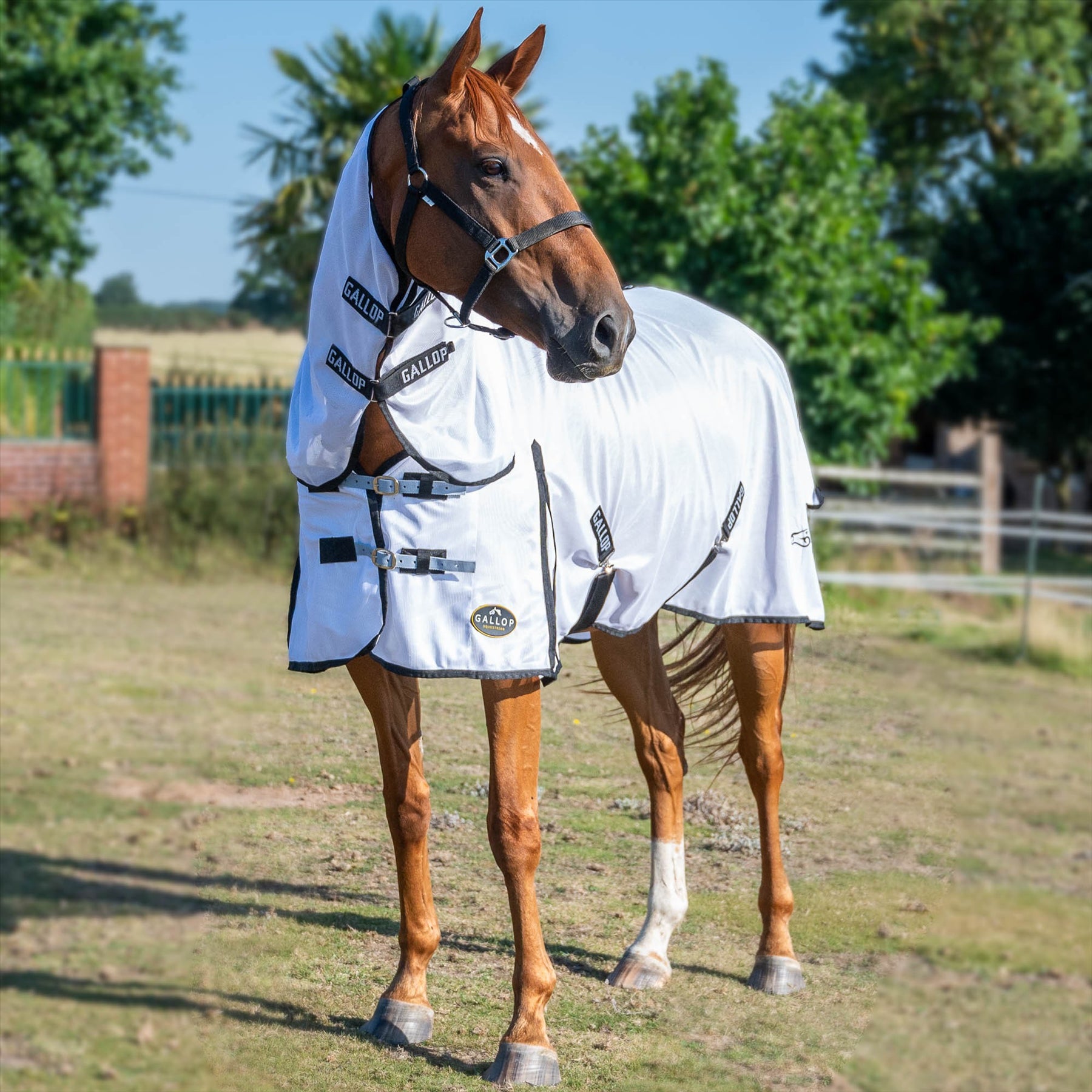
- Keeping horses indoors or protected by mosquito-proof shelters during peak activity periods, typically dawn and dusk
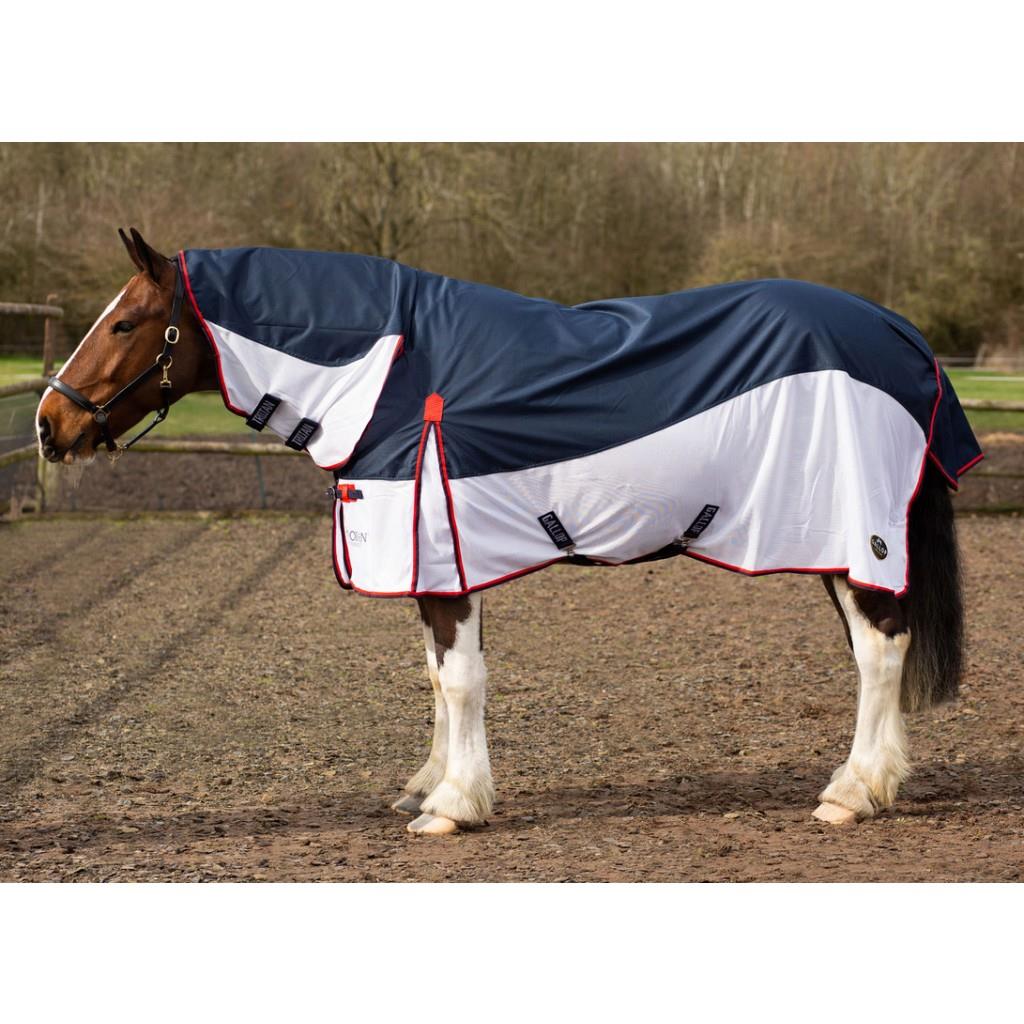
- Using equine-specific mosquito repellents to minimize bite risk
The Bigger Picture: Global WNV Challenges and Research
This case in Georgia is undoubtedly part of a broader seasonal WNV pattern that saw a significant upsurge in 2024, with 53 human cases across the state and positive mosquito samples from various counties. Globally, West Nile Virus remains a formidable challenge to equine health, with varying vaccine effectiveness based on regional climatic and epidemiological factors.
Efforts are underway to improve vaccine formulations, optimize vaccination schedules, and enhance integrated mosquito management tactics. The future of WNV management could benefit from these ongoing research initiatives, which aim to reduce the incidence of this notorious virus.
The Importance of Disease Reporting and Coordination
In battling WNV and similar diseases, the Equine Disease Communication Center (EDCC) shines as a beacon of verified disease data dissemination, fostering industry-wide awareness and action synchronization. By keeping all stakeholders informed, the EDCC plays a pivotal role in education and in orchestrating strategies to manage and mitigate infectious equine diseases like WNV.
The confirmation of the first equine WNV case of 2025 in Georgia underscores the vital importance of strategic vaccination, diligent mosquito control, and an acute awareness of clinical signs among horse owners and veterinarians. It’s a critical reminder that when it comes to many zoonotic diseases, proactive measures are always the name of the game.
For more insights and detailed disease reporting, visit the original source at: TheHorse.com.