The Battle Against West Nile Virus in Indiana Horses
It was a dark day on the pastures of Indiana when three horses were confirmed positive for the West Nile Virus (WNV). The Indiana State Board of Animal Health broke the news and brought to light the dreaded mosquito-borne disease that had infiltrated the equine populations in Allen, Adams, and DeKalb counties. Let’s take a closer look at what this means for horse owners and what can be done to fought back against WNV.
Understanding West Nile Virus
WNV is primarily transmitted through mosquito bites and targets the central nervous system, making it particularly dangerous for horses. Initially discovered in Africa, the virus made its way across the world and now stands as a threat to various regions, including parts of the United States with prolonged mosquito seasons. According to experts, WNV manifests with neurological symptoms such as severe ataxia, fever, and recumbency. Two horses from this Indiana cluster were euthanized due to severe symptoms, underscoring the disease's potential severity.
Symptoms and Diagnosis: A Critical Differentiation
The symptoms can mimic other neurological diseases like rabies or equine protozoal myeloencephalitis, warranting detailed laboratory confirmations for accurate diagnosis. Horses can show signs like loss of appetite, limb paralysis, impaired vision, or even convulsions, making it essential for horse owners to recognize early onset and seek veterinary assessments promptly.
Vaccination: The Knight in Shining Armor
Currently, there is no specific cure for WNV, but there’s good news! A trusty vaccine acts as the knight in shining armor for prevention. It’s advised that horses receive annual or bi-annual vaccinations against WNV. In regions with heavy mosquito presence, it becomes even more crucial. Herd immunity plays a huge role, not just safeguarding vaccinated horses but potentially reducing mosquito breeding grounds as well.
The Art of Mosquito Control
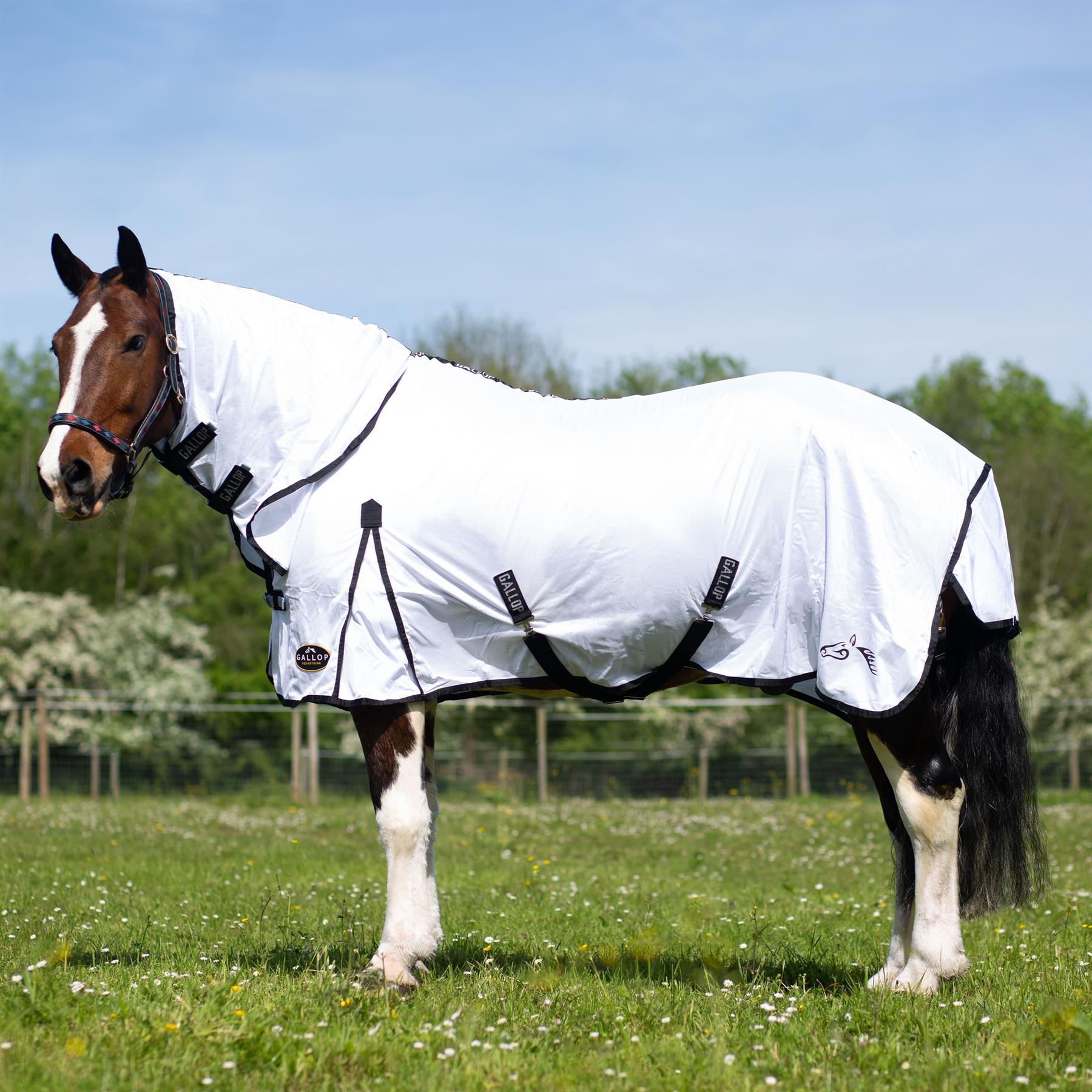
Mosquitoes have a knack for crashing the idyllic horse pasture party, but we have options to control their rampage. Practical strategies like eliminating stagnating water— a prime breeding ground for mosquitoes— and employing equine-safe repellents can drastically bend the odds in favor of horse owners. Reports also emphasize the importance of creating an equine strategic plan tailored to each farm to keep these tiny assassins at bay.
Turning Information into Prevention: A Community Effort
In light of these cases, programs like the Equine Disease Communication Center’s Health Watch play a pivotal role in broadcasting disease updates and preventive measures. The dissemination of information not only helps to protect equine populations but also extends to human awareness, given the virus’s zoonotic nature. The ongoing mosquito surveillance effort across 27 counties in Indiana highlights increasing mosquito activity, thus reinforcing the need for vigilant monitoring and preventive action.
While it’s vital to remain alert for common symptoms and pursue prompt veterinary care, embracing prevention by maintaining vaccination schedules and instituting mosquito control measures prove to be the stalwart defense against WNV. As horse owners band together, their collective effort is akin to spinning a protective web over the equine community. Stay educated, stay prepared, and fend off those mosquito foes— your horses will thank you.
If you’re keen on keeping updated on WNV developments or additional preventive tips, websites like the Harrison County Mosquito Control Program provide valuable information.
Sources: This article references information from TheHorse.com, the Equine Disease Communication Center, and the Harrison County Environmental Health site.