Kentucky's Wake-Up Call: Combating West Nile Virus in Horses Through Vaccination and Mosquito Control
The Mounting Concerns of West Nile Virus in Equines: A Recent Case Study
An Unfortunate Case in Kentucky
The equine community in Kentucky recently faced a sobering reminder of the threats posed by the West Nile Virus (WNV). A young 2-year-old Arabian filly in Boyle County was confirmed as the state's first equine case of WNV in 2025. The tragic outcome saw the animal euthanized after exhibiting severe neurological symptoms such as difficulty in rising, "dog sitting" behavior, and incoordination in the rear limbs. This scenario reiterates the need for vigilance and preventive measures in managing equine health (source: [source1](https://thehorse.com/111111/kentucky-filly-tests-positive-for-wnv/)).
Understanding West Nile Virus and Its Impact
The West Nile Virus is a mosquito-borne disease affecting birds, humans, and notably, horses. For equines, the virus manifests as serious neurological disease, potentially causing muscle twitching, hypersensitivity, changes in mental state, and paralysis. According to statistics, up to 30-40% of infected horses succumb to the virus, highlighting its potency and the crucial need for effective preventative strategies. Since its introduction to the United States in 1999, cases in horses peaked significantly in 2002 but have notably decreased due to increased awareness and proactive vaccination programs. Nonetheless, WNV persists as a formidable adversary that demands ongoing attention and action across the animal healthcare field.
The Importance of Vaccination
Vaccination remains the cornerstone of protecting horses from WNV. Horse owners are advised to administer vaccines annually or biannually, depending on the local mosquito activity. Available vaccines boast over 90% efficacy against current WNV strains, making them an indispensable part of equine healthcare. To ensure comprehensive protection, the primary immunization involves two doses set four weeks apart, while foals require additional boosters just before the mosquito season. These measures are critical in minimizing the endemic presence of WNV.
Strategic Mosquito Control: A Crucial Preventive Measure
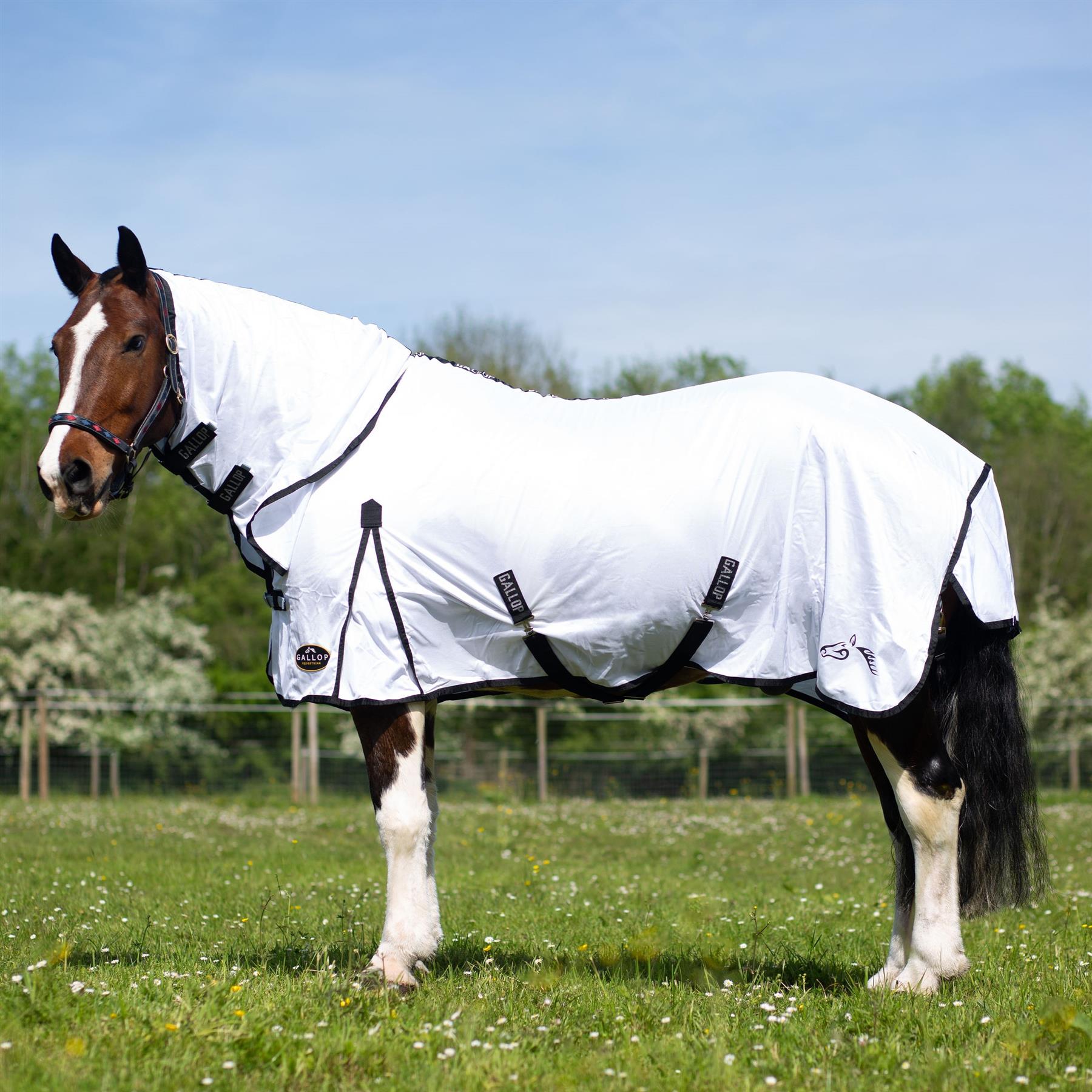
While vaccinations are vital, they work best in conjunction with effective mosquito control measures. To reduce mosquito-borne transmission of the virus, removing stagnant water sources, replenishing water supplies regularly, and using equine-approved repellents are all advised. Horses should particularly be sheltered during times of peak mosquito activity, namely at dusk and dawn, when they are most active. These collective efforts form an effective defense mechanism against the virus.
Information Dissemination: A Key Role by the EDCC
The Equine Disease Communication Center (EDCC) plays a significant role in informing and educating the equine community about WNV cases, allowing both horse owners and veterinarians to stay vigilant and proactive. By staying informed, stakeholders can promptly execute precautionary measures and limit the spread of this virus. With potential for regional underreporting, an enduring awareness and information dissemination is the linchpin in controlling WNV outbreaks and protecting horses on a broader scale.
The Financial and Health Implications of WNV Outbreaks
The overarching goal of managing WNV is not just about protecting horse health but also mitigating the substantial economic repercussions associated with outbreaks. The health distress caused by WNV translates into hefty veterinary bills, economic loss due to reduced productivity, and sometimes, loss of valuable equine lives which cannot be economically quantified. Therefore, the emphasis on vaccination and mosquito control isn't merely a precautionary recommendation but a protective measure against significant financial loss in the equine industry.
Conclusion: A Wake-up Call for Proactive Measures
The recent WNV case in Kentucky underscores the necessity for an integrated approach in equine healthcare—combining effective vaccination programs, strategic mosquito management, and relentless information dissemination spearheaded by entities like the EDCC. Horse caretakers need to remain steadfast, combining scientific interventions with practical measures to safeguard the wellbeing of their horses and minimize exposure to West Nile Virus, a task that demands attention and action from all equine industry players. Let's not allow complacency to undermine the safety of these noble creatures we cherish.
Sources:
- https://thehorse.com/111111/kentucky-filly-tests-positive-for-wnv/
- https://www.kentuckyhorse.org/post/first-2025-west-nile-virus-case-in-ky-confirmed