Key Prevention Strategies Against West Nile Virus In Horses
Understanding West Nile Virus: A Comprehensive Look at a Rising Equine Threat
The world of equine health is fraught with numerous challenges, and the recent case of a Standardbred filly in Missaukee County, Michigan testing positive for West Nile Virus (WNV) is a stark reminder of the importance of vigilance and preventive measures. Let’s dive into the implications of this case, reasons for concern, and ways to safeguard our equine companions.
The Incident in Michigan: A Closer Look
On September 10, 2025, a 2-year-old filly from Michigan marked the state's first confirmed WNV case in a domestic animal for the year. Unfortunately, the filly was unvaccinated and started showing critical signs such as recumbency and an inability to rise by August 20, 2025. Despite efforts, the severity of the viral attack led to her being euthanized. The unfolding of such events highlights the severe impact of WNV when adequate preventive actions are not taken.
West Nile Virus: What You Need to Know
Transmission & Symptoms: WNV, despite its relatively mild-sounding name, is a serious threat transmitted primarily through bites of infected mosquitoes. While some infected horses may just lose their appetite or become lethargic, the situation can escalate to serious neurological symptoms such as muscle twitching, ataxia, and even hypersensitivity to touch. According to data, symptomatic horses face a mortality rate between 30-40%, emphasizing the importance of preventive healthcare.
Context in Public Health: This particular case is part of broader arboviral activity in Michigan. As of September 2025, WNV activity was confirmed in 27 wild birds and 154 mosquito pools, with 13 human cases reported. These findings point towards the endemic nature of WNV and underline the interconnected risk posed to both animals and humans.
The Pillars of Prevention: Vaccination and Mosquito Control
Importance of Vaccination: Think of vaccination as the first line of defense against WNV. Unvaccinated horses should receive a two-shot inoculation, while previously vaccinated horses should remain up-to-date with annual or semi-annual booster shots. The choice between annual or more frequent boosters usually depends on a horse's geographic location and mosquito prevalence.
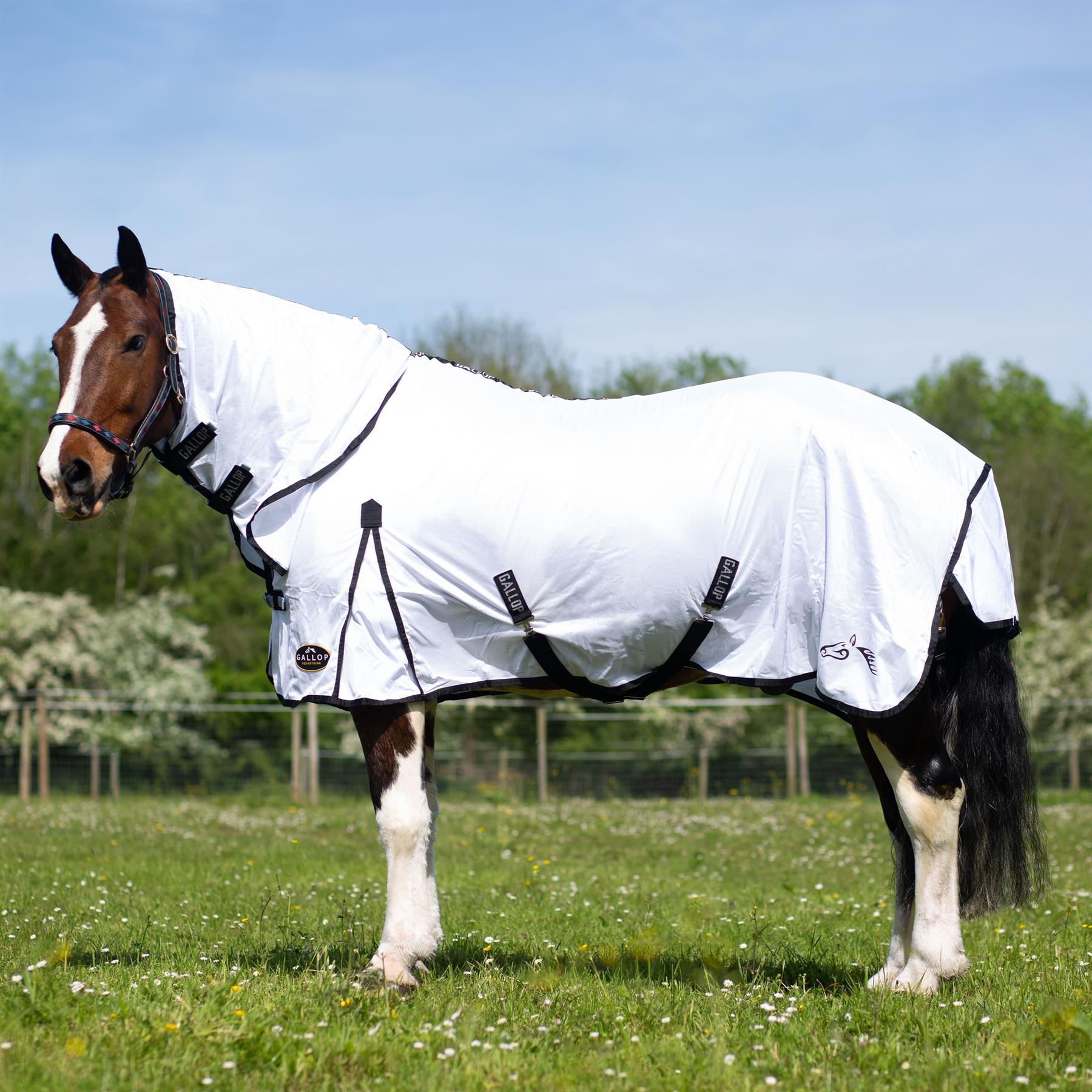
Mosquito Management: Efforts to control mosquito populations pay off significantly in reducing WNV transmission. Key strategies include eliminating sources of stagnant water which serve as mosquito breeding grounds and opting to stable horses during peak mosquito activity (from dusk till dawn). Using appropriate insect repellents can add an extra layer of security.
The Role of Surveillance and Communication
The Equine Disease Communication Center (EDCC) stands as a crucial hub for tracking and spreading information regarding equine diseases like WNV. Through timely updates and disseminations, such platforms empower veterinarians and horse owners to make informed decisions. This underscores the value of an organized communication network in containing and managing outbreaks effectively.
Areas Ripe for Further Research
- **Vaccination Strategies:** Research is necessary to gauge the efficacy of various vaccination protocols and identify barriers hindering vaccine uptake.
- **Disease Surveillance:** There's a need to examine how bodies like the EDCC impact early detection and overall disease communication.
- **Emerging Threats:** A watchful eye on global patterns in equine infectious diseases, especially vector-borne, enables strategic planning.
- **Mosquito Control:** Innovative and tailored mosquito management protocols should be investigated for better environmental fit.
- **Outbreak Management:** Interactive case studies can significantly inform best practices for diagnosis and treatment during outbreaks.
Conclusion: A Unified Approach for Equine Safety
This 2025 Michigan case serves as a stern wake-up call about the omnipresent threat posed by mosquito-borne diseases, specifically West Nile Virus. Horse owners, veterinarians, and public health authorities must champion vaccination and mosquito control as paramount strategies. By fostering ongoing research and education, we pave the way for a resilient defense system not only for equine health but public health at large.
Acknowledgement
For factual updates and resources on equine infectious diseases, the Equine Disease Communication Center (EDCC) remains an invaluable asset. Visit their [website](http://www.equinediseasecc.org/) for more information.
Sources:
- "https://www.thehorse.com/articles/XXXX-michigan-filly-tests-positive-for-wnv"
- "https://wwmt.com/news/state/missaukee-county-horse-first-detected-case-of-west-nile-virus-in-2025-state-vet-says"