What Are Quarter Cracks in Horses?
Quarter cracks are pesky little fissures that can cause significant headaches for horse owners, particularly those with sport horses. These cracks occur on the hoof wall, usually due to uneven pressure distribution. Think of it as the horse version of trying to walk comfortably in an ill-fitted shoe. They're primarily caused by asymmetrical hoof landings and conformation issues, but there's more to the story than just a wonky hoof strike.Causes and Contributing Factors
While at first glance, quarter cracks might seem like simple cracks in the hoof wall, they're often linked to deeper issues. The hoof cracks more readily when one side is overloaded, a common scenario if the horse's conformation predisposes it to land unevenly. This typically sees the outside (lateral) side of the hoof hitting the ground first, followed by the inside (medial) aspect taking the brunt of the load. Here’s where it gets tricky — conformational irregularities, like rotational deformities or an unfortunate clubfoot, can exacerbate this imbalance and instigate the distortions that lead to cracks. So, if your horse has inherited a less-than-perfect foot from dear old dad, quarter cracks might just come knocking.Improper shoeing, poor trimming techniques, genetic defects, and even traumatic injuries add to the melange of causes. Oversight on some of these aspects could indeed turn a hairline crack into a full-blown fissure in no time.
Strategies for Managing Quarter Cracks
Tackling quarter cracks requires addressing that lopsided landing leg syndrome head-on. Thankfully, corrective farriery has galloped to the rescue with methods that, when applied effectively, can keep your hoofed companion happy and high-tailing down the trail.Corrective Trimming and Shoeing
Enter stage left: specialized shoeing and trimming techniques. One popular strategy involves removing shoes for a brief stint, trimming the heels to synchronize with the frog, and applying spider plate shoes. These adjustments help redistribute weight and relieve excess stress points on the hoof. Additionally, the use of lateral extensions on shoes can help shift pressure away from those more troubled hoof areas.Proper management is akin to finding that comfortable shoe cushioning that uniformly supports your foot — offer the hoof comparable comfort, and you ward off further cracks.
Crack Stabilization
To prevent any further damage while letting the horse return to their regular shenanigans, stabilizing the crack is crucial. Techniques vary but can involve wiring the crack area, patching it up, or employing acrylic fillers that provide extra support. Imagine slapping on a snap-on bandage that guards and strengthens until the crack heals from within! The goal, of course, is to ensure that by the time the hoof has grown out and the crack has descended with it, there's barely a trace of the initial break.The Role of a Nutritious Diet
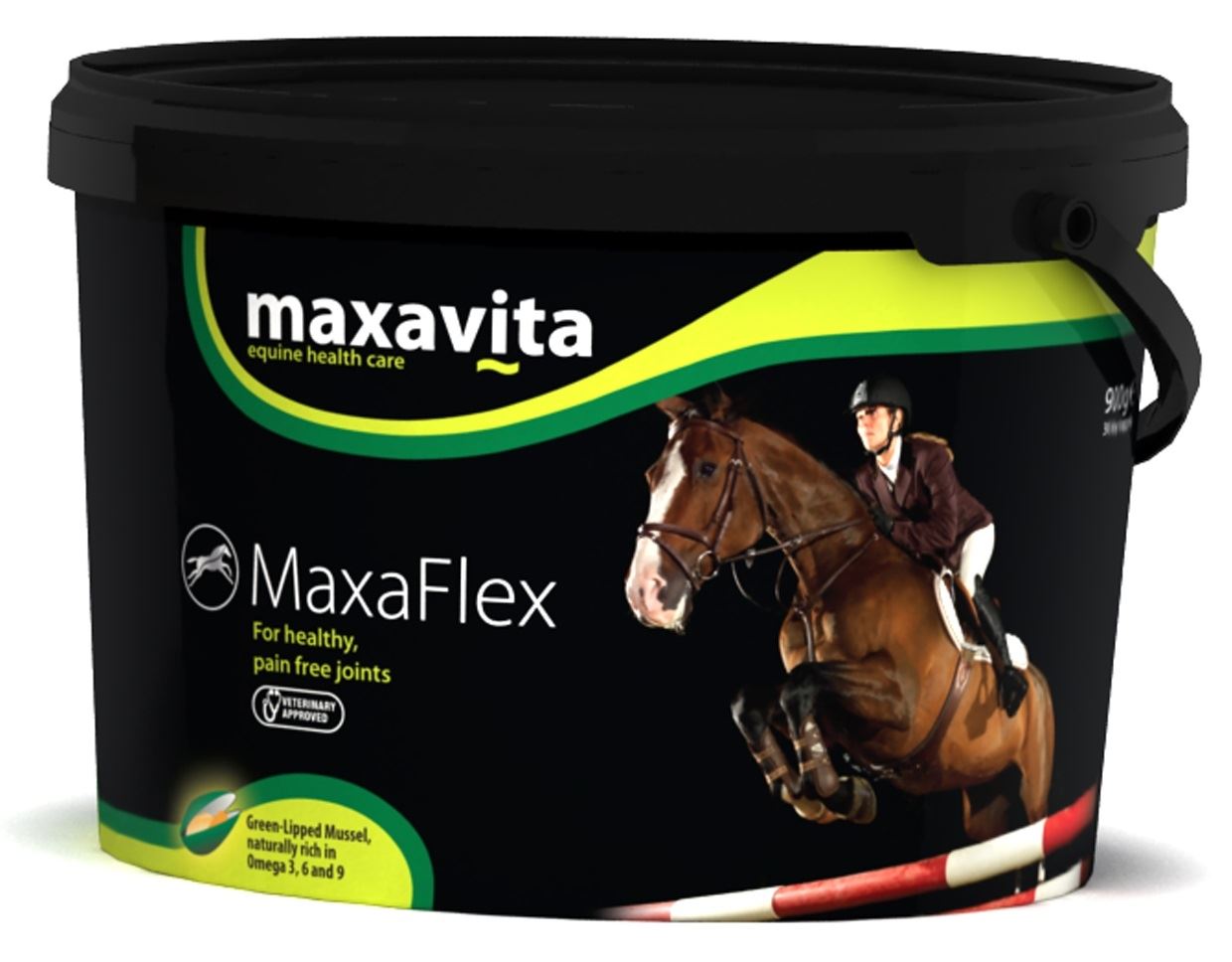
Healthy hooves start with proper nutrition. A diet chock-full of biotin and other nutrients like methionine and sulfur can fortify the horn growth, making hooves less prone to splitting and damage. Consider dietary supplements the equivalent of using high-quality building materials for constructing a sturdy house — they provide the foundation for resilience against cracks.New Horizons: The Importance of Research
As quarter cracks continue to challenge equine well-being, there is a burgeoning need for further research and innovation. New farriery techniques and materials, comparative studies on hoof care across various horse breeds, a deeper understanding of how biomechanics affect hoof health, and breakthroughs in veterinary treatments could alter the landscape of how these issues are managed.Conclusion: Keeping Your Horse on Their Perfect Hooves
Quarter cracks, though tricky to tackle, are not insurmountable with the right strategies in place. Addressing underlying causes, implementing corrective foot care, and ensuring a horse's diet supports robust hoof health are key to leading these cracks to pasture. What's more, as advances in horse care gallop forward, they'll come brandishing even more solutions to keep our four-legged companions active, healthy, and happily trotting through their days. Remember, ensuring equine hoof health isn't just about avoiding cracks — it's about fostering an overall sense of well-being for your beloved steeds, from mane to tail and everything between.Sources: The article drew insight from Stacey Oke, DVM, MSc's work, "Understanding and Managing Quarter Cracks in Horses," as hosted within the known confines of "The Horse" publication, and corresponding details from Mid Rivers Equine Centre.