Balancing Act: Managing Weight Loss in Ulcer-Prone Horses
Managing weight loss for horses with gastric ulcers is akin to walking a tightrope. On one side, these majestic animals need to shed those extra pounds for optimal health; on the other, the risk of exacerbating painful gastric ulcers looms large. To navigate this narrow path, one requires a blend of equine nutrition knowledge, patience, and perhaps a touch of humor when things don't go as planned.
Understanding Equine Gastric Ulcer Syndrome (EGUS)
Equine Gastric Ulcer Syndrome (EGUS) is a common ailment, especially in performance horses who live life in the fast lane. It involves the erosion or ulceration of the horse's stomach lining, most frequently found in the nonglandular squamous mucosa. Think of it as heartburn that took a wrong turn and set up camp in the wrong neighborhood.
EGUS Risk Factors You Should Know
Horses don't develop ulcers from sneaking an extra sugar cube. The causes of EGUS are multifaceted:
- Diet: High-grain diets can transform into stomach-damaging volatile fatty acids. Also, forage restriction can invite disaster.
- Stress: Equines aren't fond of rodeo-level stress. Think long hours confined to stalls, or experiencing the chaos of a buddy leaving the herd.
- Performance Pressures: Horses in competitions bear tremendous physical demands that, accompanied by dietary pressure, increase EGUS risks.
The Conundrum of Weight Loss for Ulcer-Struck Horses
Overfeeding causes weight gain, but cutting back diets can worsen EGUS. As you tiptoe along the line of helping your horse lose extra weight without fostering ulcers, here are some battle-tested strategies:
Consistent Access to Quality Forage
Gastric ulcers are surreptitiously helped by high-quality forage. Forage acts like a cushion, dampening stomach acid and shielding against ulcers. However, for the overweight, it means feeding enough to buffer acid but limiting the calorie intake. It's more complex than explaining algebra to a cat.
Safe Strategies for Weight Loss
Embark upon gradual weight loss—aim for no more than 0.5-1% of body weight per week. This avoids the dizzying effects of rapid dietary shifts. A balanced diet high in fiber, vitamins, and minerals keeps nutrition intact. High-quality hay and small portions of concentrates are your allies.
Supplement Smart
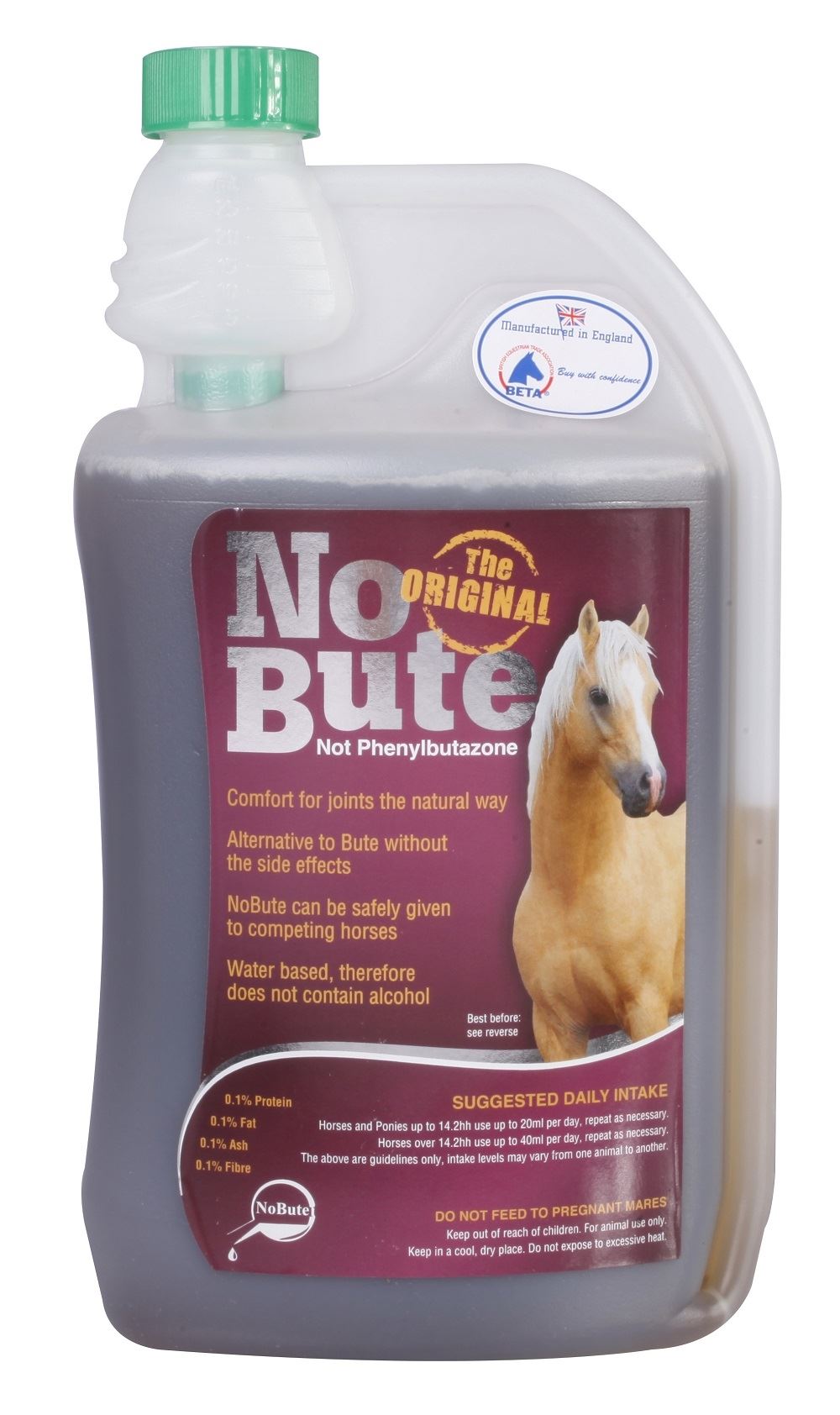
Consider strategic supplementation. Collaborate with your veterinarian about adding antacids or mucosal protectants to manage gastric health. However, remember not every horse friend can be supplemented like a protein shake after a gym workout—vet advice is gold!
Tame the Exercise Beast
Control the exercise frenzy by dialing down the intensity. Ensure exercise routines are cautiously intensified to avoid a surge in ulcers, which can be as stubborn as that one horse who loves staying out in the pasture all day.
Nutrition and Exercise: The Dynamic Duo
Recent advances in nutritional science highlight amino acid nutrition for exercising horses. Amino acids are superheroes sustaining muscle health and fortifying overall performance, minus digestive fireworks. Like that secret ingredient in a dish that leaves everyone guessing, these nutrients work below the radar.
Practical Tips for Owners and Horse Whisperers
Embark on your weight loss mission with these resourceful tips:
- Partner with Vets: Get cozy with the vet's office for an EGUS diagnosis—diagnostics involving endoscopy could be on the cards.
- Diet Monitoring: Keep meticulous diet logs, ensuring a balanced nutrient intake and restrained calories.
- Modify the Fitness Routine: Adjust exercises progressively to avoid ulcer stress.
- Health Inspections: Perform regular health checks to catch any EGUS signs early.
The Takeaway
Conquering the conundrum of weight loss in horses with gastric ulcers demands a trifecta of nutritional wisdom, regulation of exercise, and digestive care. Maintaining consistent forage access, employing safe weight strategies, and customizing exercise programs assure well-being and optimal performance. It's like training for a marathon rather than a sprint—slow, steady, with lots of cheering (and neighing) along the way.
For more in-depth information, visit Mad Barn.