Understanding Eastern Equine Encephalitis (EEE): A Threat to Horses
Eastern Equine Encephalitis (EEE) is a serious concern in regions like Florida, particularly for those who cherish their equine companions. Unfortunately for a yearling Quarter Horse gelding in Brevard County, EEE led to a tragic outcome in July 2025, marking the sixth confirmed case of the disease in the state that year. Here's what you need to know about EEE and how to protect your horses from this mosquito-borne menace.
What is EEE?
EEE is a mosquito-borne viral disease primarily transmitted by mosquitoes that have bitten infected wild birds. While it affects horses, humans, and birds, horses do not transmit the virus to other animals or humans. The disease causes inflammation of the brain and spinal cord in horses, often with devastating consequences. Manifestations can include a high fever, loss of coordination, convulsions, and paralysis. EEE is notorious for its high mortality rate, approaching 90% for horses showing clinical signs.
Prevention is Key
Given the bleak prognosis for horses with EEE, prevention is crucial. Here are some strategies:
- Regular vaccination: Vaccination remains the most effective means of protecting horses from EEE. It is especially essential in endemic regions such as Florida.
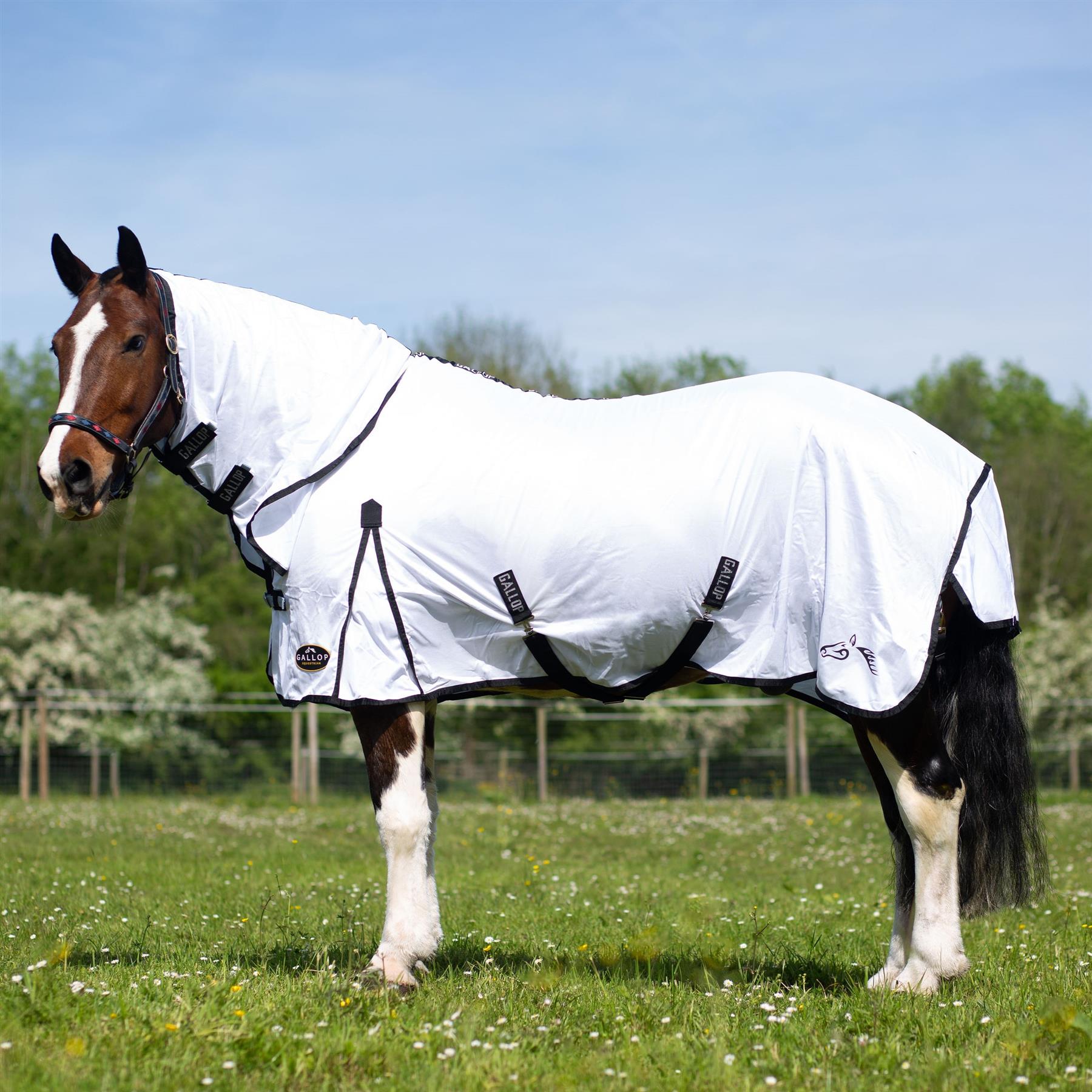
- Use insect repellent: Applying insect repellents and installing physical barriers like screens and fans in stables can help reduce mosquito exposure.
- Control mosquito breeding sites: Eliminate standing water where mosquitoes lay eggs to diminish the mosquito population in your area.
- Stay vigilant: Early detection of symptoms and consulting with a veterinarian promptly can make a significant difference.
The Importance of Awareness and Education
Institutions like the Equine Disease Communication Center (EDCC) are critical in spreading awareness about EEE and other equine diseases. Through initiatives such as the EDCC Health Watch, they provide timely information on outbreaks, helping horse owners make informed decisions. Increasing awareness and promoting proactive management are pivotal in reducing the incidence of diseases like EEE.
The Larger Picture: Mosquito-Borne Diseases
EEE highlights a broader concern regarding mosquito-borne diseases. It's not just horses at risk; humans and birds can also be affected. This underlines the importance of mosquito control strategies in public health, especially during peak mosquito seasons when breeding conditions are favorable.
Recent outbreaks in other states, such as South Carolina, further underscore the threat posed by EEE and the need for ongoing vigilance. It becomes clear that coordinated efforts are necessary to manage the challenges posed by these vectors.
Take Action for Equine Safety
While it may not be feasible to eliminate mosquito-borne diseases entirely, equine enthusiasts can take actionable steps to protect their beloved horses. Ensuring regular vaccinations, maintaining a mosquito-controlled environment, and staying informed about local outbreaks can significantly mitigate risks.
Let the unfortunate case of the Florida yearling serve as a sober reminder of the stakes involved. Vigilance, preparation, and education remain our most potent weapons in the battle against EEE and its ilk.
For more detailed information, visit the Equine Disease Communication Center at https://www.equinediseasecc.org/.
For further reading, you can refer to the following source: The Horse