The Rising Concern of West Nile Virus in Horses
The story of a yearling Standardbred filly in Ontario's Regional Municipality of Waterloo, who was sadly euthanized due to the contraction of West Nile Virus (WNV), shines a light on the ongoing battle against this lethal, mosquito-borne disease. With this being Ontario's first confirmed equine case for the year, the incident underscores the importance of vigilance and preventive measures in safeguarding horse populations.
West Nile Virus: A Quick Overview
West Nile Virus is a mosquito-transmitted flavivirus that principally targets birds, humans, and horses. In equines, the mortality rate with WNV can be as high as 30-40%, making it a serious threat. While the virus affects the neurological system, horses may show a range of symptoms including depression, loss of appetite, and progressive neurological signs like muscle tremors and facial paralysis. It’s quick to escalate and potentially fatal, a sobering fact for equine caretakers.
The Role of Vaccination
Vaccination stands as the cornerstone in the prevention of WNV in horses. The initial vaccination needs two doses spaced apart, followed by annual boosters. For areas plagued by lengthy mosquito seasons, veterinarians often recommend biannual boosters to ensure immunity does not wane. The filly in Ontario, unfortunately, was unvaccinated, thus underscoring the necessity of completing the vaccination protocol to confer adequate protection.
Mosquito Control: Preventive Strategies
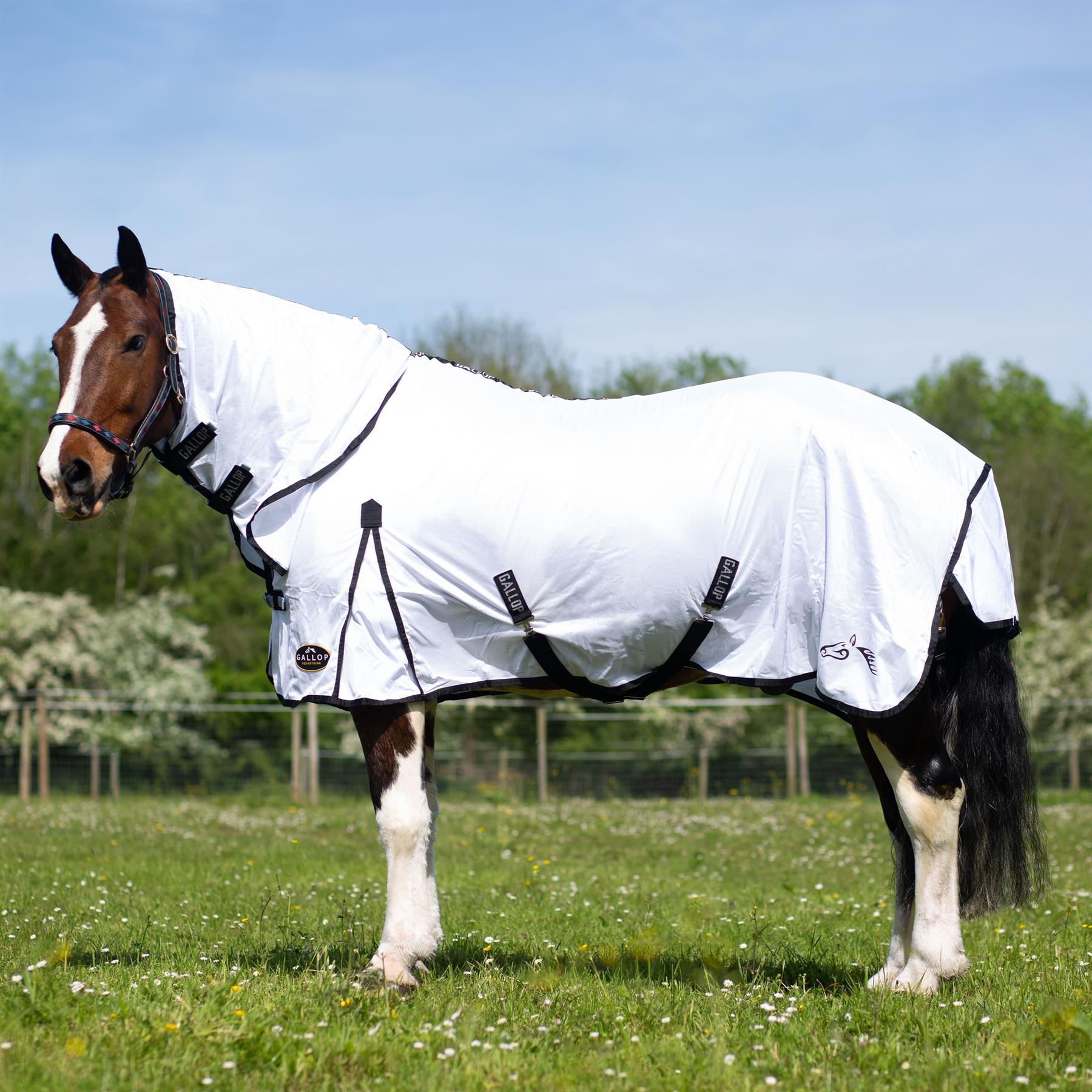
While vaccination is critical, environmental management plays a supportive role in prevention. Efforts should focus on mosquito control by removing stagnant water and curtailing outdoor exposure for horses during peak mosquito hours—dawn and dusk. These practical measures may seem minor, but they are indispensable for reducing mosquito populations and breaking the WNV transmission cycle.
Managing Outbreaks and Enhancing Awareness
Organizations like the Equine Disease Communication Center (EDCC) and the Ontario Animal Health Network (OAHN) have been pivotal in monitoring and reporting WNV cases. By issuing timely alerts and providing accessible data, they empower horse owners and veterinarians with the information needed to implement preventive measures and respond swiftly to potential outbreaks.
The Importance of Proactive Measures
This unfortunate case serves as a poignant reminder of the persistent threat posed by WNV to equine health in Canada. It highlights the critical importance of ongoing vaccination and robust mosquito management to safeguard horses from this potentially lethal disease. As horse owners, staying informed through reliable sources such as the Equine Disease Communication Center and Standardbred Canada can prove invaluable in mounting an effective defense against WNV.
Concluding Thoughts
While humor may not find its way naturally into a conversation about infectious diseases, it's worth noting that prevention doesn't have to be a grim affair. With annual vaccines, timely information, and strategic mosquito management, horse owners can tip the scales in favor of their equine companions staying healthy and spirited. As you look into your horse's eyes, remember: a jab today could be the key to endless gallops tomorrow.
Stay informed, stay proactive, and above all, let's keep our equine friends safe from the harmful clutches of the West Nile Virus.