Understanding Eastern Equine Encephalitis: A Growing Concern in the Equine World
In Telfair County, Georgia, a hair-raising revelation has emerged with a horse testing positive for Eastern Equine Encephalitis (EEE), marking the second occurrence in the state for 2025. EEE, a formidable mosquito-borne viral disease, poses significant threats to horses, humans, and birds. However, due to low viral levels in equines, this disease is not directly transmissible from horses to other animals or humans. So, while Mr. Ed might narrate his tale of woe, relax! He's not going to pass it on to you.
The Frightening Facts About EEE
EEE is not your garden-variety mosquito-borne ailment; it’s among the most severe in the U.S. With its high mortality rate, this disease deserves attention. The virus primarily circulates between wild birds and mosquitoes, the latter being the uninviting messengers that spread the virus to unsuspecting horses and humans.
When considering clinical signs in horses, you're looking at a rogue's gallery of symptoms: fever, depression, impaired vision, and unfortunately, sometimes a grim finale of paralysis or seizures. Up to a staggering 90% mortality rate among infected horses makes EEE a cause for late-night stall inspections and mosquito-proofing binges. As devastating as this seems, the primary focus, as it stands, is supportive care to aid these majestic creatures in their time of need.
Prevention: No Wings Required
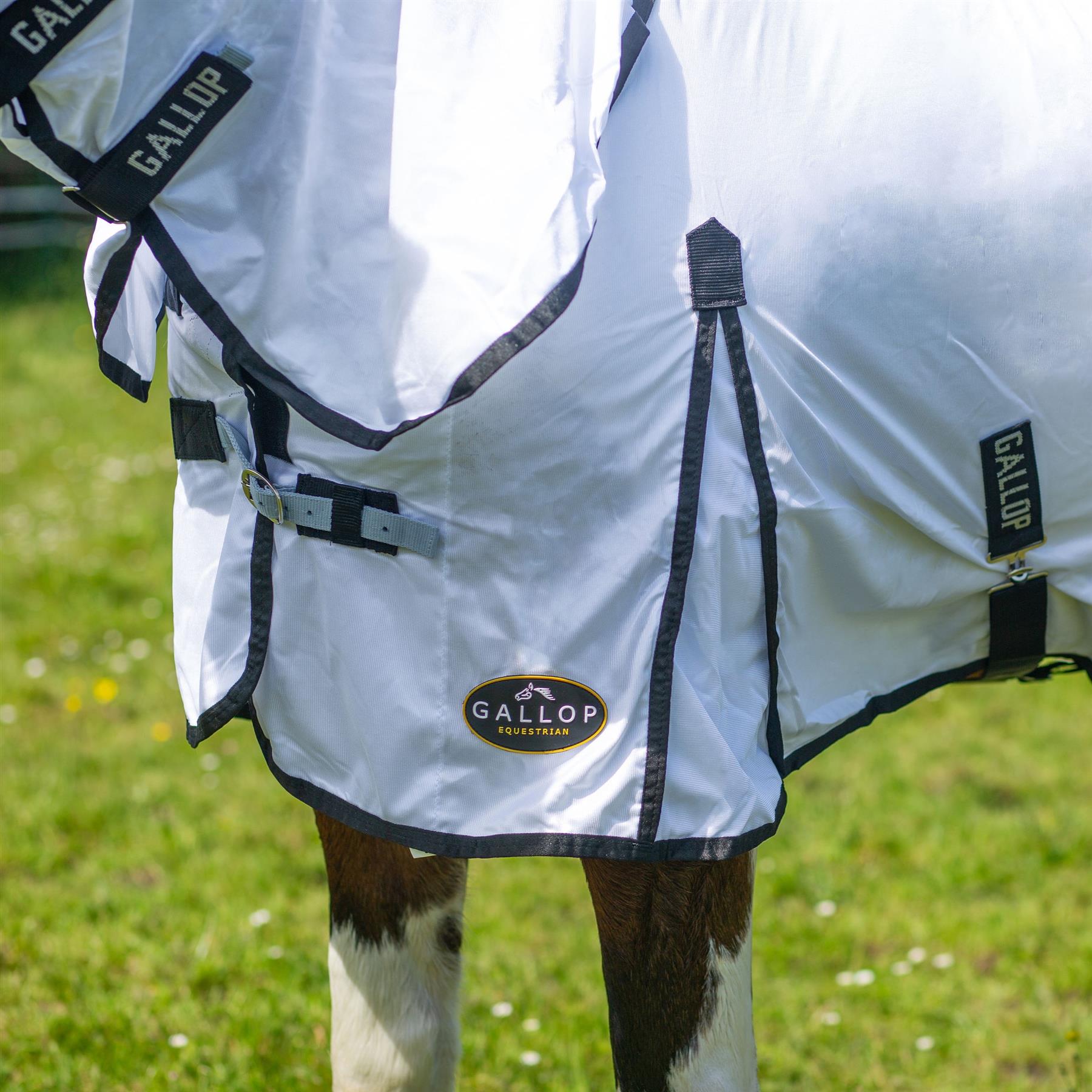
With the absence of a cure, prevention takes center stage. Annual vaccinations emerge as the knight in shining armor, particularly in regions with a history of EEE outbreaks and a perennial mosquito population. Does your wardrobe boast a questionable 80s jumpsuit? Well, your horse's tack room should offer a more contemporary solution–EPA-approved mosquito repellents!
For enhanced protective measures, consider scheduling horsey house parties indoors during peak mosquito shindigs at dawn and dusk. With a “Mosquitoes Not Welcome” mat in full view, eliminate breeding by actively seeking and destroying standing water. Maintain clean water supplies and use fans around horse facilities to create a hostile environment for unwanted flying visitors.
The Role of the Equine Disease Communication Center (EDCC)
Many a sleepless night has been averted thanks to EDCC, a proactive initiative offering timely updates about infectious diseases. Armed with industry support, this noble establishment ensures public access to essential infectious disease data—a must-have for diligent equine health management. Stay informed and hit that bookmark button for a future fraught with fewer EEE outbreaks.
Environmental Changes and Vigilance
As climate change and environmental influences continue to stir the mosquito pot, keeping a watchful eye on their populations is crucial. Continued scrutiny, vaccination programs, and stringent mosquito control endeavors remain vital to safeguarding our equine companions.
In closing, EEE poses a legitimate threat, demanding our attention and readiness. The balance between nature and prevention isn’t just about wearing a comical mosquito hat—it’s about safeguarding the lives of these extraordinary creatures. Equip your facilities, educate your staff, and remember: a proactive approach is your best defense against this persistent menace.
For further enlightening reading on EEE and preventative strategies, you can visit TheHorse.com and MadBarn’s comprehensive outline on EEE. Stay informed, and keep our equine friends safe!