Understanding the West Nile Virus Threat in Equines
Two recent cases of West Nile Virus (WNV) in Indiana horses have highlighted the ongoing threat posed by this virus to equine populations. These incidents serve as a sobering reminder of the importance of vaccination and effective mosquito control measures. But what exactly does this virus entail, and how can horse owners protect their animals?
What is West Nile Virus?
West Nile Virus is a mosquito-borne illness that can affect a variety of species, including horses and humans. The virus primarily causes neurological symptoms in equines, and troublingly, there is no cure. Key symptoms to watch for include muscle twitching, fever, ataxia, hyperesthesia, and, in severe cases, paralysis. Unfortunately, mortality rates for infected horses range from 30% to 40%, underscoring the potential severity of this disease.
The Indiana Outbreaks: A Closer Look
In two separate instances, WNV was detected in horses located in Adams and Jay counties, Indiana. The affected horses—a 2-year-old Standardbred filly and a 3-year-old Belgian gelding—both exhibited severe neurological symptoms before being confirmed as positive for WNV. A critical note here is that neither of these horses had been vaccinated, emphasizing the crucial role vaccinations play in prevention.
Statewide, WNV remains a significant concern, having been identified in mosquito pools across 27 counties in Indiana in 2025. Notably, the first human case of WNV this year was reported in Vanderburgh County, reflecting the broader public health implications associated with the virus.
The Necessity of Vaccination
Vaccination stands as the primary line of defense against WNV in horses. It has been shown to significantly decrease both the occurrence and severity of the virus. While it may generally seem that horse owners understand the necessity for vaccinations, these cases highlight vaccination gaps that must be addressed urgently.
According to data from the Equine Disease Communication Center, a surprising number of equines remain unvaccinated against WNV, representing a critical oversight in equine health management. For horse owners, adhering to rigorous vaccination protocols is a straightforward strategy to mitigate the potential impact of this virus.
Effective Mosquito Management Practices
Vaccine coverage is only part of the solution. To bolster their horses’ defenses, owners should integrate comprehensive mosquito management practices. Reducing horses' risk of exposure means implementing control measures such as:
- Eliminating standing water where mosquitoes breed.
- Keeping horses indoors during peak mosquito activity periods (dusk and dawn).
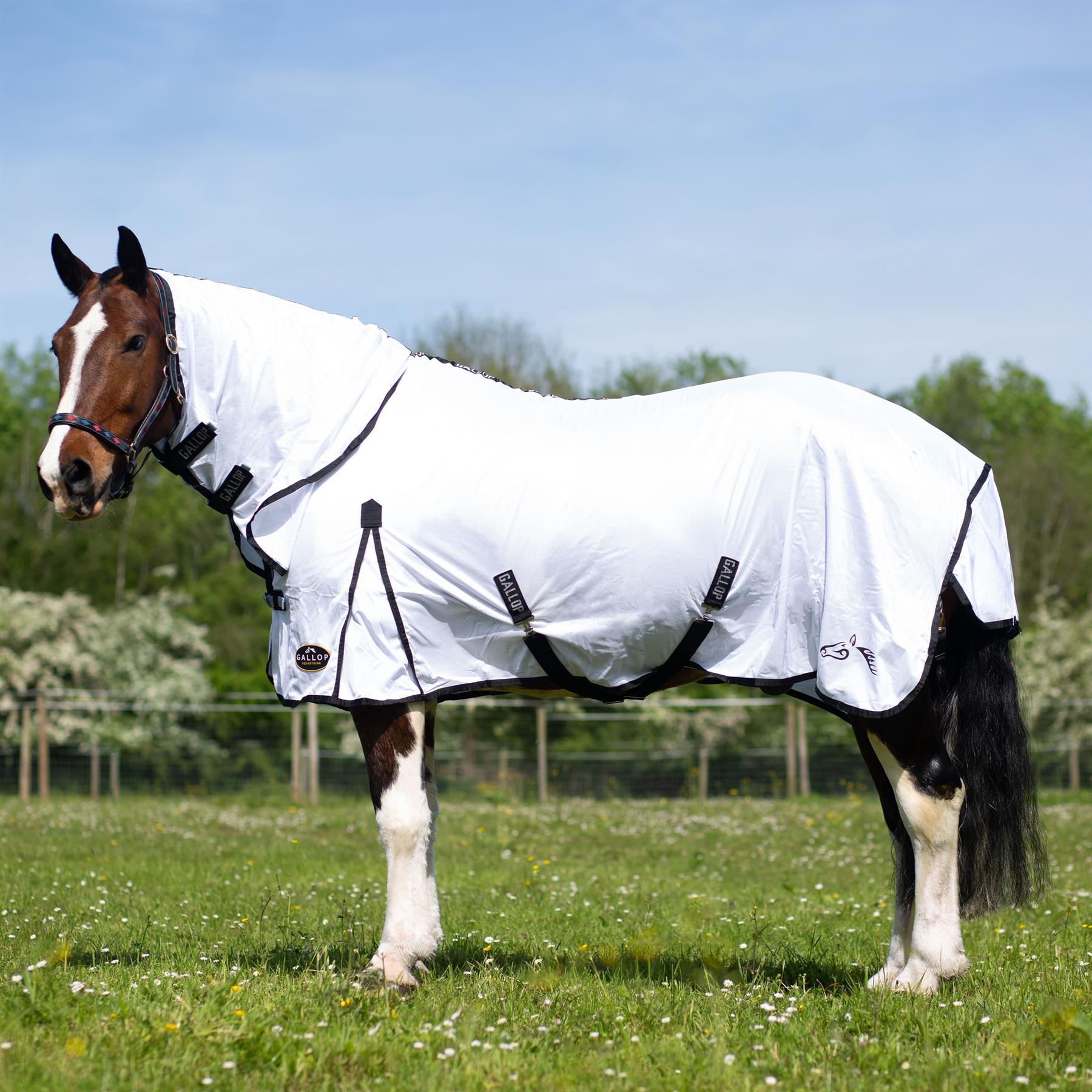
- Using insect repellents approved for equine use.
Indiana has robust mosquito surveillance initiatives which are crucial in monitoring viral activity. Enhanced mosquito control can help limit the spread of WNV, benefiting not only equine populations but the wider community as well.
Conclusion: Stay Vigilant, Stay Prepared
The recent WNV cases in Indiana should act as both a warning and a reminder. With the increased presence of WNV-positive mosquito pools throughout the state and associated public health risks, preventive action among the equine community is imperative.
Ultimately, the calls to action are simple yet vital: ensure horses are vaccinated and diligently adhere to mosquito management practices. This proactive approach is not just about keeping individual horses safe but safeguarding entire equine communities and the people who share their environments.
For more information about West Nile Virus and equine preventative measures, horse owners and health professionals can visit resources such as the Indiana State Board of Animal Health and the Equine Disease Communication Center.
By remaining vigilant and prepared, we can effectively reduce the threat of WNV and promote healthier environments for our valued equine companions.
For further reading and resources, check here.