Understanding Eastern Equine Encephalitis: A Threat to Horses and Humans
Eastern Equine Encephalitis (EEE) is not just a scientific term reserved for veterinarians or horse enthusiasts—it's a dire concern for anyone living in mosquito-prone areas, especially in Florida. This fatal disease, primarily affecting horses, has sparked fears among horse owners. Let's delve into what EEE is, understand its causes, and discuss how horse owners, vets, and the community can prevent it.What is Eastern Equine Encephalitis?
Eastern Equine Encephalitis is a mosquito-borne disease that causes inflammation of the brain and spinal cord in infected animals, with a particularly high mortality rate in horses, ranging from 75% to 95%. As if dealing with mosquitoes wasn't annoying enough! The virus is transmitted when mosquitoes feed on infected wild birds, the natural reservoir, before flying off for a blood meal from unsuspecting horses or humans. Though rare in humans, the disease carries a severe threat with a mortality rate of approximately 30%.Recent Outbreaks: A Rising Concern
Florida, a state renowned for its sunshine and its share of mosquitoes, has been experiencing a surge in EEE cases. As of July 2024, 19 cases were confirmed, including a vaccinated 7-year-old Dutch Harness mare in Levy County and an unvaccinated Gypsy Vanner stallion in Holmes County. The disease manifests through a range of alarming symptoms, including depression, incoordination, cranial nerve paralysis, and often, sadly leads to euthanasia as seen in recent cases (Source: FTBOA).Measuring the Impact and Taking Control
Diagnostic tests for EEE include serum titers measurements using an ELISA, or sometimes PCR, but with no cure in sight, treatment generally focuses on supportive care. This necessitates the importance of horse owners adopting comprehensive preventive strategies:- Vaccination: A significant shield against EEE. Ensure horses are up-to-date with EEE vaccines, deeming it a core vaccination requirement.
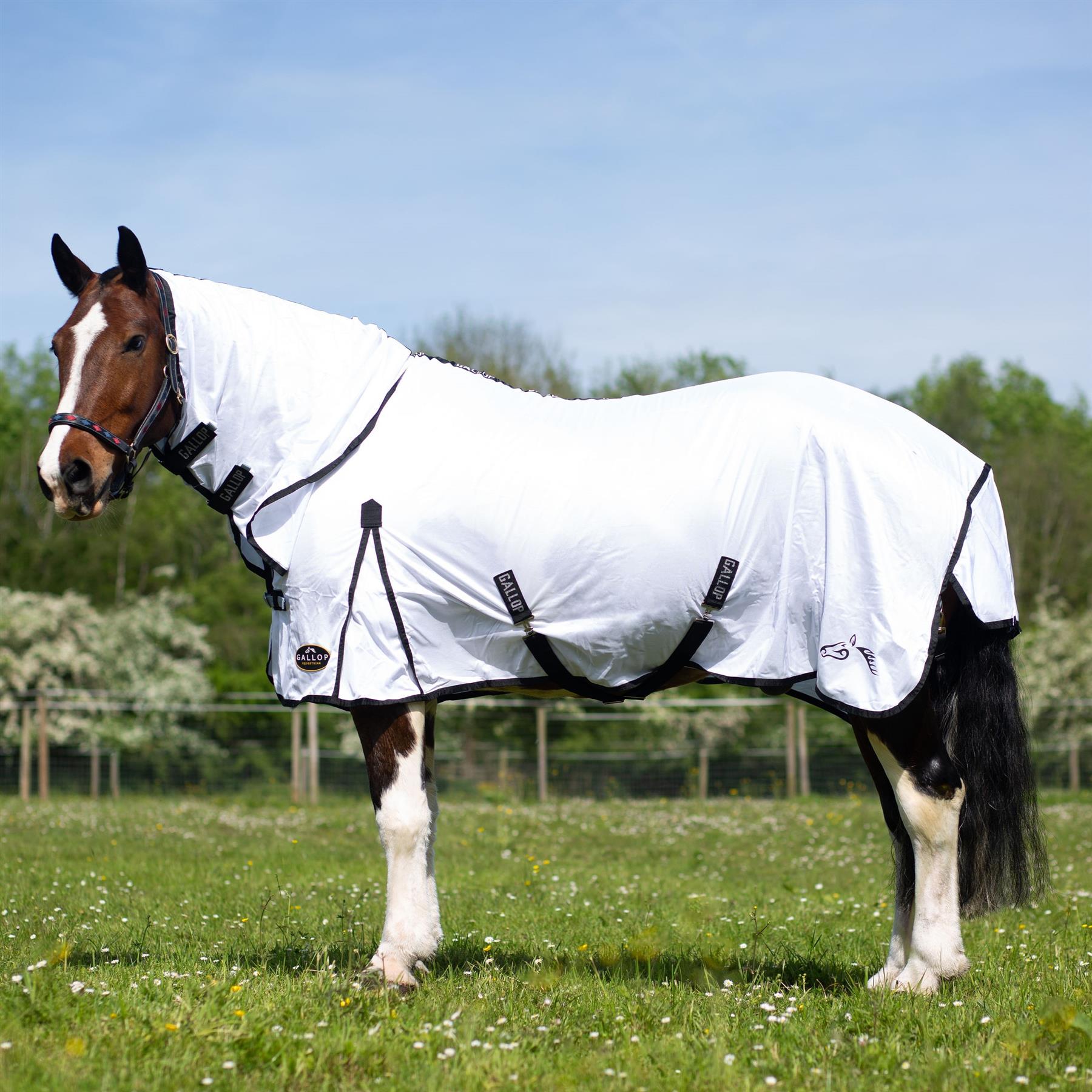
- Mosquito Control: Look for the source! Eliminate standing water, use repellents, and stable horses during peak mosquito hours to minimize exposure.
- Environmental Management: Consistent environment checks and strategizing to reduce mosquito habitats is essential.