Understanding Eastern Equine Encephalitis (EEE) and Its Impact on Equine Health
Eastern equine encephalitis (EEE) is a formidable threat to horses, manifested in recent events like the unfortunate incident in Oswego County, New York, where an unvaccinated yearling colt succumbed to the disease. This article delves into the nature of EEE, its transmission, and preventive measures critical for protecting equine populations.
What is EEE?
Eastern equine encephalitis is a mosquito-borne viral disease, predominantly transmitted through mosquitoes that have previously fed on infected bird populations. Although the disease is not directly contagious between horses or from horses to humans, it requires a mosquito vector to spread. EEE is infamous for its high mortality rate and is considered one of the most severe mosquito-borne diseases affecting horses in the United States.
The Transmission Dynamics
The transmission of EEE is rather indirect. Mosquitoes act as carriers, and when they bite infected birds, they acquire the virus. These mosquitoes can then infect horses and, occasionally, humans. Bird populations play a significant role in maintaining the virus in the environment, but they usually do not show symptoms of the disease.
Mosquito Vectors and Environmental Factors
The prevalence of mosquito activity and the presence of infected bird reservoirs exacerbate outbreaks of the disease. Environmental factors such as warm weather and the availability of standing water can increase mosquito populations, thereby elevating the risk of transmission.
Preventive Measures for EEE
Effective prevention strategies are crucial in managing EEE risks. Understanding these methods is not only vital for horse owners but also contributes to broader public health efforts.
- Vaccination: The CDC and veterinarians alike emphasize the importance of vaccinating horses. Annual immunizations are recommended, particularly in areas with known EEE activity.
- Mosquito Control: Reducing mosquito breeding grounds is essential. This can be achieved by eliminating standing water and employing environmental and chemical mosquito control measures.
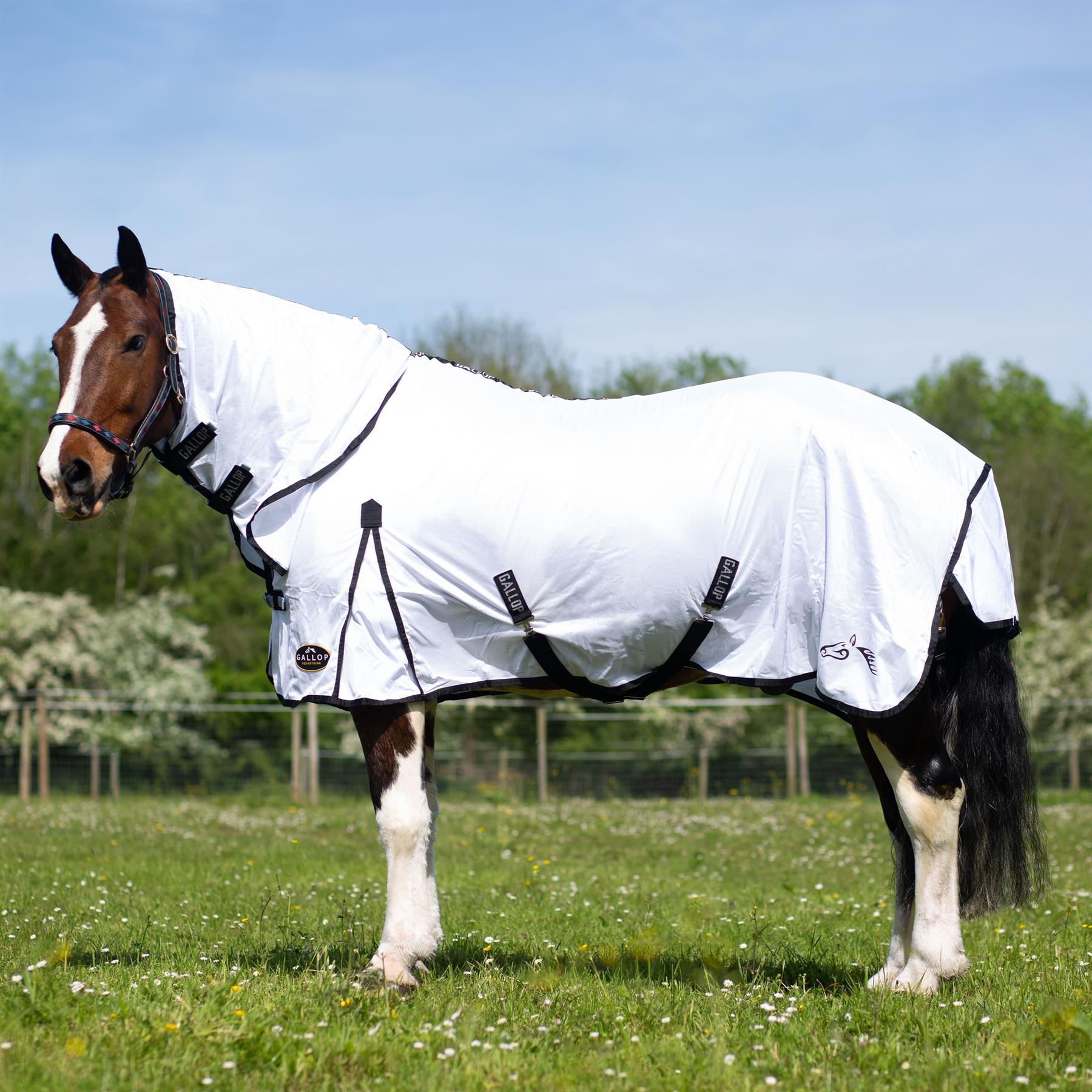
- Stable Management: Utilizing insect repellents, especially during dawn and dusk, along with fitting stable screens, can protect horses by reducing their exposure to mosquitoes.
The Role of Public Health Initiatives
Broader initiatives such as the Equine Disease Communication Center (EDCC) Health Watch play a pivotal role in disseminating timely disease alerts and information to horse owners. These programs help in the proactive monitoring of emerging threats and encouraging preventative measures within the equine community.
Research Opportunities
Further research is necessary to enhance our understanding of the ecology of EEE virus vectors. This includes studying the role of avian hosts in viral maintenance and advancements in mosquito control technologies. Moreover, assessing vaccination trends across different regions can provide insights into improving preventive strategies and ensuring equine health and safety.
Conclusion
In conclusion, the tragic case in New York serves as a crucial reminder of the lethality of EEE to unvaccinated horses. It stresses the need for rigorous vaccination programs and integrated mosquito control efforts to avert similar outcomes. By paralleling knowledge with action, horse owners, supported by public health initiatives, can significantly reduce the impact of this devastating disease.
For those with a vested interest in equine health or public health, exploring the epidemiology of EEE, understanding the role of bird populations, and staying abreast of mosquito control advancements offer opportunities to contribute positively to managing this threat.