Protecting Our Equine Friends Understanding West Nile Virus Prevention And Management For Horses
Understanding West Nile Virus in Horses: Prevention and Management
West Nile virus (WNV) is a serious threat to equine health, as evidenced by a 5-year-old unvaccinated Appaloosa mare in Kiowa County, Oklahoma, testing positive. This case highlights the importance of vaccination and proactive mosquito control. Let's delve into how WNV affects horses and the steps owners can take to protect their equine friends.
What is West Nile Virus?
WNV is a mosquito-borne flavivirus impacting birds, humans, and horses. Horses, in particular, can suffer severe neurological repercussions such as weakness, incoordination, limb paralysis, and even death. Alarmingly, the fatality rate for clinically affected horses ranges from 30-40%, a stark reminder of the virus's lethality. Diagnosis relies primarily on blood serum testing using enzyme-linked immunosorbent assay (ELISA). However, since a definitive cure remains elusive, supportive care becomes the primary treatment method.
Vaccination: A Vital Preventive Measure
The most effective defense against WNV is vaccination. Horses require an initial dose followed by a booster four to six weeks later, with annual revaccinations thereafter. In areas plagued by extended mosquito seasons, biannual boosters might be necessary. Vaccination isn't just a recommendation; it's a lifeline for horses. For further reading on WNV vaccines, consider these advancements and their impact on equine health.
Mosquito Control: Another Line of Defense
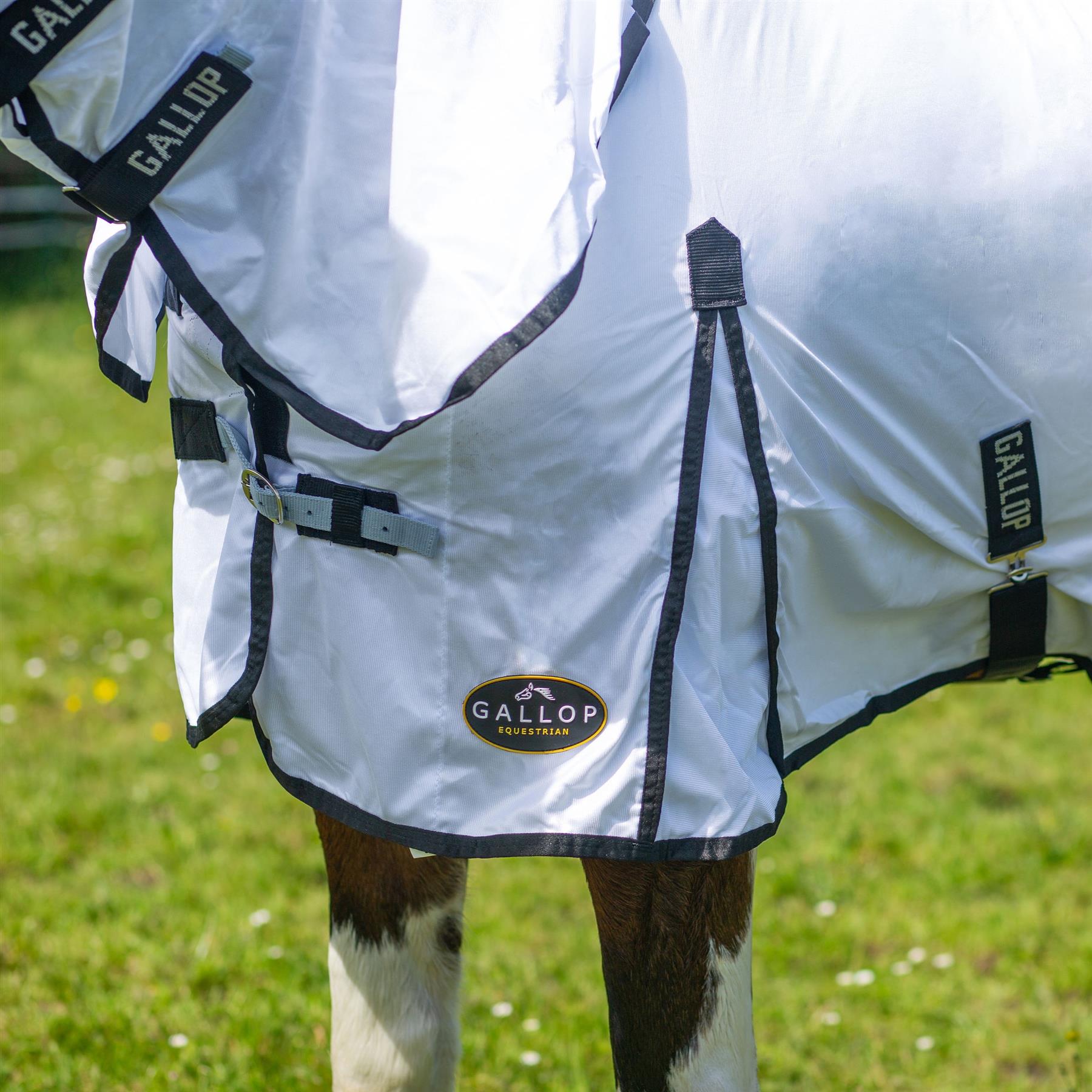
In addition to vaccination, controlling mosquito populations is crucial in reducing WNV risk. Strategies include removing stagnant water where mosquitoes breed, using insect repellents on horses, keeping horses indoors during peak mosquito activity (dusk and dawn), and maintaining a tidy environment free of overgrown brush, gutters, and discarded tires. Think of mosquito control as armor: it may not stop every attack, but it significantly reduces the risk.
Oklahoma's Vigilance in WNV Monitoring
Acknowledging the endemic nature of WNV, Oklahoma's agricultural and health authorities are heightening their focus on vaccination and awareness. The state has reported approximately 40 equine cases each of West Nile virus and Eastern equine encephalitis in recent years. Surveillance programs, like those in Tulsa County, use mosquito trapping and testing to monitor virus presence actively. In 2025, identified WNV-positive samples from these traps have guided public health responses. Encouragingly, human cases remain low statewide (source: [tscra.org](https://tscra.org/oklahoma-horse-owners-warned-about-spread-of-west-nile-virus-eastern-equine-encephalitis/)).
The Equine Disease Communication Center's Role
When the Oklahoma mare tested positive, the Equine Disease Communication Center (EDCC) Health Watch swiftly stepped in to verify and disseminate the news. Their ongoing monitoring and educational efforts are indispensable in early detection and protection against WNV. These efforts ensure that horse owners are aware and equipped to undertake necessary preventive measures. It’s a bit like having a reliable watchdog for your stable, ensuring nothing sinister flies under the radar.
Why Horse Owners Should Be Concerned
The positive diagnosis of the Oklahoma mare underscores the urgency for horse owners to maintain timely vaccinations and vigilant mosquito management. These measures are crucial in reducing WNV transmission risks, not only in Oklahoma but also in any region where the virus is prevalent. A healthy horse isn't just luck; it's the result of informed actions. Diving further, research on the economic consequences of diseases like WNV and integrated mosquito management strategies are pivotal to enhancing prevention and response.
WNV remains a formidable foe in the equine community, but armed with the right knowledge and strategies, we can safeguard our hooved companions. Vaccination and vigilant mosquito control are the dual pillars of defense, complemented by the ongoing efforts of health organizations. So, while the prospects of WNV may seem daunting, with preparation, it’s nothing a horse owner can't tackle. After all, isn’t horsemanship about riding out the storm with grace and grit—sometimes literally?