Protecting Utah's Equines From West Nile Virus: Vaccination and Prevention Strategies
West Nile Virus in Horses: A Growing Concern in Utah
The discovery that four horses in Utah tested positive for the West Nile Virus (WNV) has sparked alarm among equine owners and veterinarians. Stemming from the counties of Utah, Weber, and Cache, the cases involve horses ranging from a yearling filly to a six-year-old Quarter Horse mare. Considering the virus's potential mortality rate of 30-40%, it's critical to explore preventative measures and protective strategies.
Understanding West Nile Virus in Equines
West Nile Virus is a mosquito-borne disease that poses a significant health risk to horses. The equines affected show a series of neurological symptoms such as inappetence, muscle twitching (fasciculations), and hind-end weakness. Unfortunately, no cure exists for WNV once contracted. Hence, it is imperative to focus on prevention and early detection to mitigate the spread and impact of the virus.
The Importance of Vaccination
One of the most robust defenses against WNV is vaccination. Recommended as an annual practice, vaccinations become particularly crucial in regions with extended mosquito seasons, such as Utah. Vaccinated horses demonstrate fewer severe symptoms and a better survival rate compared to their unvaccinated counterparts.
Veterinarians advocate for establishing a strategic vaccination schedule, especially in areas prone to mosquito infestations. Equally important is creating awareness among horse owners to boost vaccination coverage, as this remains the frontline defense against the virus.
Managing Mosquito Populations
While vaccination is vital, an integrated approach including environmental management cannot be overlooked. This includes strategies to limit mosquitoes’ access to horses and reducing mosquito populations around stables and equine settings.
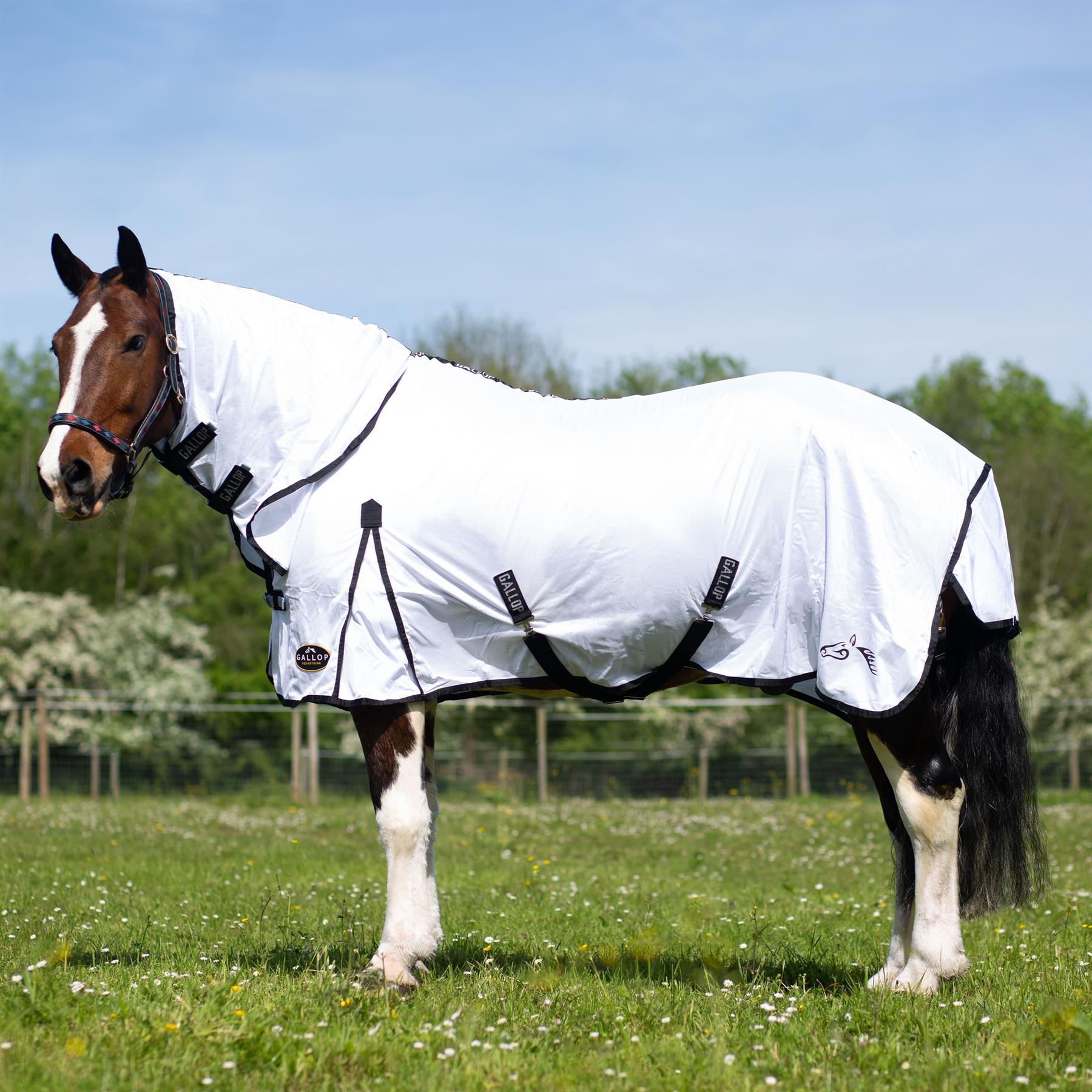
Eliminating stagnant water, where mosquitoes breed and thrive, serves as the first line of defense. Additionally, minimizing horses' exposure during peak mosquito activity times, which is typically from dusk to dawn, can drastically reduce infection chances.
Innovations and Challenges in WNV Vaccine Development
Research continues in developing more effective vaccines for West Nile Virus in horses. While current equine vaccines exist, scientists are striving to enhance their efficacy and longevity. Moreover, there's a budding interest in developing WNV vaccines for humans, although it remains in the experimental stage.
The continuous development and improvement of vaccines are essential given that WNV infection can result in prolonged recovery times and lasting neurological deficits. Upholding robust regional monitoring systems and leveraging insights from the Equine Disease Communication Center will effectively inform and guide vaccination and management efforts.
Looking Forward: Keeping Our Equine Friends Safe
With the recent detection of WNV-positive horses in multiple counties, it becomes evident that vigilance remains crucial in safeguarding equine health. An embrace of comprehensive measures — combining vaccination, habitat management, and ongoing surveillance — serves as the best preventive approach to minimizing illness and fatalities caused by West Nile Virus in horses.
Finally, it is important to remember that while preventative and management strategies demand effort and resources, the protection and health of our equine friends must take precedent. Staying informed, establishing good vaccination practices, and managing mosquito populations will ensure we stay a gallop ahead of the West Nile Virus.
Sources:
- "Outbreak Alerts: August 22, 2025 – West Nile Virus in Utah County, UT", from Northwest Horse Source: [source](https://nwhorsesource.com/outbreak-alerts-august-22-2025-west-nile-virus-in-utah-county-ut/)
- Original article Published on "TheHorse.com" (URL not provided)