Understanding West Nile Virus in Horses: A Growing Concern
West Nile Virus (WNV) is an ever-present threat in the world of equine health. Recently, this concern resurfaced with two cases in Oklahoma, further emphasizing the need for stringent preventive measures. This article delves into the intricacies of WNV in horses, prevention strategies, and why staying informed is crucial.
The Oklahoma Cases: A Closer Look
The recent West Nile Virus cases in Oklahoma involved two horses, each telling a different story about the virus's impact. In Nowata County, a 17-year-old unvaccinated Quarter Horse gelding developed symptoms like muscle fasciculations and pain but recovered with intensive supportive care. However, the story was different for a Quarter Horse filly in Oklahoma County. She suffered severe neurological signs, progressing to recumbency and leading to her euthanasia due to the severity of the disease.
This illustrates the virus's unpredictable nature and the potential severity of symptoms, underpinning the importance of proactive measures.
Understanding West Nile Virus
West Nile Virus primarily uses mosquitoes as its vehicle, spreading to horses and humans after the mosquitoes feed on infected birds. Since its invasion into the United States, over 27,600 horses have been diagnosed with neuro-invasive WNV, and a concerning average fatality rate of 30-40% looms over infected populations.
The clinical signs usually commence with mild symptoms such as depression, anorexia, or a slight fever. However, neurological signs such as muscle twitching, facial paralysis, ataxia, and even full limb paralysis can manifest swiftly and progress severely.
Prevention: The Best Defense
Without a direct antiviral treatment, the defense against WNV is strongly rooted in prevention. Vaccination is acknowledged as the cornerstone of preventive measures. Veterinary experts advocate for annual or biannual vaccinations depending on regional mosquito activity levels. These vaccinations are crucial, as they significantly reduce the chances of severe disease manifestations.
Moreover, adopting mosquito control measures complements the vaccination strategy. This includes eradicating standing water, applying insect repellents, and stabling horses during peak mosquito activity at dawn and dusk.
The Role of Disease Surveillance and Communication
The outbreak in Oklahoma reinforces the necessity for ongoing vigilance. The state’s Department of Agriculture, Food, and Forestry has urged horse owners to vaccinate and employ mosquito control practices. Additionally, industry groups, such as the Equine Disease Communication Center (EDCC), play an indispensable role in disease surveillance and dissemination of accurate, timely information on equine diseases.
The work done by the EDCC and similar organizations ensures that the equine industry remains informed about threats like West Nile Virus, helping stakeholders implement effective response strategies.
A Humorous Reminder
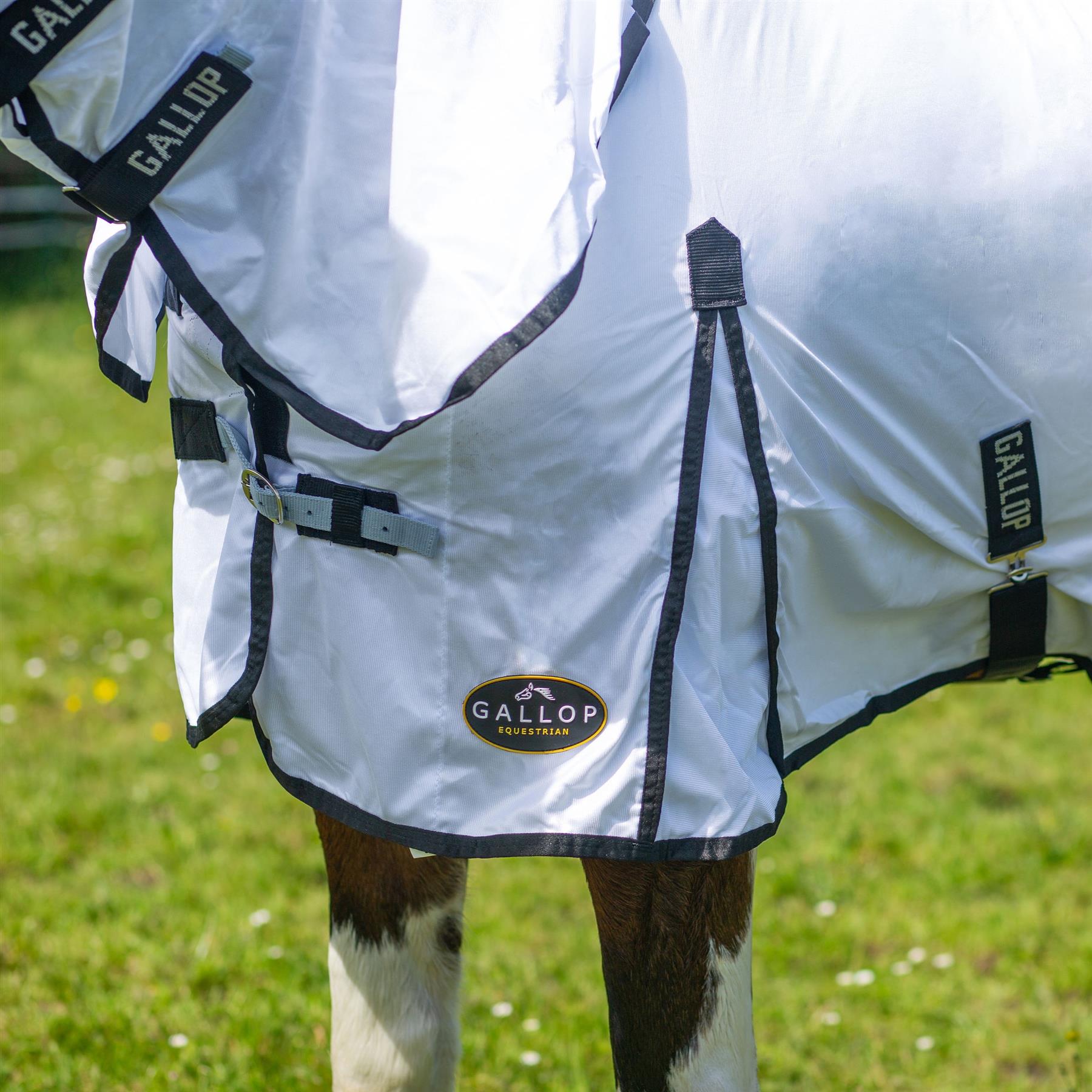
As serious as WNV is, a dash of humor can sometimes serve to highlight a critical point. Picture this: a horse in a full mosquito-proof suit, albeit impractical, this imaginative approach underscores the importance of not letting your hoofed friends become mosquito snack bars. Preventive measures are less amusing, yet vital.
Concluding Thoughts: Staying Ahead of the Mosquitoes
In conclusion, the outbreak of West Nile Virus among Oklahoma’s equine population serves as a stark reminder of the disease's continued threat level. It highlights the need for robust vaccination programs and diligent mosquito control practices. Ensuring horse owners are well-informed and prepared can effectively mitigate WNV's impact.
By maintaining awareness, promoting preventive measures, and leveraging the support of surveillance organizations like the EDCC, we can safeguard our horses from this formidable foe. After all, in the battle against mosquito-borne diseases, vigilance and prevention are the reigning champions.
For more information, the comprehensive updates and insights can be found on TheHorse.com. Stay informed, stay prepared, and most importantly, keep those tails swishing—not swatting.