The Serious Risk of Eastern Equine Encephalitis for Horses
Recently, two horses in Ontario tested positive for Eastern Equine Encephalitis (EEE), a viral disease with a high mortality rate. The outcomes were devastating, as both horses were euthanized following severe symptoms. This unfortunate event highlights the importance of vigilance and preventive measures against this sinister disease, especially in regions prone to mosquito activity.
Understanding the Spread and Transmission of EEE
EEE is primarily transmitted by mosquitoes, with birds acting as natural reservoirs for the virus. Once a mosquito bites an infected bird, it can then transmit the virus to horses and humans, posing a serious risk to their health. While the virus is deadly, the good news is that awareness and strategic control measures can significantly reduce exposure risks.
The Consequences of Under-Vaccination
The two horses, a 14-year-old Belgian mare from Ottawa and a 20-year-old Standardbred gelding from Hamilton, both had inadequate vaccinations. This fact underlines a critical point: current and adequate vaccinations are vital in combating EEE. Vaccination remains the most effective preventive measure, providing horses with reliable protection against this potentially fatal disease.
Importance of Prompt Vaccination
Vaccination acts as a crucial defense mechanism, creating a protective barrier. Especially in regions where mosquito activity is common, horse owners need to ensure their animals maintain up-to-date vaccinations. Doing so not only prevents infection but also supports broader public health initiatives by lowering the number of potential outbreaks.
Strategies for Mosquito Control
Mosquitoes are more than a mere annoyance—they are vectors for deadly diseases such as EEE. Reducing their population is a key step in safeguarding equine health. Key strategies include:
- Eliminate Standing Water: Mosquitoes breed in stagnant water. By removing or treating standing water on properties, the potential mosquito population is reduced.
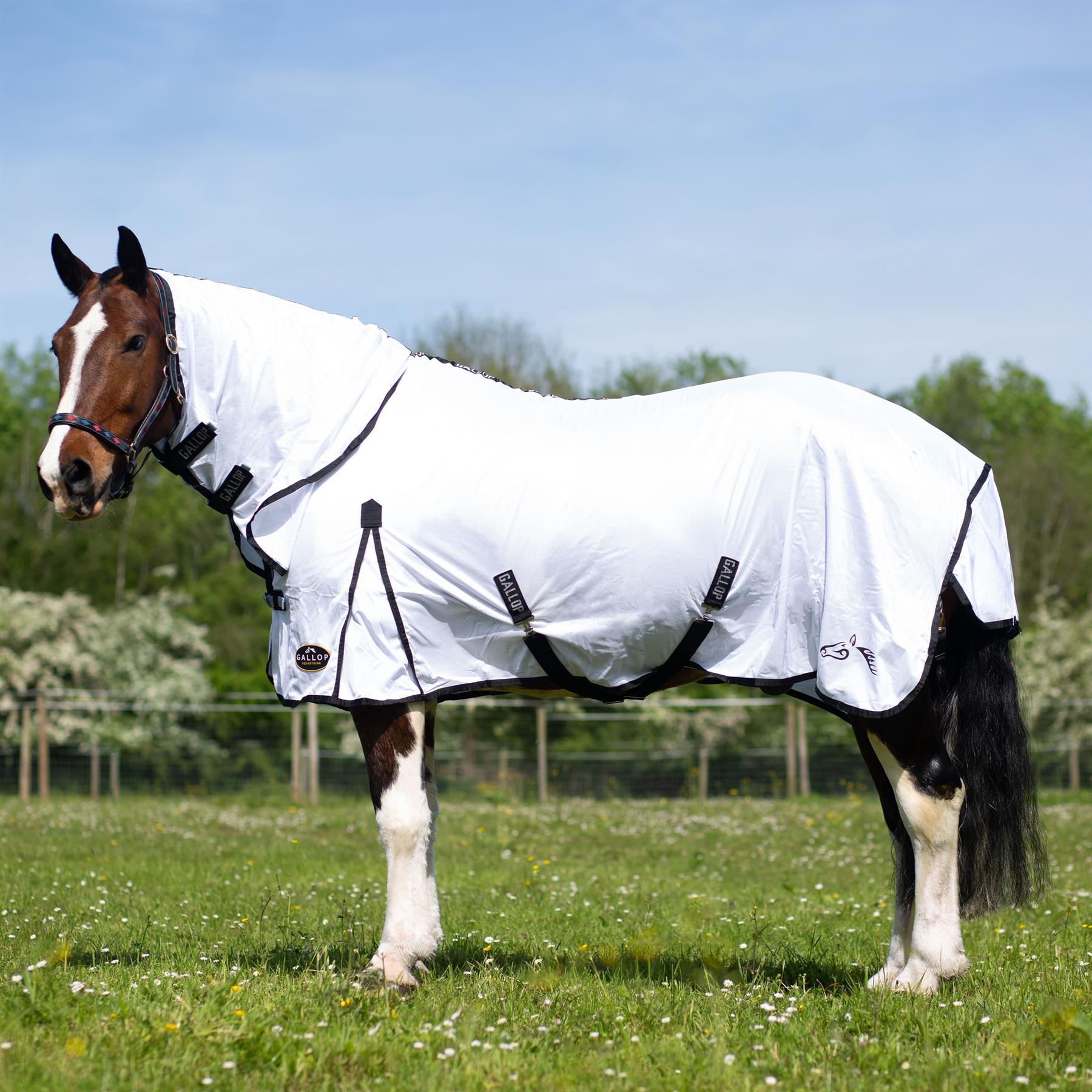
- Use of Insect Repellents: Applying insect repellent around stables and directly on horses can act as a strong deterrent for these pesky critters.
- Biological Control Methods: Introducing natural mosquito predators like certain fish or bats can help manage mosquito numbers without relying on chemical solutions.
These strategies are not just theoretical—experts recommend them strongly due to their effectiveness in creating a safer environment.
The Role of the Equine Disease Communication Center
The Equine Disease Communication Center (EDCC) plays a pivotal role in managing outbreaks through its comprehensive communication network. The EDCC Health Watch program disseminates timely disease alerts to horse owners and veterinarians. This resource provides vital information, helping communities respond swiftly and efficiently to potential health threats.
For example, by utilizing EDCC's alerts, affected regions can quickly implement control measures. This proactive approach helps mitigate further transmission and aids in maintaining equine health across larger territories.
Conclusion: A Call to Action for Horse Owners
For horse owners, the cases in Ontario serve as a stark reminder of the importance of preventive measures. Maintaining up-to-date vaccinations and adopting comprehensive mosquito control strategies should be at the forefront of disease prevention efforts. Not only does this protect individual animals, but it also ensures the broader equine community's resilience against deadly viruses like EEE. Let's keep those tails wagging safely!
For more information on equine diseases and preventive measures, visit the TheHorse.com or the Ontario Animal Health Network.