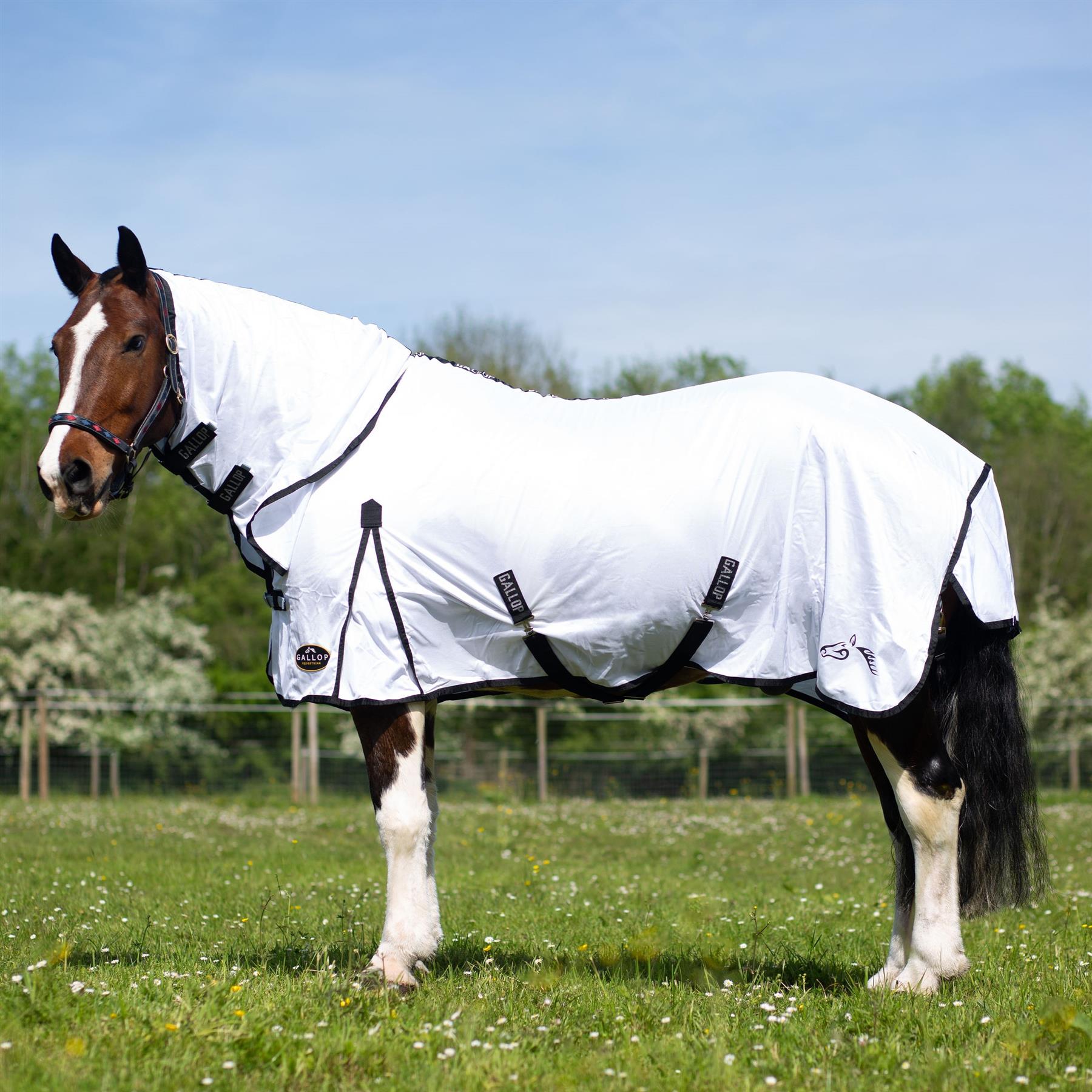
The Rise of Mares in Equestrian Sports
Mares are galloping their way to the forefront of high-level equestrian sports, overturning age-old norms that have seen stallions and geldings dominate the scene. While historically, mares were the rare exception to the rule, recent achievements, such as those by TSF Dalera BB and Jessica Von Bredow-Werndl, signify a notable shift. Their back-to-back gold medals in Olympic dressage at Tokyo and Paris have punctuated a growing trend recognizing mares as formidable competitors.
Historical Context: A Rare Breed
Traditionally, the presence of mares on the podium at Olympic events was scant. A notable exception was Halla, the Standardbred-cross mare, who clinched gold in 1956. Since then, the rarity has given way to a promising era of inclusivity and equality. Innovations in training and equine care are partially responsible, alongside a deeper understanding of genetics that underpin a mare's performance. The Mare Performance Test (MPT), which evaluates mares on rideability, gaits, and jumping ability, provides invaluable insights that are keenly pursued in the equestrian community.
The Role of Genetics and Training Innovations
Genetic insights are among the transformative factors contributing to the success of mares. Programs like the MPT help breeders and trainers understand the inheritability of traits that benefit competitive disciplines. At the same time, continuous improvements in training techniques and equine management have undoubtedly enhanced the performance of these equestrian stars.
Managing a mare’s estrus cycle is crucial considering it can influence performance consistency. Strategic training and care during different phases of their cycle are vital to optimize the competitive capabilities of mares, thus leveling the playing field with their male counterparts.
Changing Cultural and Perceptual Landscapes
Changing perceptions regarding gender roles in equestrian sports have also empowered the rise of mares. Experts highlight the unique temperaments and work ethics inherent in mares, which, when harnessed appropriately, offer a competitive edge. These traits are proving to be assets in disciplines ranging from dressage to eventing.
Balancing Dual Roles: From Performance to Motherhood
Many mares straddle dual roles as both competitors and broodmares. This versatility enriches their value within the sport and demonstrates their unmatched capability and adaptability. Managing their health and training while fulfilling reproductive duties is an art form in itself but well worth the effort for the remarkable results it yields.
Selection processes have grown more meticulous, emphasizing conformation and athletic potential to identify mares best suited for intense competition. These practices promise to sustain the ongoing visibility and success of mares in equestrian sports.
The Journey Ahead: Unleashing the True Potential of Mares
This meteoric rise of mares in top-tier equestrian sports serves as a testament to the complex interplay between genetics, innovative training, management practices, and changing societal attitudes. The story of TSF Dalera BB and Jessica Von Bredow-Werndl not only encapsulates this transformation but celebrates the indomitable spirit of mares whose prowess in the field is finally being recognized and celebrated.
For enthusiasts and professionals alike, further exploration into breeding strategies and management techniques will illuminate the pathways to greater success and parity. As we continue to witness mares breaking barriers and setting new standards, it's clear: you simply can’t keep a good mare down.
For comprehensive insights on managing mares’ unique challenges, exploring hereditary performance characteristics, and understanding the balancing act between competition and breeding, one might delve into additional resources available on managing the nuanced journey of mares in modern equestrian sports.
Sources: The Hanoverian Association