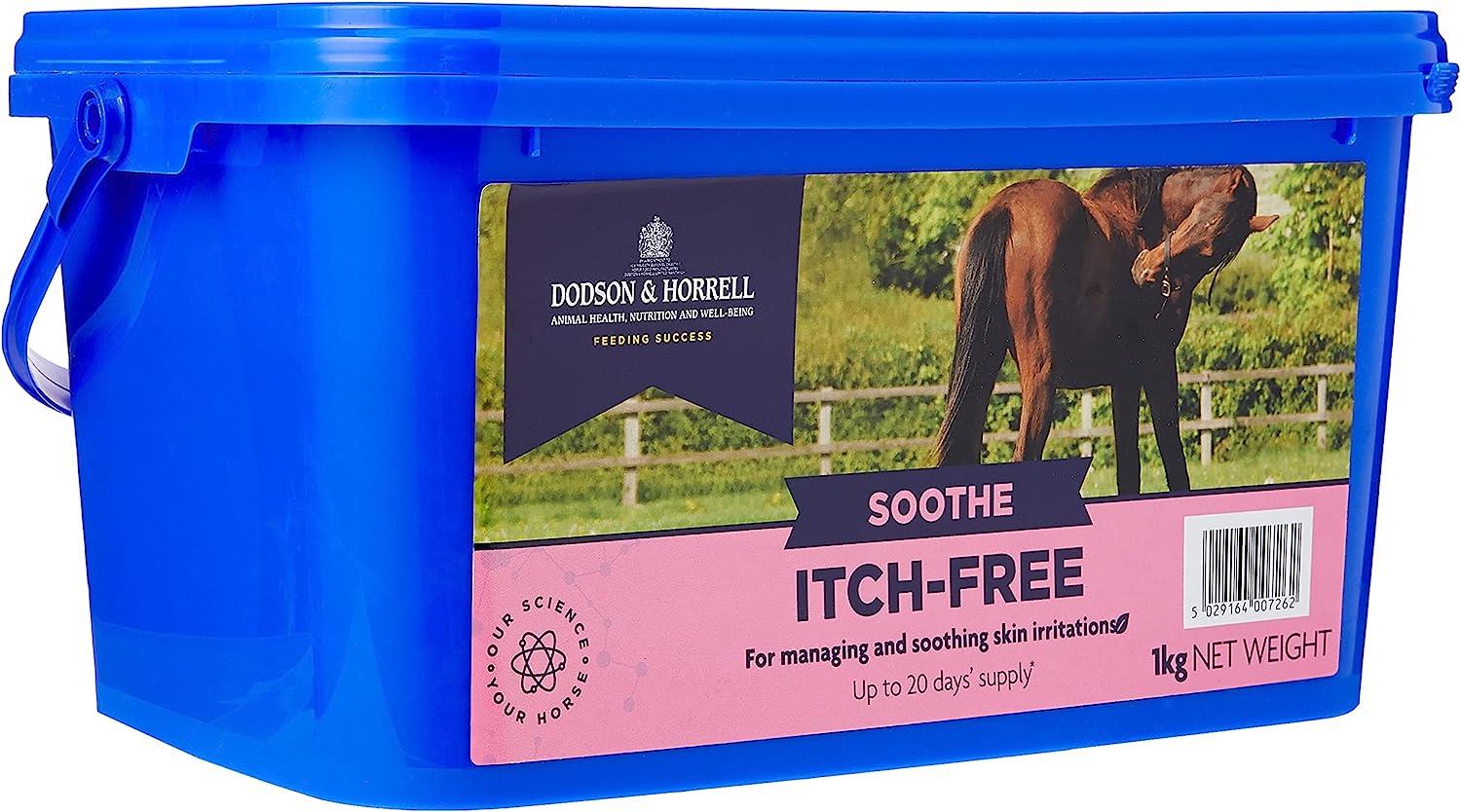
The Importance of Gastric Health in Horses
Gastric health plays a pivotal role in the overall well-being of horses, impacting their performance, behavior, and general health. In particular, gastric ulcers are a common ailment in the equine world, affecting up to 60% of performance horses and 90% of racehorses. Known as Equine Gastric Ulcer Syndrome (EGUS), these ulcers can significantly hinder a horse's life if left unmanaged. Our exploration today focuses on understanding the causes, effects, and modern solutions for maintaining healthy equine stomachs.
Uncovering the Causes of Gastric Ulcers
There are several factors contributing to the prevalence of gastric ulcers in horses. The mismatch between nature and modern horse care is a prime suspect, especially since horses innately have a digestive system designed for constant grazing. The abrupt shift to large, infrequent grain meals for convenience conflicts with this, leading to increased stomach acid production without the buffering effect of forage and saliva.
Dietary Practices
Diet plays a crucial role in the development of ulcers. High-grain, infrequent meals lack the natural buffering effect necessary to protect the stomach lining. Moreover, the modern diet often diverges from continuous grazing, confusing and straining the horse's digestive system.
Stress Inducers
Factors like stall confinement, rigorous training, competition, and travel can intensify stress levels, which in turn affects gastric health. Imagine being asked to perform at top levels while knowingly living with painful ulcers. It’s quite the unhappy horsey predicament.
Lack of Continuous Grazing
Horses are natural grazers, meant to feed for about 17 hours a day. Limiting their grazing opportunities deprives their stomachs of needed buffer time, increasing the vulnerability to ulcers.
Strategies for Equine Gastric Health Management
Dietary Adjustments
To combat these issues, numerous management strategies are put into practice. Chiefly, reinstating continuous grazing or using slow feeding tools like hay bags can simulate natural feeding conditions, thus minimizing stomach acidity. Ensuring a balanced diet full of proper forage while avoiding abrupt dietary changes is beneficial.
Gastric Health Supplements
Supplements complement dietary adjustments, proving their worth as well. They primarily aim to support the intricate structure and function of the horse’s stomach. Containing elements like aloe vera and marshmallow root extract, supplements help buffer acid and soothe irritated stomachs.
Spotlight on Specific Supplements
SmartGut Ultra
SmartGut Ultra is spearheading this movement with its unique blend of natural ingredients like sea buckthorn and specific amino acids. Importantly, it has been clinically studied, highlighting its ability to maintain gastric health under stressful situations without negatively affecting stomach pH levels.
U-7 Gastric Aid
U-7 Gastric Aid takes a slightly different approach, focusing on a blend of vitamins and herbs like licorice and slippery elm to support general gastric health, especially for horses struggling with appetite or attitude problems.
Monitoring and Expectations
When introducing new supplements into a horse’s regimen, patience becomes a virtue. It typically takes 6 to 8 weeks to see tangible results. Monitoring involves keeping an eye out for improved appetite, demeanor, and general comfort, mostly observed through reduced irritability during grooming or training.
Choosing the Right Supplement
Choosing the right supplement involves digging into peer-reviewed research to ensure efficacy and safety. Consider ingredient transparency, the scientific backing of formulations, and the reputation of the manufacturer. Make sure the supplement includes ingredients proven to support gastric health, such as L-glutamine and prebiotics.
Conclusion
Maintaining consistent gastric health in horses is no overnight task, yet it is essential. Carefully balancing management changes with dietary adjustments and these effective supplements can curtail the development and impact of stomach issues. Always seek veterinary advice to tailor the best care plan specific to your horse’s needs and consider leaning into clinically-backed supplements for a comprehensive approach to equine gastric health.
References: TheHorse.com, SmartPakEquine