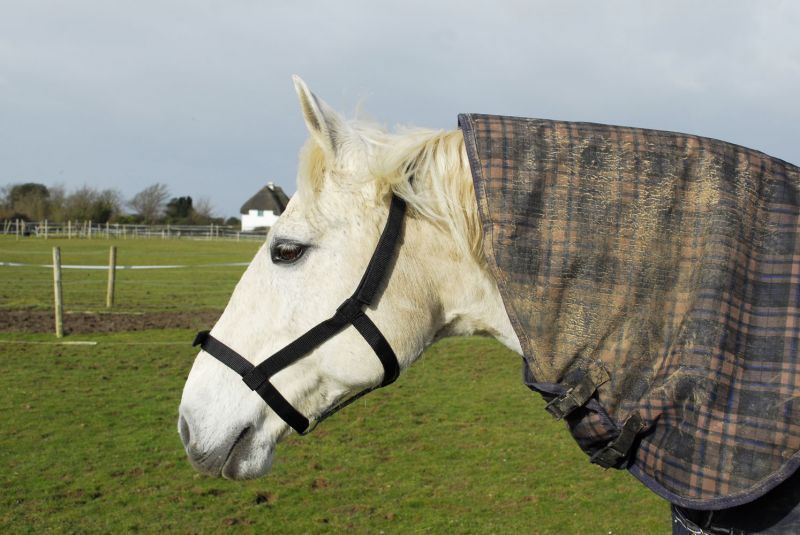
The Unmatched Legacy of the London International Horse Show
The London International Horse Show has firmly established itself as a keystone event in the equestrian world. Over a hundred years of history have culminated in this prestigious competition, drawing top talent and spectators alike. It is not just a sporting event; it is a veritable celebration of equestrian excellence. Let's dive into the roots and evolution of this iconic event, highlighting recent landmarks and its undeniable impact on the equestrian community.
Back in Time: The Historical Roots
Tracing back to 1907, the London International Horse Show as we know it began at the renowned Olympia venue. Originally inspired by agricultural showcases, the "first great horse show" was organized following an idea from Reginald Gardiner Heaton. He was captivated by similar events in Paris, New York, and Brussels, so much so that he envisioned a British counterpart. The inaugural event drew an impressive audience, including European aristocracy and royalty, testament to its immediate prestige.
Navigating Through Challenges
The past century has not been without its difficulties. World War I put a temporary pause on the show, and economic struggles during the inter-war period further complicated matters. Nonetheless, the resilience of the event's organizers saw its revival in 1947 at White City, London. The triumphant return to the Olympia venue in 1972 by Heaton and Raymond Brooks-Ward marked a resurgence for the show, and it quickly became a cherished part of the Christmas tradition for equestrian fans.
Modern-Day Milestones
More recently, the show has transitioned to the London ExCeL venue, a move that stirred nostalgia but was welcomed for its modern amenities. This shift signals not just continuity but a promise for the innovation of this beloved event. It remains a key staple of the global equestrian calendar, continually setting the stage for significant competitive achievements.
Recent Achievements in the Arena
A historical highlight was reached when Mariano Martinez Bastida became the first Spanish rider to clinch a victory at the grand prix, racing against champions like Martin Fuchs and the reigning world champion Henrik von Eckermann. The challenging course saw only six clear rounds among 35 participants, yet Mariano's strategic riding on Jup proved victorious. His tactical mastery and trust in Jup’s stride underscored the essence of rider strategy and horse potential.
Impact Beyond the Competition
The London International Horse Show serves as more than a competition—it is a pillar of equestrian camaraderie. A place where top riders converge, showcasing their skills while fostering a sense of global community. It influences trends in training, driving progress in both rider techniques and equestrian equipment development.
Potential Topics for Further Exploration
- History and Influence: Deep dive into the show's evolution and its influence on worldwide equestrian practices.
- Rider Spotlights: Profiles on Mariano Martinez Bastida, Martin Fuchs, and Henrik von Eckermann delving into their inspirational journeys.
- Training Regimens for Champions: An analysis of the training approaches for celebrated horses like Jup and Iliana.
- International Show Jumping Dynamics: The global importance of these competitions and their role in promoting the sport.
- Innovations in Equestrian Equipment: Technological advances shaping the future of the sport.
Indeed, the London International Horse Show is more than just an event—it's an ongoing saga of tradition, strategy, and modern innovation. It continues to inspire both participants and spectators, knitting together a rich tapestry of history and modern excellence in equestrian sports.
Sources: Horse & Hound, Wikipedia