Understanding Arthritis in Horses: Signs, Diagnosis, and Care
Arthritis is a prevalent issue in aging horses, leading to discomfort and reduced mobility. Like humans, horses with arthritis suffer from degenerative joint disease, affecting their overall quality of life. Therefore, recognizing the signs early is essential for effective management. Horse owners have a pivotal role in identifying these signs, where veterinarians guide medical intervention.
Recognizing Signs of Arthritic Pain
The signs of arthritis in horses may not always be glaringly obvious. Often, these signs manifest subtly:
- Reluctance to move: A horse that hesitates to walk, especially in colder weather, might be experiencing discomfort.
- Stiffness: Difficulty in stretching or coming out of a resting position can signal joint pain.
- Lagging behind the herd: When a normally sociable horse starts to fall behind during trots, it's time to take a closer look.
These characteristics might overlap with other ailments, but a pattern over time typically indicates joint issues.
Diagnosing Arthritis: The Role of Veterinarians
Diagnosing arthritis in horses involves more than just observation. With the help of several assessment tools like the Visual Analog Scale (VAS) and Numeric Rating Scale (NRS), veterinarians can evaluate the pain's intensity. However, these methods have limitations such as observer variability.
Thanks to advances in veterinary medicine, tools like the Horse Grimace Scale (HGS) and Equine Utrecht University Scale of Facial Assessment of Pain (EQUUS-FAP) offer insights into a horse's well-being. These tools measure both behavioral and facial expressions, allowing detection of arthritis-related pain even before visible lameness sets in.
Equipping Horse Owners with Pain Evaluation Tools
Owners can be empowered to monitor arthritis with tools like the Equine Brief Pain Inventory (EBPI). This validated tool assesses changes in posture, facial expression, movement, and behavior. It enables owners to identify early symptoms and effectively track treatment efficacy. The EBPI is practical, taking only a few minutes to complete without requiring extensive veterinary knowledge. These tools enhance proactive care in monitoring equine health.
Comprehensive Pain Management Techniques
Pain management for arthritic horses often involves a multidimensional approach:
- Medication: Nonsteroidal anti-inflammatory drugs (NSAIDs) and corticosteroids are commonly prescribed. In some cases, regenerative medicine techniques may be applied based on the horse's unique conditions.
- Complementary therapies: Acupuncture, chiropractic care, and shockwave therapies can contribute to pain reduction.
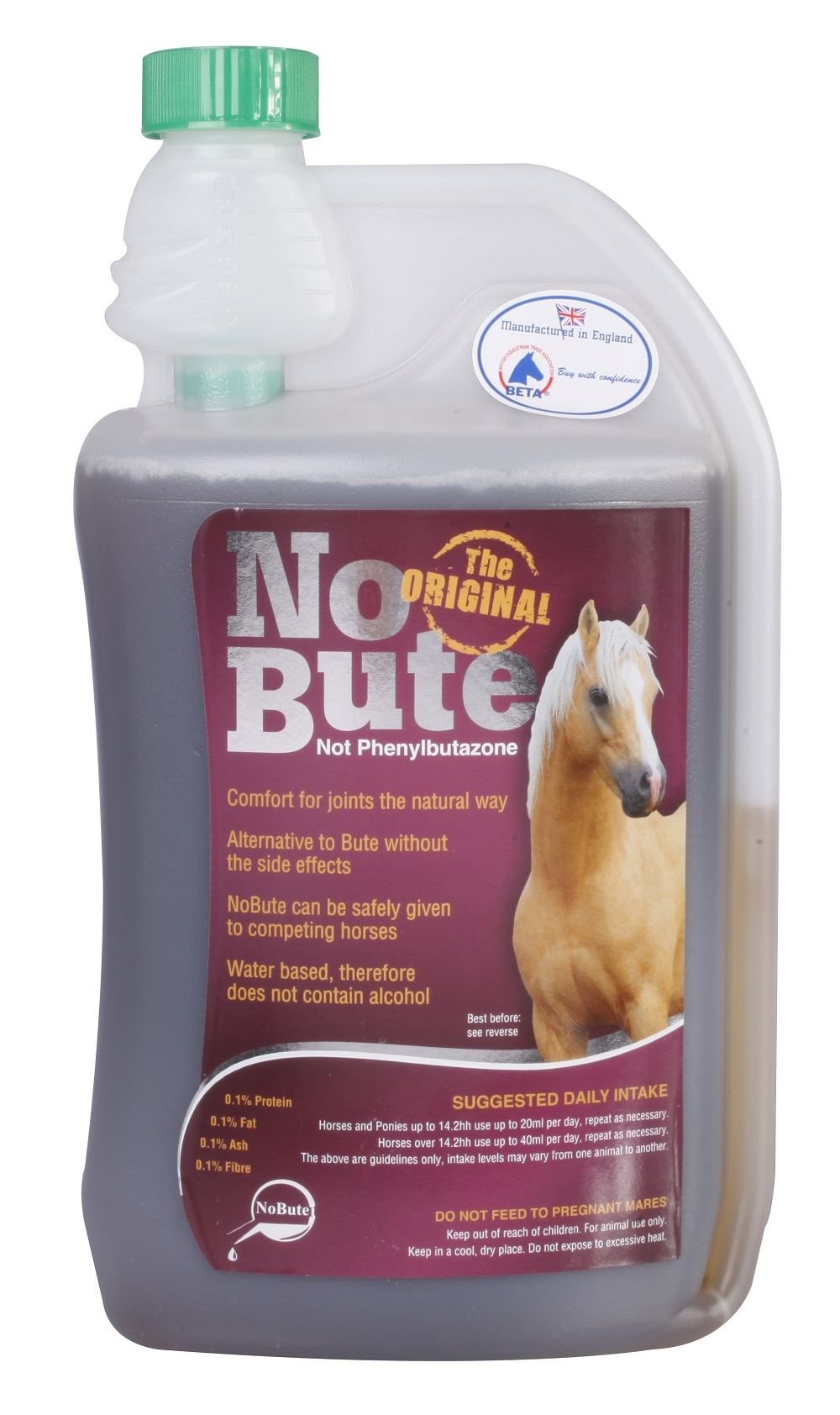
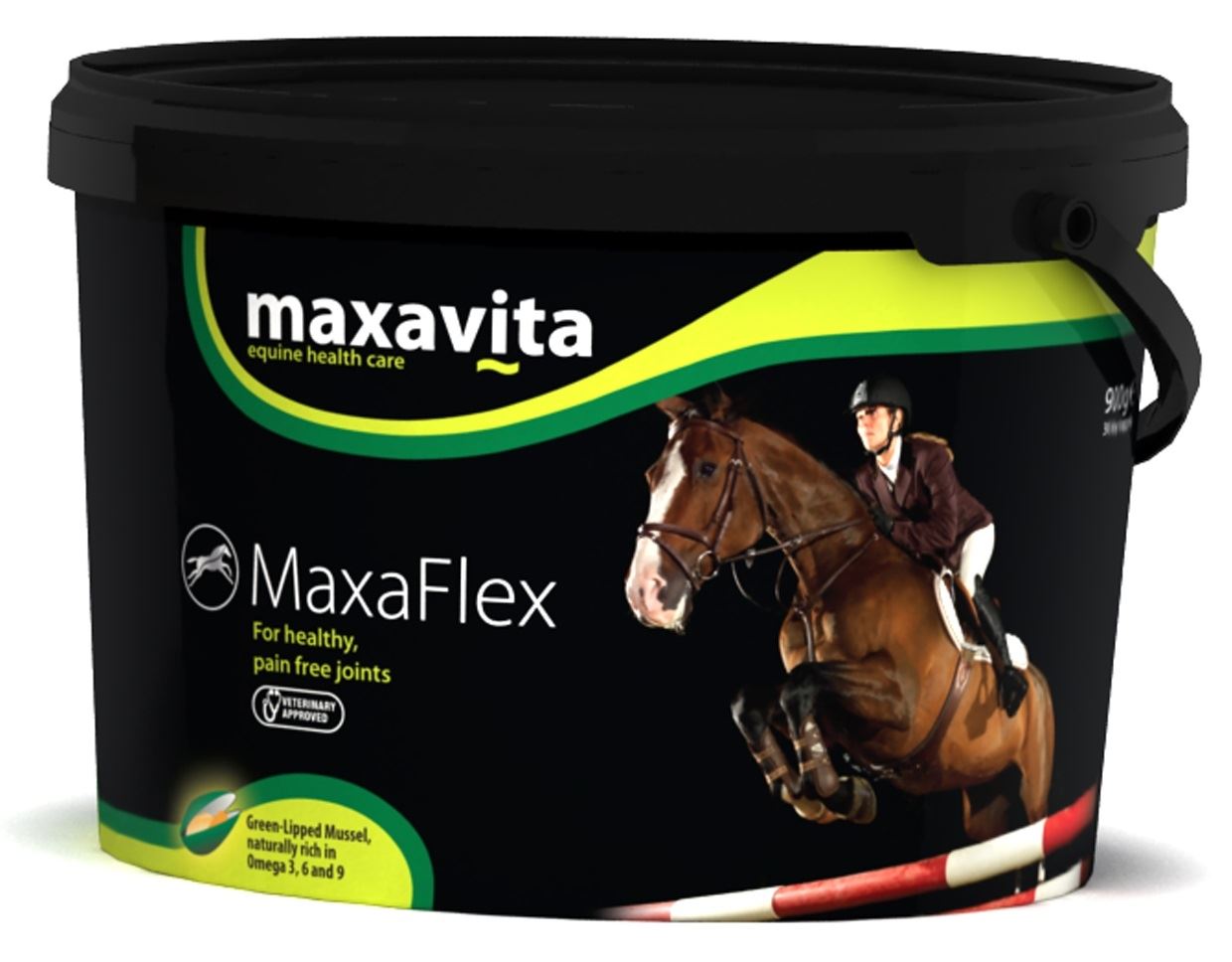
- Nutritional support: Glucosamine and omega-3 supplements support joint health as part of a holistic care plan supervised by a veterinarian.
The Outcome: Keeping Horses “Serviceably Sound”
Ensuring that horses remain "serviceably sound" means maintaining their functionality despite the progressive nature of arthritis. This involves recognizing signs early, leveraging diagnostic tools, and employing a collaborative approach with veterinary professionals. By doing so, we can maintain and even enhance the well-being of aging equine companions despite their degenerative challenges.
For a deeper understanding of equine pain assessment techniques, visit EquiManagement.