Understanding Eastern Equine Encephalitis: A Serious Threat to Equine Health
Eastern Equine Encephalitis (EEE) is a severe and often fatal mosquito-borne disease affecting horses and humans alike. This article takes a closer look at EEE, highlighting the tragic instance of a yearling filly in Florida who recently succumbed to the virus. While the situation is grave, understanding the disease's mechanisms and prevention strategies can mitigate risks and save lives.The Recent Case in Florida
In September 2025, a yearling Thoroughbred filly in Walton County, Florida, was euthanized after exhibiting neurological symptoms indicative of EEE. This tragic case marked the ninth confirmed EEE incident in Florida that year. Unfortunately, the filly was unvaccinated, underscoring the critical role vaccines play in safeguarding equine health. The ongoing threat of EEE illustrates the need for proactive measures to protect horses from this life-threatening disease.What is Eastern Equine Encephalitis?
Eastern Equine Encephalitis is a viral infection transmitted mainly by mosquitoes. The virus is part of a cycle between mosquitoes, essentially *Culiseta melanura*, and wild birds, which act as natural reservoirs. Horses, known as "dead-end" hosts, are affected when bitten by an infected mosquito but do not further spread the virus. Despite affecting relatively few cases annually, EEE is highly fatal, with mortality rates in horses reaching up to 90%. Symptoms include ataxia, paralysis, head pressing, and depression, typically leading to death within days of onset.Malady Patterns and Current Prevalence
Florida has been particularly hit hard by EEE outbreaks, seeing multiple equine fatalities in 2025. The virus isn't limited to horses, as evidenced by detections in other species, such as emus and sentinel chickens. This highlights the broader environmental circulation of EEE in affected areas. However, no human cases have been reported in Florida during the same period, emphasizing the need for public awareness and vigilant disease management practices.Prevention: The Best Defense
When it comes to EEE, prevention is the most effective strategy. One of the cornerstone measures is the annual vaccination of horses, advised by veterinarians to time with local risk levels and mosquito activities. Other essential control efforts include:- Eliminating sources of standing water to reduce mosquito breeding sites.
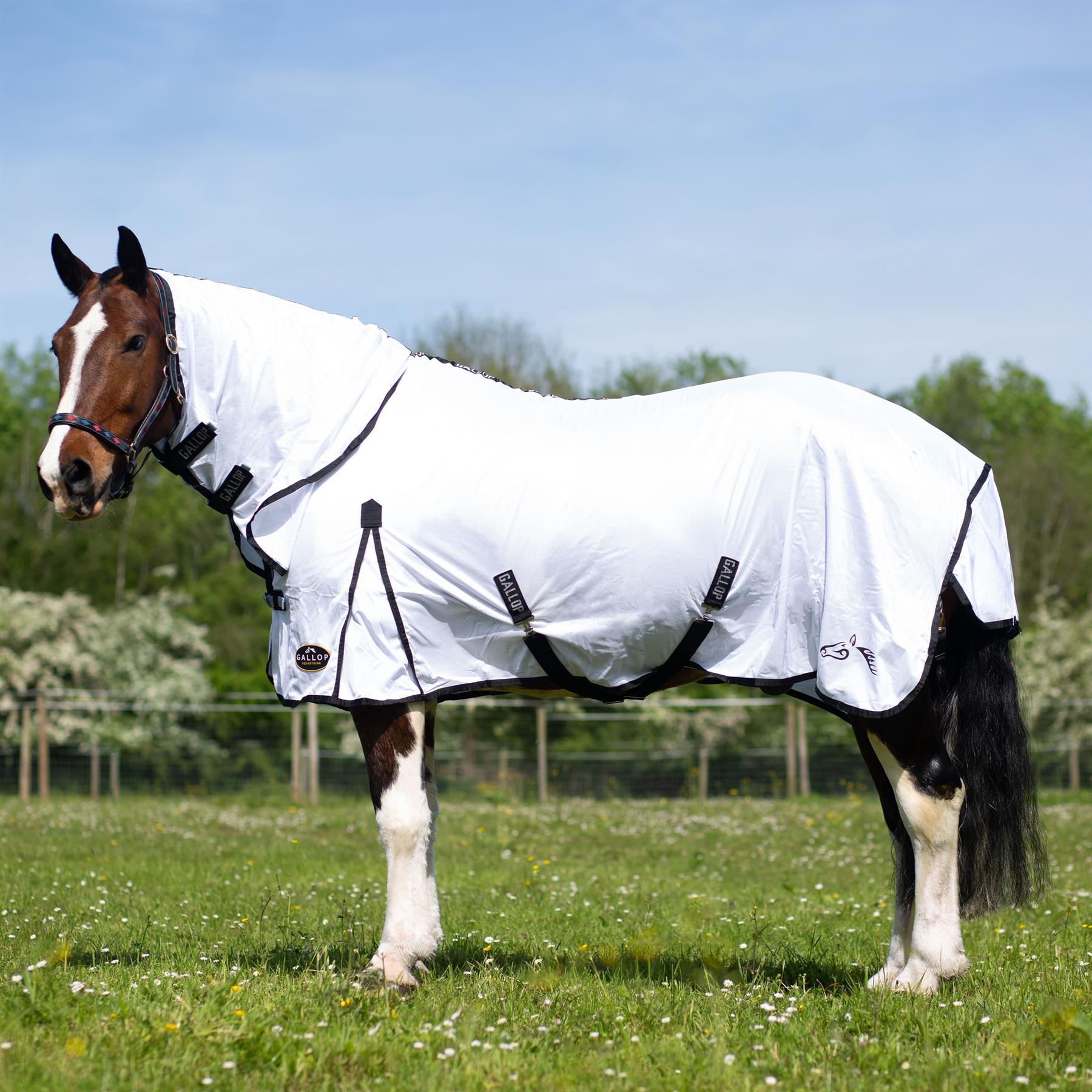
- Using insect repellents on horses and ensuring mosquito-proofing in barns and stables.
- Continuous surveillance, such as employing sentinel chickens to monitor the environment for EEE activity.