Understanding Free Fecal Water Syndrome in Horses
Horses, much like humans, can experience their fair share of digestive issues. One such quirky yet common condition is Free Fecal Water Syndrome (FFWS). While it sounds like the title of a quirky indie film, it's a real affliction that sees horses passing solid manure alongside free liquid, which can create a mess that nobody signed up for.
Free Fecal Water Syndrome: A Digestive Dilemma
FFWS is quite the conundrum. It's not to be confused with diarrhea, as the latter involves loose, watery manure, whereas FFWS horses decorate their stall with both robust feces and a mysterious liquid. This condition, while not life-threatening, can be an unsightly management issue for horse owners, especially as horses cozy up indoors during the winter months due to limited turnout.
Deciphering the Causes
The exact cause of FFWS remains as elusive as a good Wi-Fi signal in a remote barn. However, some key potential triggers have been identified:
- Dietary factors: Changes in forage type or digestive dynamics could spell trouble.
- Stress and social dynamics: Think of it as equine social anxiety; herd changes or routine disruptions might exacerbate symptoms.
- Gastrointestinal inflammation: Issues such as low-grade inflammation or sand accumulation might be the culprits.
- Microbial imbalance: This disruption could make probiotics and gut-supporting supplements valuable allies.
Strategies for Managing FFWS
Tackling FFWS is much like solving a puzzle without a reference picture. There's no one-size-fits-all solution, but certain strategies provide hope for horsing around without the mess:
- Dietary adjustments: Gradually altering the diet, experimenting with different forage types, or incorporating psyllium husk can aid digestion.
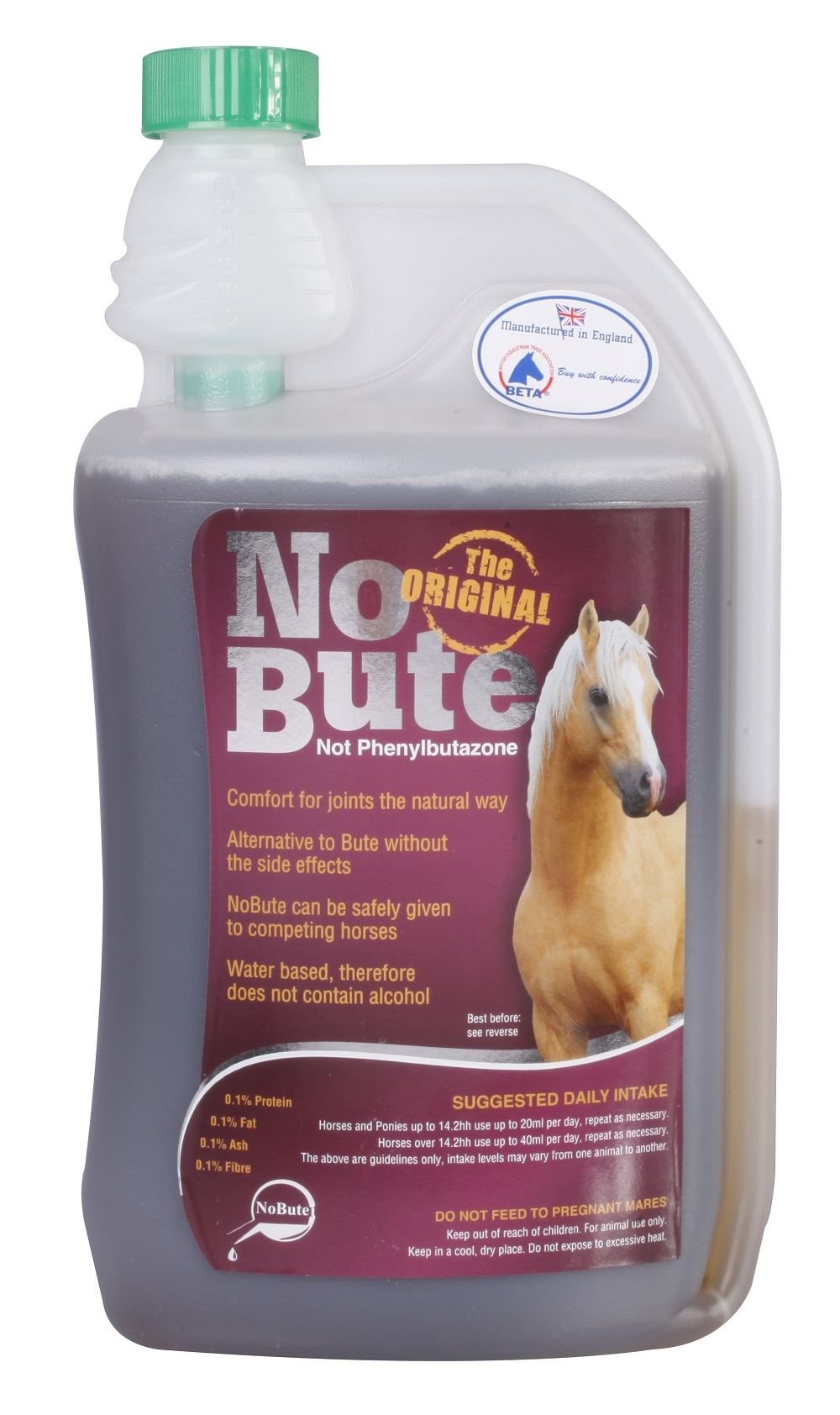
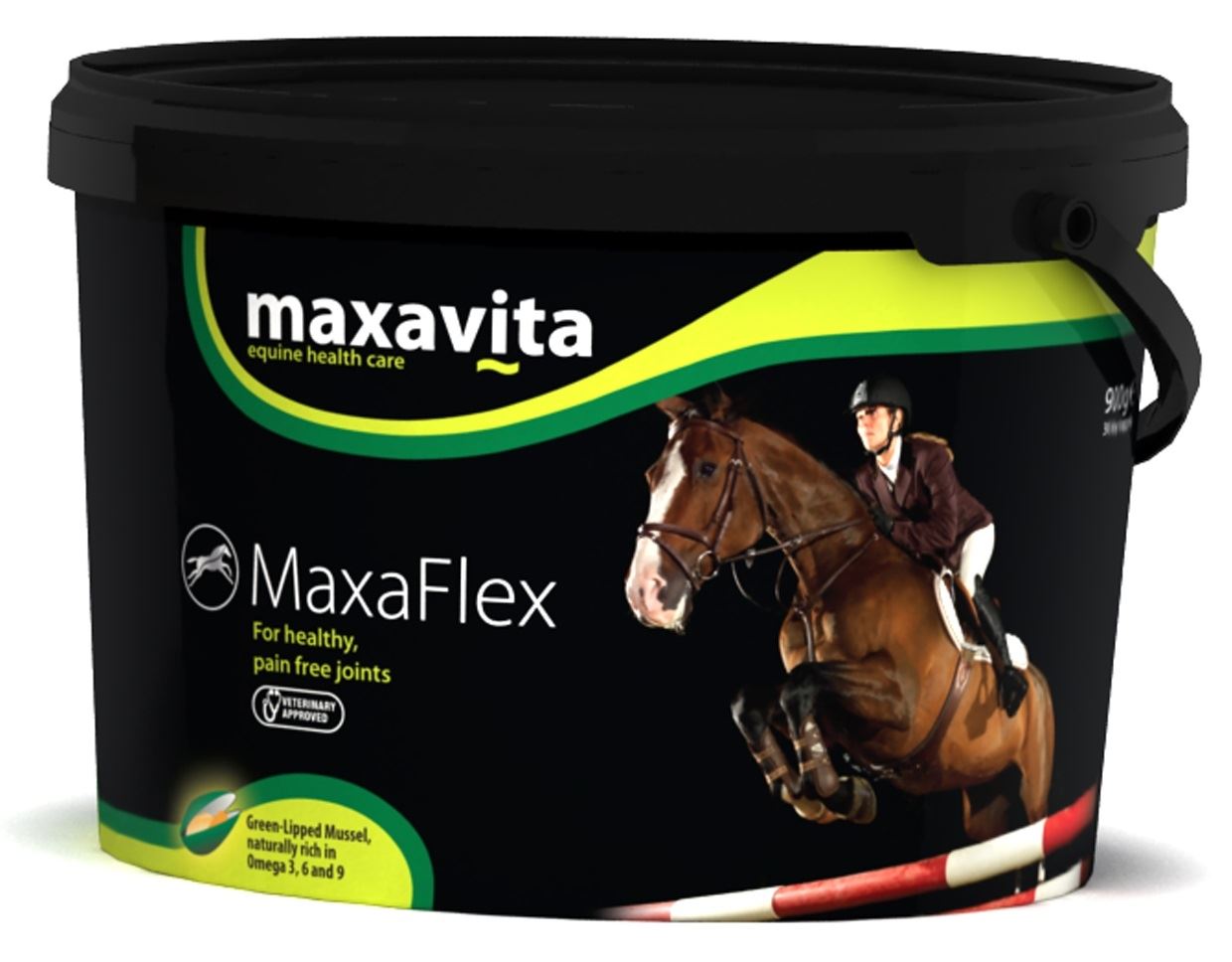
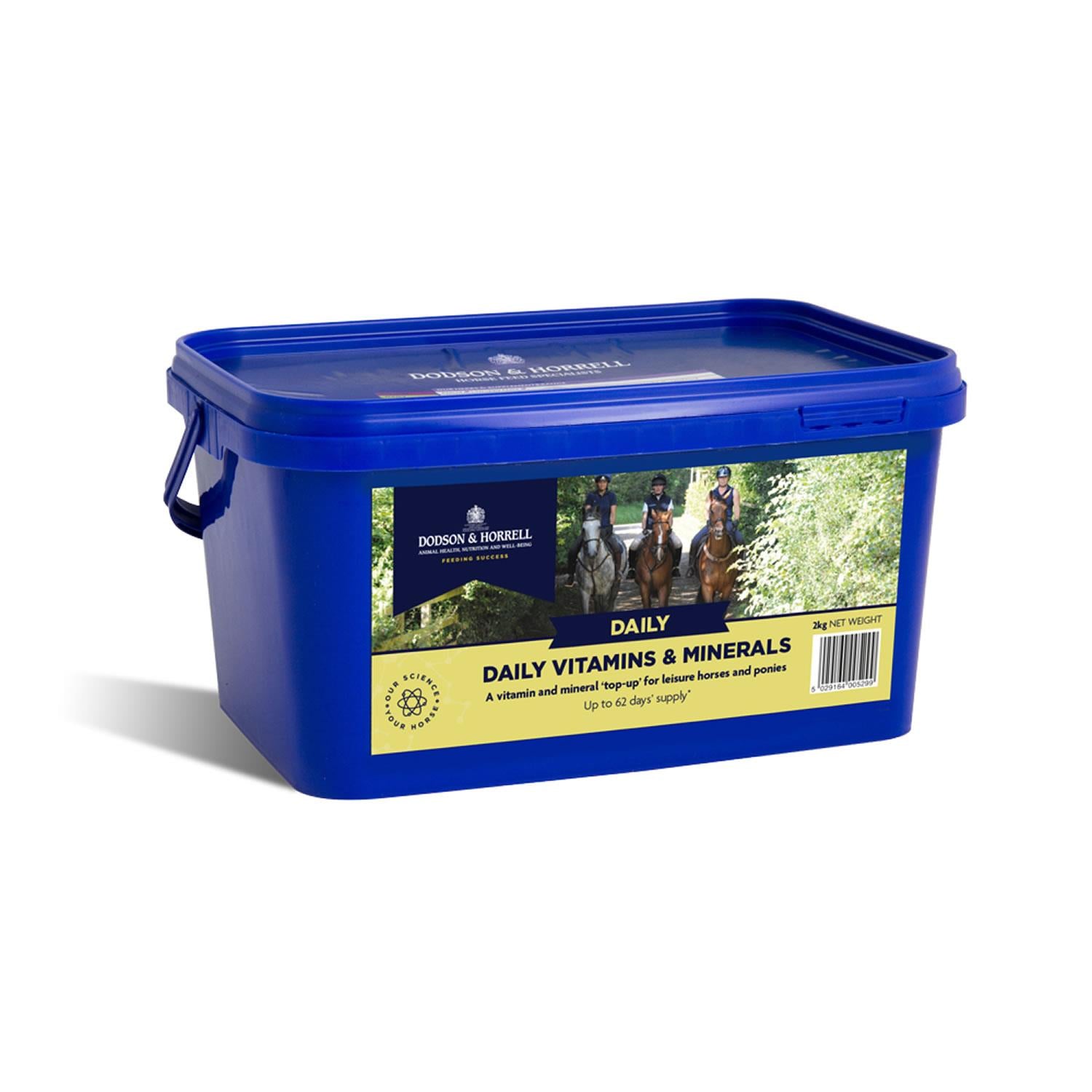
- Supplements: Omega-3 fatty acids, probiotics, and butyric acid are some supplements that have won over equine digestive tracts.
- Stress reduction: Consistency in routine and a calm environment can work wonders to ease symptoms.
- Skin care: Don't forget the TLC for their hindquarters; use petroleum jelly or zinc oxide creams to keep skin irritation at bay.
Winter Woes and Vigilant Monitoring
Winter can magnify the challenges of FFWS due to less turnout time and forage change-ups. It's crucial to monitor your horse's manure and overall health closely. Regular vet check-ups and consultations with a nutritionist will go a long way in crafting a personalized management game plan.
The Road Ahead
The journey into the unknown of FFWS continues with ongoing research. Delving deeper into equine digestive health and how diet, stress, and microbiomes interplay is vital for groundbreaking treatments and preventive measures.
For horse owners, the advice is simple: collaborate closely with veterinarians and nutritionists to craft a tailored management strategy. Understanding your horse's unique needs and staying informed on the latest equine digestive health discoveries can make a world of difference. After all, providing a happy and healthy life is every horse owner's mane goal!
For more detailed insights into Free Fecal Water Syndrome, you can reference materials from reliable sources like TheHorse.com and Merck Vet Manual.