Understanding EEE and WNV in Equines: The Case of the Florida Colt
In a recent health update, a young Hanoverian colt in Seminole County, Florida, tested positive for two potent mosquito-borne diseases: Eastern equine encephalitis (EEE) and West Nile virus (WNV). This occurrence highlights the severe risks posed by these diseases to the equine community, especially in regions prone to mosquito activity.
The Symptoms of EEE and WNV
Having an unvaccinated status, the colt began displaying symptoms such as elevated temperature and muscle twitching on January 5, 2025. Despite these worrying signs, the colt has maintained resilience. Understanding these symptoms is crucial for horse owners, as both EEE and WNV can rapidly lead to severe health outcomes.
Signs of EEE
Eastern equine encephalitis is infamous for its high mortality rate. Horses may exhibit weakness, lack of coordination, convulsions, and even an inability to swallow. Muscle twitching and a paddling motion when lying down are also common. Prevention is key, as EEE spreads from birds via mosquitoes and primarily targets the nervous system.
Manifestations of WNV
West Nile virus results in a spectrum of symptoms, from mild fever and muscle twitching to severe neurological issues like ataxia and changes in mental activity. There is no cure for WNV; however, supportive care can aid recovery in some cases, highlighting the importance of early intervention.
Effective Prevention Strategies
Preventing EEE and WNV involves a multi-faceted approach. Vaccinations remain the cornerstone of protection, with annual booster shots recommended by veterinarians. Some regions with lengthy mosquito seasons may even advise two boosters annually.
- Remove stagnant water sources: This limits mosquito breeding and should be a continual effort.
- Stable horses during peak mosquito times: Early morning and late evening are prime times for mosquitoes, so keeping horses indoors during these times can help.
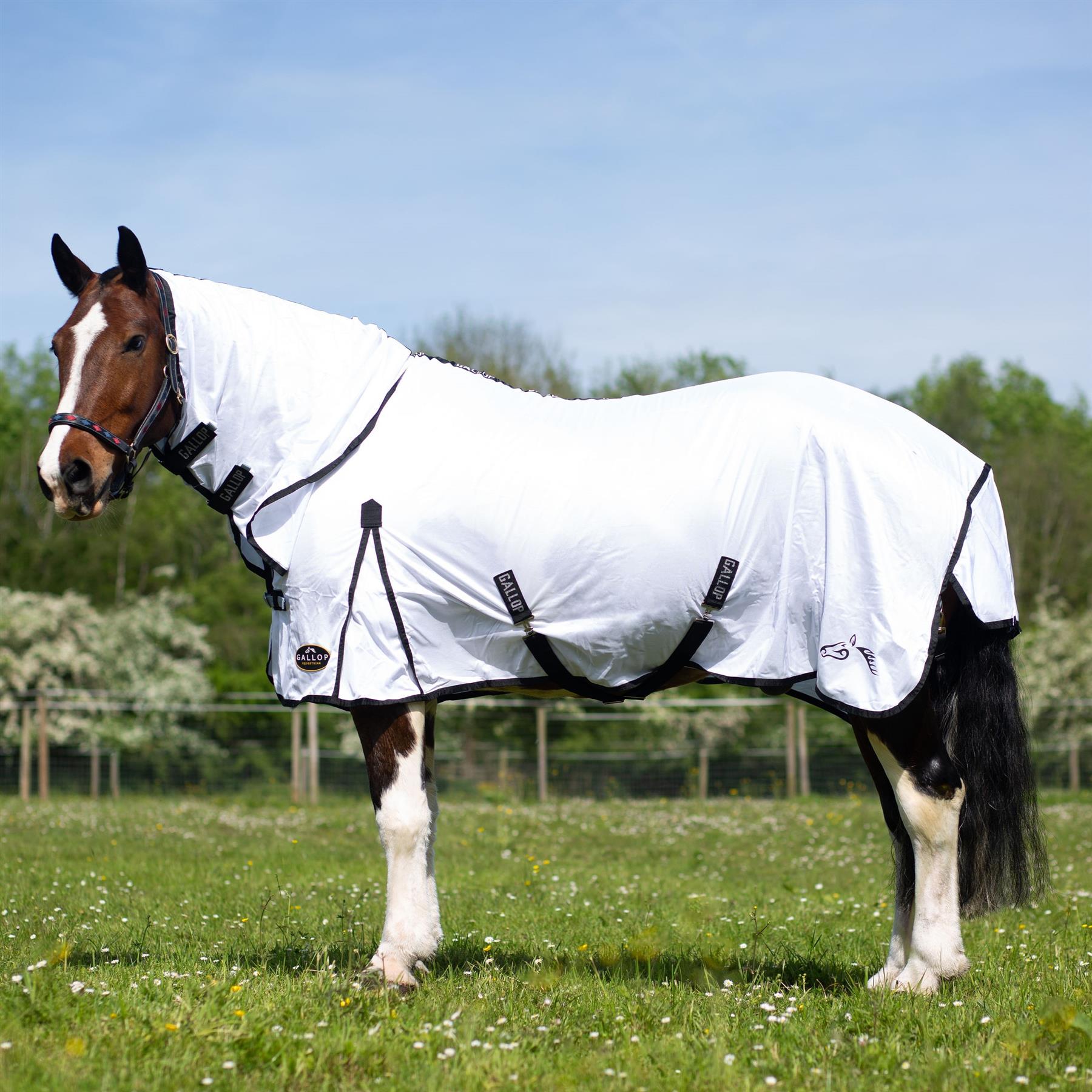
- Apply approved mosquito repellents: Products specifically designed for equines can provide an additional layer of protection.
The Role of the Equine Disease Communication Center (EDCC)
The EDCC is instrumental in keeping the equine community informed, acting as a vigilant watchtower against infectious diseases like EEE and WNV. By disseminating reports obtained through rigorous research and monitoring, the EDCC facilitates better preparedness among horse owners and veterinary professionals.
Exploring Further Research Avenues
Recognizing the ongoing threat of mosquito-borne diseases, several topics demand further exploration:
- The efficacy of current vaccines for both EEE and WNV should be periodically assessed to ensure optimum protection.
- Understanding the impact of climate change on mosquito population dynamics could help forecast disease outbreaks.
- Comparative studies on health outcomes of vaccinated versus unvaccinated equines can illustrate the importance of vaccinations.
- Assessment of mosquito control advancements might unlock new methods to curtail disease spread.
Conclusion: A Call to Action
The emergence of EEE and WNV in Florida serves as a potent reminder of these diseases' enduring threats. Through vigilant vaccination, strategic mosquito control, and relying on resources like the EDCC, the equine community can better safeguard their horses' health. Let's work together to ensure that such diseases become less of a threat, preserving the health and vitality of our equine companions.
Sources: The Horse, Florida Health