A Deep Dive into Pigeon Fever in Equines: What You Need to Know
The recent confirmation of pigeon fever in a Quarter Horse in Ada County, Idaho, has stirred the local equine community. For horse owners and enthusiasts, understanding this condition and how to manage it is of paramount importance. This article will shed light on pigeon fever, addressing its causes, symptoms, treatment, and preventive measures, with occasional quips to lighten the mood.
What Exactly is Pigeon Fever?
Pigeon fever, humorously nicknamed "dryland distemper," is a bacterial infection caused by Corynebacterium pseudotuberculosis. Unsurprisingly, this infection doesn't transform your horse into a pigeon—but merely causes noticeable swelling in the chest area, resembling a pigeon’s breast. Primarily affecting horses, it is prevalent in the southwestern United States but has been trending northward to areas like Idaho, especially during late summer and fall.
There are three notable forms of pigeon fever:
- External abscesses: The most prevalent, these abscesses form on the chest, belly, or limbs.
- Internal abscesses: Less common but more severe, affecting vital organs including the liver and lungs.
- Ulcerative lymphangitis: This limb infection can result in pronounced swelling and lameness.
Identifying Symptoms and Ensuring Accurate Diagnosis
Spotting symptoms early on is crucial. Horses with external abscesses might exhibit local swelling and pain, along with draining pus. Internal infections bring about more intense signs like weight loss and colic. An accurate diagnosis often hinges on bacterial culture analysis from abscess pus. If you're harboring suspicions of an internal infection, rushing to the vet is a no-brainer.
Remedies and Prognosis
Treatment strategies vary with symptom severity:
- External abscesses: Concerned horse owners often opt for lancing, draining, and flushing procedures. In uncomplicated scenarios, antibiotics are typically on standby unless systemic illness indicators pop up.
- Internal abscesses and ulcerative lymphangitis: Involve intensive and lengthy antibiotic therapies, possibly stretching over months. Supportive care, with anti-inflammatories and pain management, is the cherry on top.
While the outlook for horses with external abscesses is bright and sunny, internal infections are trickier, with a case fatality rate of 30–40%—which is no laughing matter!
Prevention: The Best Medicine
Minimal exposure means fewer worries. Here's a rundown on preventive measures horse owners can adopt:
- Stand-alone quarters: Keep infected horses separate to curb environmental contamination.
- Keep it clean: A thorough clean-up of stalls, equipment, and tools is essential. Dispose of bedding and purulent material properly, lest another horse be rudely awakened by infection.
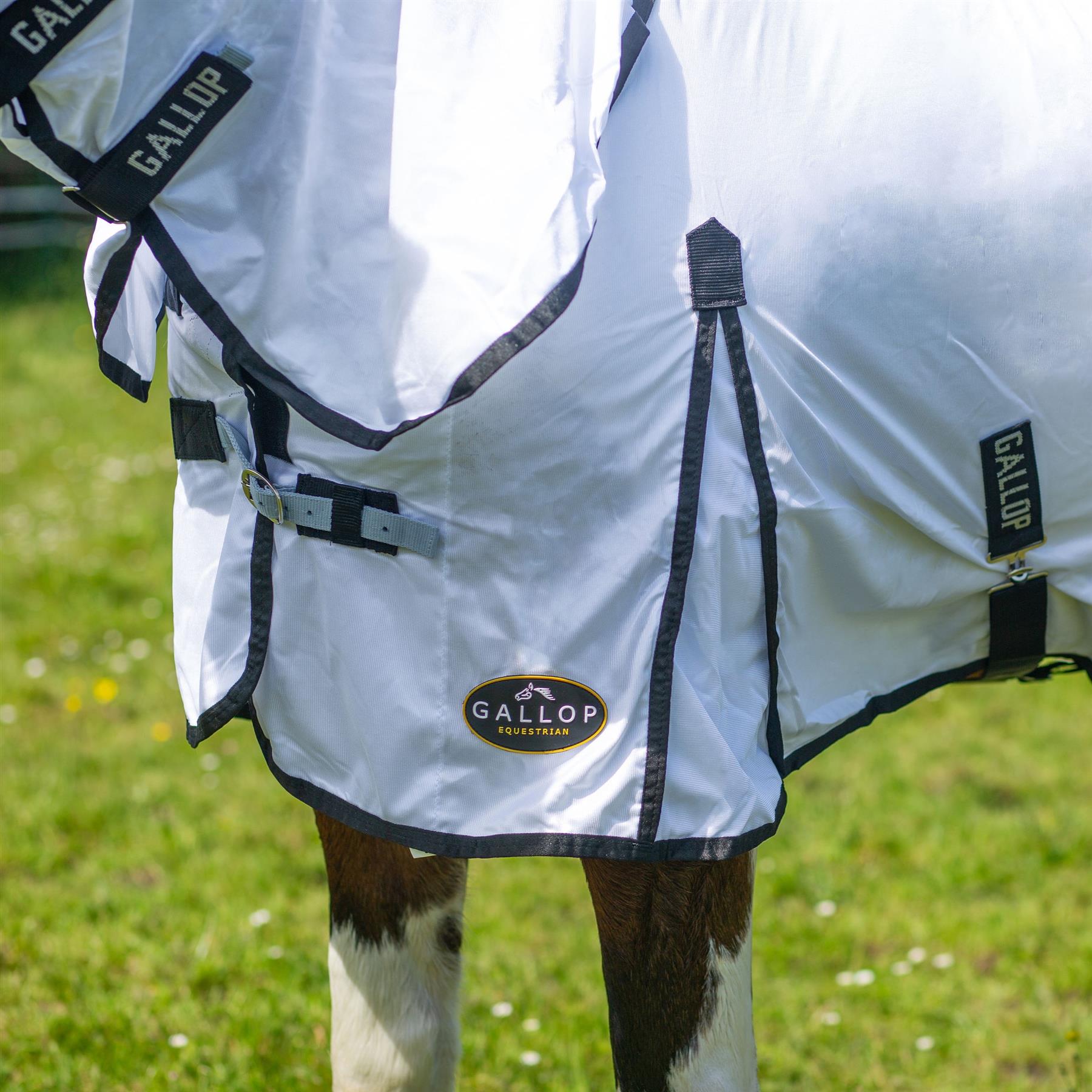
- Flies—Not Horsing Around: As flies love mingling socially, control them using sprays, sheets, and fly control products.
- Wound Awareness: Regular inspections for cuts or abrasions can save your horse from infection woes.
- Equipment Exclusivity: Avoid sharing equipment between horses to prevent cross-contamination.
Pigeon Fever's Ripple Effect on Communities
To date, there are no reported human cases of pigeon fever from horses. Whew! But the bacteria can stubbornly linger in the environment, posing risks to other animals. Equine health protocols must be teamed up with biosecurity to shield both horses and humans.
An outbreak can dent more than just a horse's health—it can shake the equine industry's foundations, affecting health, performance, and local economies. Early detection paired with swift veterinary care and diligent biosecurity measures is essential to preventing spread and managing further cases effectively.
Conclusion: Riding High on Health
Idaho's pigeon fever case highlights the importance of keeping our equine friends in tip-top shape. Recognizing the onset of the disease and taking preventative steps ensures their wellness and the flourishing of the broader equine sector. By upholding cleanliness, controlling fly populations, and prioritizing veterinary consultations, horse owners can navigate the winds of this health concern, galloping towards a healthier horizon.
For further insights, check out this [source](https://madbarn.ca/pigeon-fever-in-horses/) and the original case report [here](https://thehorse.com/1111538/pigeon-fever-case-confirmed-in-idaho/).