Understanding West Nile Virus in Equines: A Crucial Health Concern
In recent times, the disturbing news about a wild horse testing positive for West Nile Virus (WNV) in North Dakota has created a stir among equine health officials and horse owners. This incident, while isolated, sheds light on the susceptibility of equine populations to this mosquito-borne disease, highlighting the necessity for effective preventive measures and more extensive research into environmental factors influencing the virus's spread.
West Nile Virus: An Overview
West Nile Virus is a mosquito-transmitted infection primarily observed in wildlife and humans, but horses are particularly prone to falling victim to it. The virus, first identified in Africa, is now prevalent in North America, and its impact on equine health is significant due to the high mortality rate of 30-40% among infected horses. Typically transmitted through mosquito bites, the virus can result in debilitating symptoms in horses, ranging from flu-like signs to severe neurological issues.
Symptoms and Treatment
WNV, notorious for its lack of a specific cure, requires supportive care to alleviate symptoms and prevent complications. Horses diagnosed with WNV often exhibit a variety of clinical signs, which may include:
- Flu-like symptoms
- Muscle twitching
- Heightened sensitivity to sound and touch
- Mental changes such as lethargy and disorientation
- Ataxia, or loss of coordination
While supportive care is the only treatment currently available, it underscores the critical need for preventive measures to avoid infection, as prevention is indeed better than a cure in the case of WNV.
The Role of Vaccination
In the face of such daunting statistics and symptoms, vaccination has emerged as the most effective preventive strategy against WNV in horses. An annual booster is recommended for horses previously vaccinated, particularly in regions where the mosquito season is prolonged. Unvaccinated horses require an initial series of two shots spaced over several weeks to establish adequate immunity. This vaccination process is crucial to keeping our equine companions safer from WNV.
Environmental Factors in WNV Spread
The ecology of WNV transmission is complex, intricately linked with environmental factors such as temperature, precipitation, and mosquito population density. Interestingly, studies have shown that proximity to water bodies is not consistently a significant risk factor, though stagnant water is noted to be a breeding ground for mosquitoes. Climate changes and geographical variations play a crucial part in how WNV might bode in a particular area, aiding in formulating predictive models for better management strategies.
This particular case of infection in the wild horse exhibited the virus's lethal potential, further reinforcing the importance of understanding the environmental matrices that favor its spread.
Mitigating Mosquito Exposure
Besides vaccination, it is crucial to reduce mosquito exposure to protect horses from potential WNV infections. Some effective mosquito management strategies include:
- Eliminating stagnant water sources
- Regularly cleaning water troughs
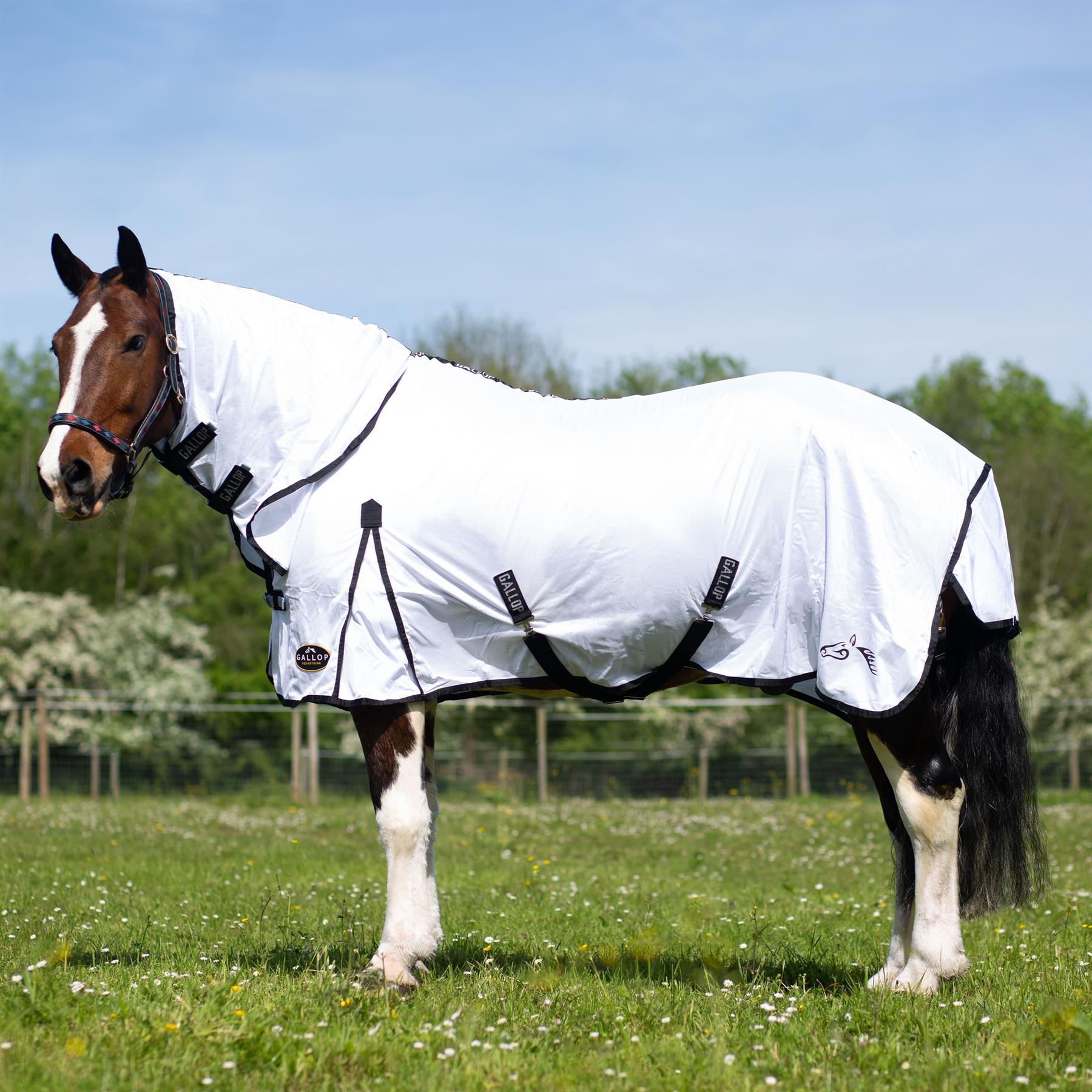
- Keeping horses indoors during peak mosquito activity times (dusk and dawn)
- Using approved mosquito repellents
These measures help significantly reduce the chances of a mosquito bite, the primary mode of WNV transmission to horses.
Future Research and Conclusion
The recent incident in North Dakota highlights the interconnectedness of wildlife, environment, and equine health, underlining the necessity of an integrated approach toward managing WNV risks. Future research into enhancing vaccination strategies, understanding environmental impacts, and developing predictive models is pivotal. Such studies could contribute significantly towards better protection of both wild and domestic equine populations.
This extraordinary insight into the West Nile Virus in equines serves as a basis for continued vigilance and proactive behavior in health management amid wildlife settings, emphasizing the collective need for coordinated disease monitoring and prevention strategies.
For more information, reference is made to the article "Wild Horse Tests Positive for WNV in North Dakota" by The Horse and the recent studies as mentioned in PMC article.