Understanding West Nile Virus in Equines
West Nile Virus (WNV) has raised alarms in the equine world once again. A case in Warren County, New York, where a 12-year-old Quarter Horse tested positive, underscores its persistent threat. This mosquito-borne disease, transmitted to horses through infected mosquito bites, presents a variety of clinical signs. Although not all horses display symptoms, those that do can suffer significantly.
Clinical Signs and Symptoms
Horses with WNV may exhibit neurological symptoms such as toe dragging, stumbling, and coordination issues. Other signs include involuntary twitching, hypersensitivity to touch and sound, changes in behavior, and ataxia. It’s not the kind of flu you brush off easily!
The Role of Vaccination
One of the primary defenses against WNV is vaccination. Horses previously vaccinated require annual booster shots, though in regions with long mosquito seasons, semi-annual boosters may be advisable. For unvaccinated equines, a two-shot regimen over three to six weeks is necessary. Implementing this well before mosquito activity peaks is crucial to ensure adequate protection.
Strategies for Prevention
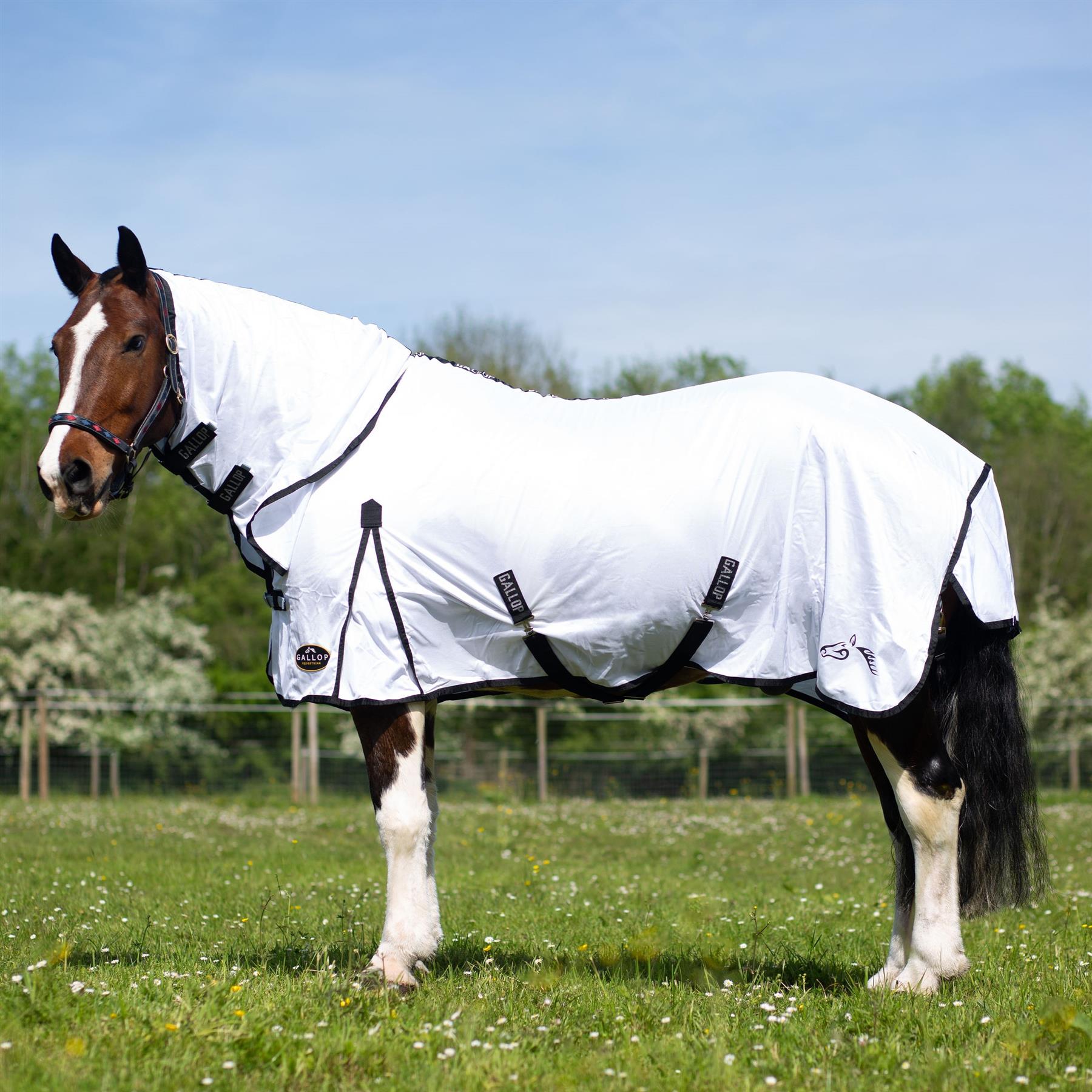
Beyond vaccination, adopting measures such as enhanced mosquito control is essential. Eliminating stagnant water sources, using equine-safe repellents, and keeping horses indoors during peak mosquito times (early morning and evening) are effective strategies. These actions can significantly reduce the risk of exposure to WNV.
Supportive Care for WNV-affected Horses
Although no cure exists, supportive care can bolster recovery. This can range from managing symptoms, ensuring proper nutrition, to creating a comfortable environment. Given that the mortality rate stands at an alarming 30-40% for equines afflicted with WNV, early care and intervention are vital.
Impact of Climate Change on Mosquito-borne Diseases
As climates evolve, so do the challenges linked to mosquito-borne diseases. Warmer temperatures can extend and enhance mosquito breeding periods, potentially increasing the incidences of diseases like WNV. Understanding these shifts can aid in enhancing preventive plans and ensuring equine safety.
Conclusion: Staying Ahead of WNV
With the looming threat of WNV, a combined approach emphasizing vaccination, mosquito control, and effective supportive care remains indispensable for horse owners. As environmental conditions change, the importance of staying informed and adapting preventive measures becomes ever more critical. The health and well-being of our equine friends depend on these collective efforts.
For further details and updates on this topic, refer to The Horse website.