Understanding Equine Infectious Anemia and Its Impact on Texas Horses
Equine Infectious Anemia (EIA) has recently gained spotlight due to a series of outbreaks in Texas. This viral disease, dangerous yet not unfamiliar to the equine community, has posed challenges that demand urgent attention. Let us explore the specifics of these outbreaks, detail the control measures in place, and consider strategies for prevention and management.
What is EIA and How Does it Spread?
EIA is a viral infection that targets the immune system of horses, mules, and donkeys. Once infected, animals remain carriers for life. The disease is often spread through blood-to-blood contact, facilitated by pesky blood-feeding insects such as horseflies and deerflies. Occasionally, contaminated needles and syringes can also be culprits, proving that both horses and horse handlers need to stay vigilant.
Recent Outbreaks and Their Geographical Scope
Recently, Texas experienced a significant upsurge in EIA cases, spanning multiple counties. Initially, cases erupted in El Paso, Ellis, and Hunt Counties. The more current outbreak expanded further, affecting 22 horses across various regions including Wise, Collin, Dallas, Bastrop, Gonzales, Harris, Bexar, and Randall Counties. Sadly, all infected horses were euthanized to prevent further spread of the disease.
Management and Quarantine Protocols
The Texas Animal Health Commission (TAHC) plays a pivotal role in managing these outbreaks through stringent quarantine measures. Once EIA is detected on a property, the area is placed under quarantine, where horses must remain for at least 60 days post-removal of infected individuals. The Coggins test, a diagnostic tool named after its developer, is utilized efficiently to monitor and certify horses as EIA-free for interstate travel.
Clinical Signs and Real-World Implications
For those new to EIA, infected equines may exhibit a slew of symptoms including fever, depression, muscle weakness, anemia, and staggering weight loss. With no vaccine or cure available, prevention and early detection become paramount. This reality underscores the importance of vigilance within the equine industry.
Key Strategies for Prevention
Human ingenuity and precautionary steps can minimize EIA's impact. These strategies encompass:
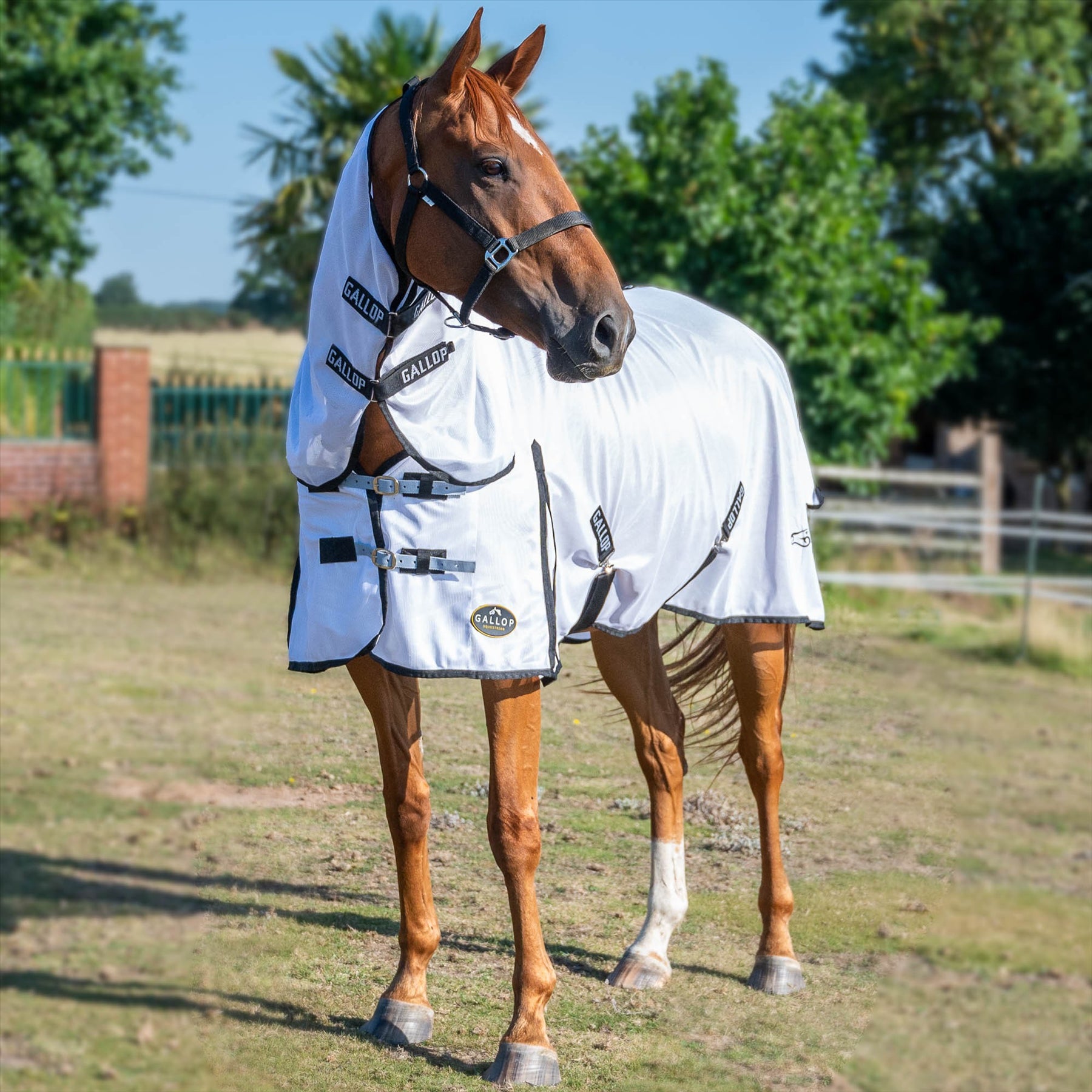
- Insect Control: Mitigating the presence of blood-sucking insects around equine premises.
- Hygiene Practices: Ensuring that medical tools like syringes are single-use or properly sterilized to prevent disease transmission.
- Routine Testing: Annual Coggins tests should be conducted to keep tabs on potential carriers.
- Isolation Procedures: Quarantining infected animals away from healthy ones can stop transmission dead in its tracks.
The Road Ahead
The recent outbreaks in Texas exemplify the ongoing challenge that is EIA control. The equine industry, along with governmental and non-governmental bodies, must prioritize awareness and implement informed strategies for disease management. While humor might find a place in the conversation — such as hoping blood-feeding insects could take extended vacations — the truth remains that there’s still a lot of work ahead to ensure the health and safety of our beloved equine companions.
For further readings and references, visit the The Horse website.
References: https://thehorse.com/1129176/3-eia-cases-confirmed-in-texas/